
Overview
Most Asian currencies held relatively tight ranges on Friday while the U.S. dollar lingered near levels not seen in over a year. Investors continued to digest a Federal Reserve policy reassessment this week that suggested interest rates could rise later in the year, a signal that has bolstered the greenback and kept pressure on regional units.
Dollar momentum and Fed outlook
The U.S. Dollar Index edged about 0.1% higher during Asian hours, following a 0.8% leap in the previous session that pushed the measure to its strongest point since mid-May 2025. Fed commentary this week indicated policymakers see a more restrictive path for U.S. monetary policy, and markets now assign a high probability to at least one rate increase by December. That shift has supported U.S. Treasury yields and, in turn, underpinned the dollar's advance.
Yen remains weak; Japan CPI under the microscope
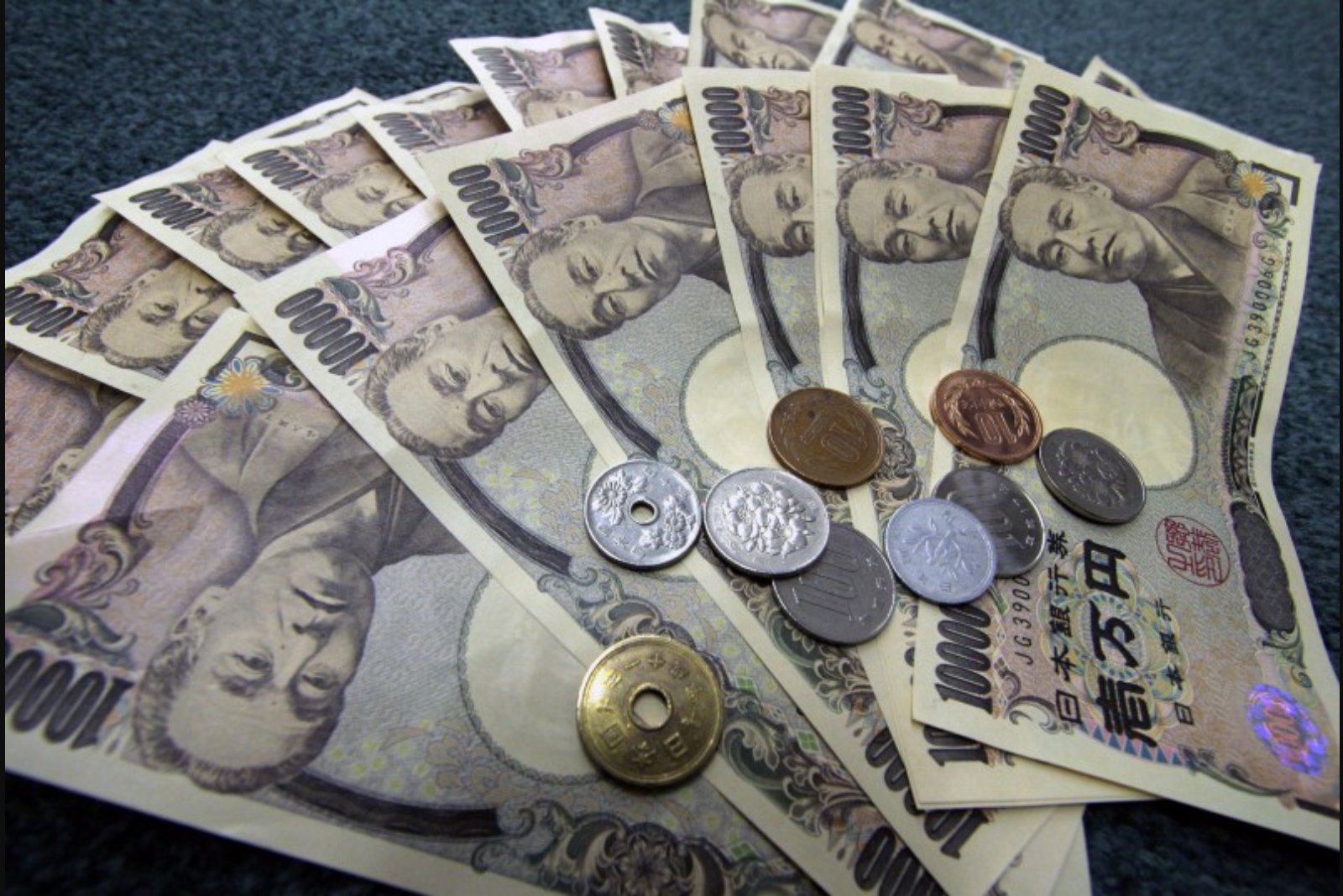
The Japanese yen remained under pressure, with USD/JPY quoted around 161.39 after spiking to multi-decade lows of 161.82 in the prior session. Market participants attributed the yen's weakness to widening yield differentials between the U.S. and Japan that favor the dollar despite recent tightening moves from the Bank of Japan. Observers continued to watch for potential official action from Tokyo.
Japanese government data released on Friday showed core consumer prices rose 1.4% year-on-year in May, matching market expectations and remaining below the Bank of Japan's 2% inflation target for a fourth consecutive month. Analysts noted that fuel subsidies had moderated headline inflation, while underlying price pressures and the BOJ's recent rate increase left open the possibility of further tightening later in the year.
Middle East talks stall, geopolitical uncertainty persists
Investor focus also stayed trained on the Middle East after reports that U.S. Vice President J.D. Vance suspended planned Geneva discussions tied to the U.S.-Iran peace process. The suspension raised doubts about the durability of a recently announced interim agreement. While that accord had eased some concern about disruptions to oil shipments through the Strait of Hormuz, traders remained cautious amid lingering geopolitical uncertainty.
Reports indicated Iranian negotiators sought evidence the U.S. was implementing the interim agreement before resuming further talks, adding an element of uncertainty to the diplomatic process.
Regional currency moves
Most Asian currencies were set for weekly declines as the dollar's gains lingered. Specific moves included:
- South Korea - USD/KRW rose about 0.1%, leaving the pair close to a 10-day low.
- China - Offshore USD/CNH increased roughly 0.3% while mainland Chinese and Hong Kong markets were closed for a holiday.
- India - USD/INR traded largely flat.
- Singapore - USD/SGD ticked up approximately 0.3%.
- Australia - AUD/USD eased about 0.2%.
Implications
The stronger dollar and the Fed's more hawkish tone are influencing regional currency trajectories and fixed income markets via higher U.S. Treasury yields. Japan's inflation data, the BOJ's recent rate move and the potential for official intervention in currency markets remain focal points for traders. Meanwhile, the suspension of U.S.-Iran talks keeps a geopolitical risk premium in place that could influence energy markets and shipping routes if the diplomatic process does not proceed.
Markets will likely continue to monitor central bank signals, Japanese inflation updates and diplomatic developments in the Middle East for direction on currency and bond moves.