
Asian currencies broadly weakened on Monday as market participants grew more cautious following diplomatic setbacks in efforts to de-escalate tensions between Washington and Tehran. The dollar index inched higher after last week’s stronger-than-expected U.S. payrolls report, which reduced expectations for near-term Federal Reserve rate cuts.
Sentiment soured when U.S. President Donald Trump called Iran’s response to a U.S. peace proposal "totally unacceptable." That comment undercut hopes for an imminent easing of hostilities in the Gulf region and heightened concern about the potential for a prolonged security shock.
Oil prices reacted sharply, rising by more than 4% as traders priced in the risk of extended disruptions around the Strait of Hormuz, a key maritime corridor that handles around a fifth of global oil shipments. The prospect of sustained interruptions to flows through that choke point amplified risk aversion across financial markets.
Reports of Iran’s counterproposal said it sought sanctions relief, recognition of limited nuclear activity and the removal of U.S. naval forces from the waters around Hormuz, while Washington had focused on a ceasefire and constraints on Tehran’s uranium enrichment program. The apparent gap between the two sides helped prompt the market pullback.
Currency moves were pronounced across the region. The South Korean won was among the weakest, with USD/KRW climbing 0.9%. The Indian rupee weakened against the dollar, lifting USD/INR about 0.4%. Singapore’s currency also lost ground, with USD/SGD up roughly 0.3%, and Australia’s dollar retreated as AUD/USD fell about 0.3%.
Japan’s yen slipped against the dollar with USD/JPY rising about 0.3%, though market participants noted that losses were limited by expectations of official support after what were viewed as intervention actions last week when the yen hit a near two-year low. Analysts observed that Tokyo appeared likely to remain vigilant on currency moves following abrupt rallies earlier in the month that had sparked speculation of state intervention estimated at around $35 billion.
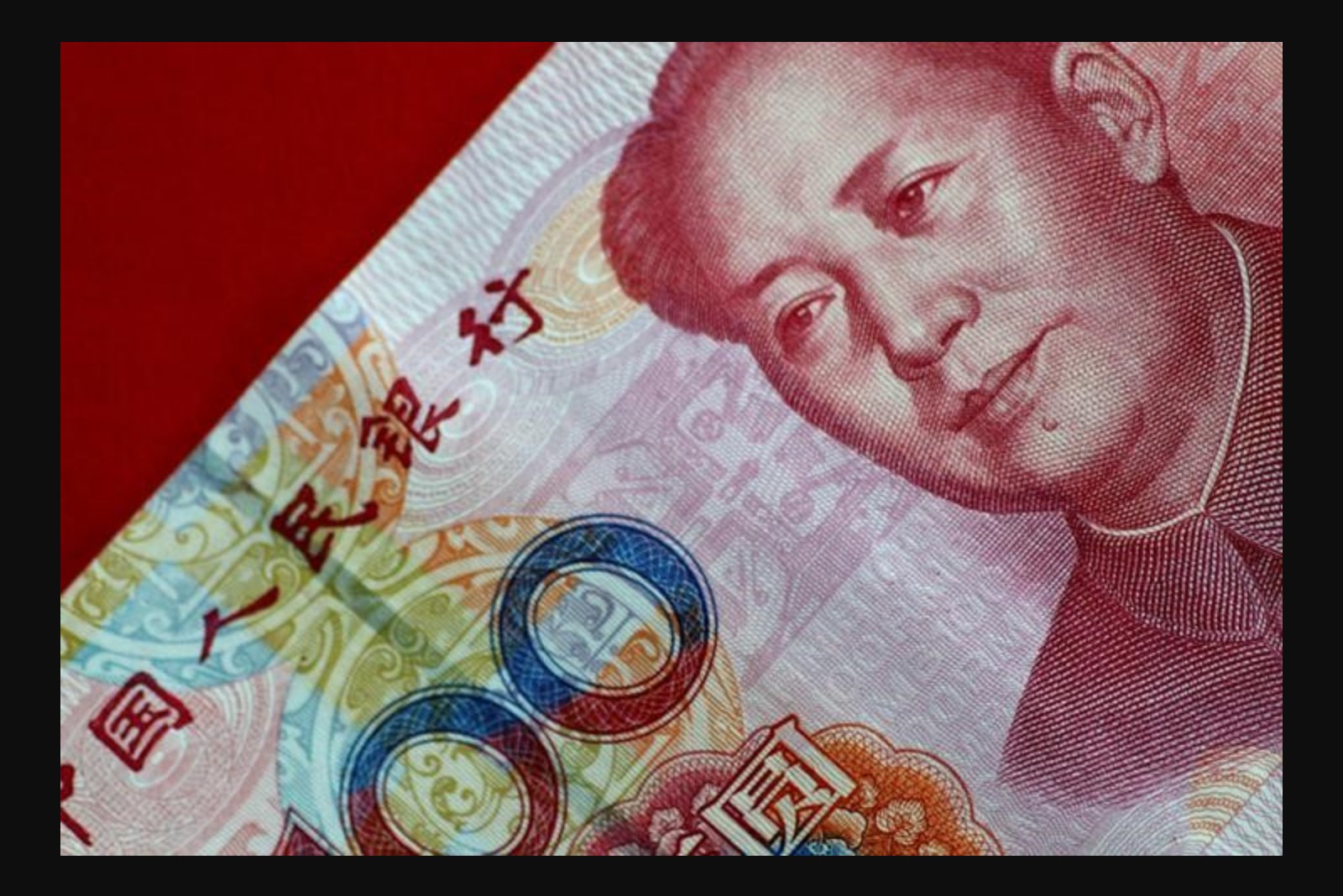
Against this backdrop, China’s yuan found some stability. The onshore USD/CNY pair edged up 0.1%, holding relatively steady after Beijing released inflation figures that surprised to the upside. China’s consumer price index rose 1.2% year-on-year in April, up from 1.0% the prior month and above consensus forecasts. Producer prices climbed 2.8% year-on-year - the fastest increase in 45 months and considerably higher than expectations of about 1.7%.
"The impact of higher energy prices stemming from the Iran war was clear in the data," ING analysts wrote in a note.
Market attention also turned to high-level diplomacy later in the week, as officials confirmed that U.S. President Trump is scheduled to visit Beijing and meet with Chinese President Xi Jinping. The upcoming meeting is expected to touch on trade, Taiwan, and the Iran crisis, providing a focal point for investors weighing the geopolitical outlook.
Overall, the combination of geopolitical friction, a firmer dollar on stronger U.S. payrolls data, and China’s surprising inflation readings produced a cautious tone across Asian FX markets, with energy and shipping-related exposures particularly sensitive to the prospect of extended Gulf disruptions.