
The U.S. Department of Energy is considering a financing program that would make billions of dollars available to utilities so they can secure critical components for large nuclear reactors that often require years to obtain, the head of the Nuclear Energy Institute said on Tuesday.
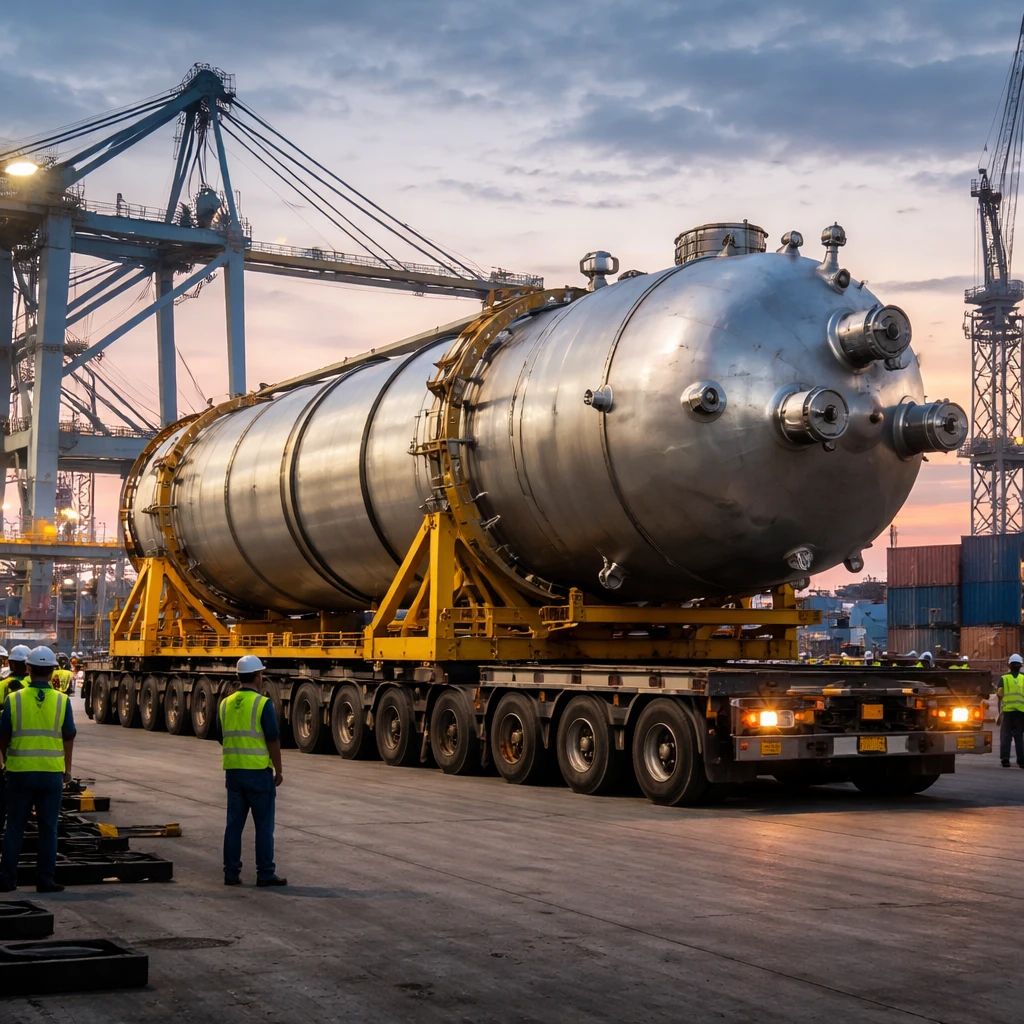
Key items cited include reactor vessels and steam generators, components with long lead times that can slow the construction of AP1000 plants. The proposed financing is intended to reduce the time needed to complete those large reactors.
"It’s going to help several U.S. utility companies that are interested in AP1000 deployment," Maria Korsnick, president and CEO of NEI, said at her organization’s conference in Washington while describing the possible financing plan.
The DOE, which does not typically discuss pending loan applications, did not immediately respond to a request for comment.
The department’s Office of Energy Dominance Financing holds hundreds of billions of dollars in financing resources, including loan guarantees for projects that have difficulty obtaining bank loans. During President Donald Trump’s first term, that office - then known as the Loan Programs Office - was used only for financing reactors at the Vogtle nuclear power plant in Georgia.
President Donald Trump has set a target of quadrupling U.S. nuclear power capacity to 400 gigawatts by 2050, an ambitious goal given the recent track record: the last reactors built in the U.S. were about seven years delayed and billions of dollars over budget. U.S. Energy Secretary Chris Wright has said the main use of the Office of Energy Dominance Financing will be for nuclear power plants.
Industry executives have signaled interest in the DOE financing. Grant Isaac, president and chief operating officer of Cameco, identified as one of the Canadian owners of Westinghouse - the designer and developer of AP1000 reactors - said on an earnings call last week that five or six utilities are in "very advanced stages" of seeking financing from the DOE’s loan office.
Isaac said the utilities are "interested in advancing project delivery by considering things like ordering the long lead items ahead of time." That approach reflects an effort by potential developers to reduce schedule risk by bringing forward procurement of parts that historically take long to manufacture or deliver.
Context and implications
If pursued, the financing would aim to address a bottleneck that affects construction timelines for new large reactors. By lowering the financial barrier to ordering long lead items, utilities could potentially compress schedules for AP1000 projects, though the DOE’s decision and the specific terms of any financing remain unresolved.