
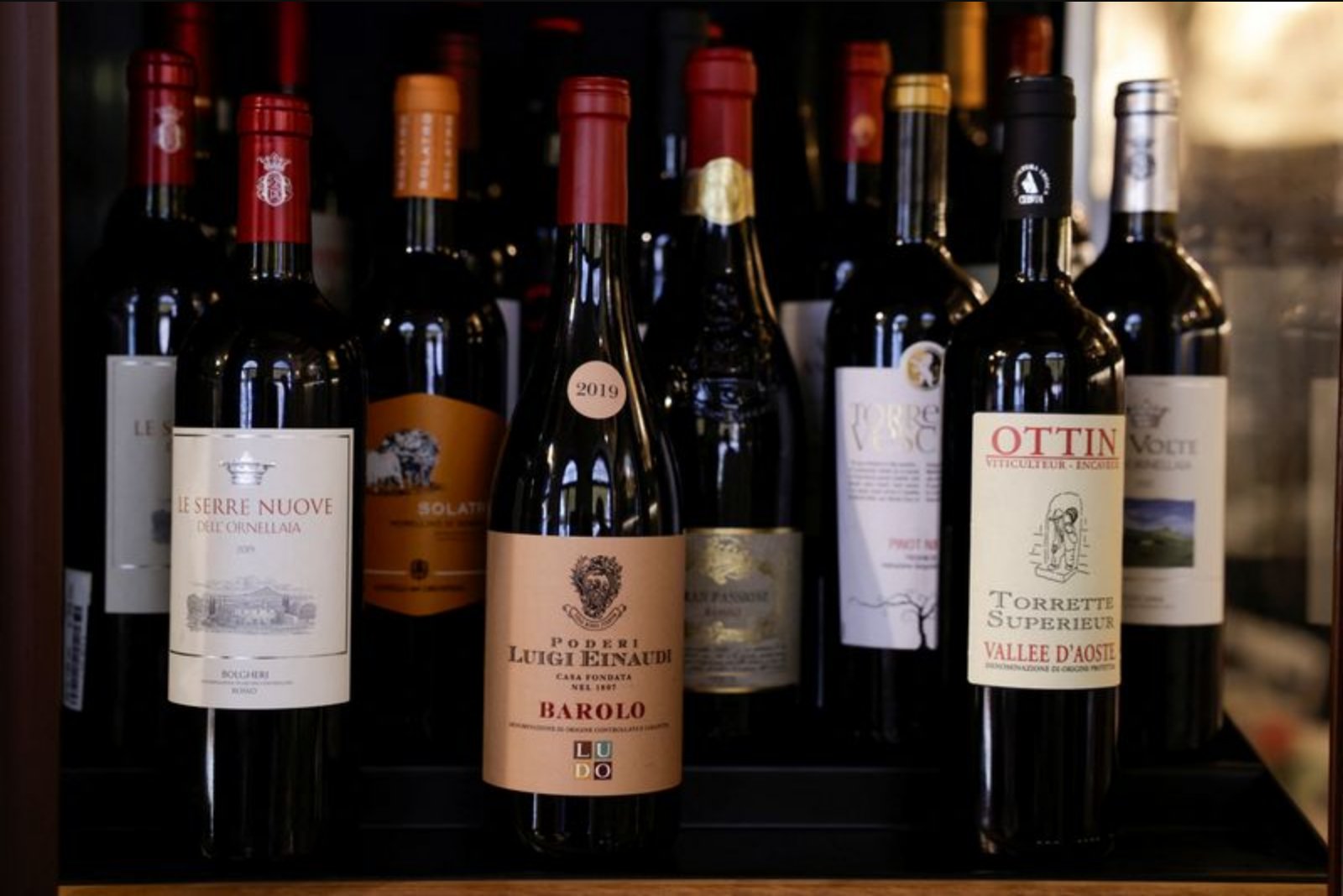
Global wine trade weakened in 2025, with exports and consumption both retreating as a mix of policy, market and climatic pressures constrained the sector, according to the International Organisation of Vine and Wine (OIV).
Volume exports dropped 4.7% in 2025 to 94.8 million hectolitres, the lowest level recorded since 2009. In value terms, exports fell 6.7% to 33.8 billion euros ($39.67 billion). At the same time, global consumption slipped 2.7% to 208 million hectolitres, the OIV said, marking the lowest consumption level since 1957.
Tariff policy in the United States played a material role in the trade decline. Tariffs imposed by the United States, the world’s largest wine market, by President Donald Trump since last year have compounded difficulties for a sector already coping with a harsher climate and diminished demand.
OIV Director General John Barker summarized the situation with a view to both immediate and structural influences: "What we can see in the 2025 data is a sector that’s reacting to real-time impacts of U.S. tariff policies, but also adapting to some longer-term changes in terms of climate and consumption," he said.
The OIV noted that the falls in exports and consumption follow similar weakness observed in 2024, when exports and consumption recorded their lowest levels since 2010 and 1961 respectively. These trends underline both cyclical and structural stresses on the industry.
Looking ahead, the OIV said it did not yet have clear indications of the possible impact of the Iran war on the wine sector, but that it would expect some effect because of consequences for consumer sentiment and shipping, Barker added.
Producers and trade bodies are responding through a range of measures. The sector is increasing emphasis on wine tourism and sustainability initiatives while accelerating development of lower-alcohol products. The OIV is also in discussions about creating a customs code for low-alcohol and alcohol-free wine to improve trade tracking for a category that currently represents roughly 1 to 2% of global production.
On the production side, global wine output in 2025 reached 227 million hectolitres, below the OIV’s earlier November estimate of 232 million hectolitres and only 0.6% above the 2024 level, which itself was the lowest since 1961. The agency pointed to widespread weather-related losses as a key contributor to suppressed output, alongside deliberate uprooting of vines in markets such as France in response to weakening demand.
Exchange rate information provided with the data showed $1 = 0.8519 euro.
Bottom line: The 2025 figures present a wine sector navigating simultaneous headwinds from trade policy, lower consumption and climate-related impacts while seeking revenue and product diversification through tourism, sustainability and low-alcohol options.