
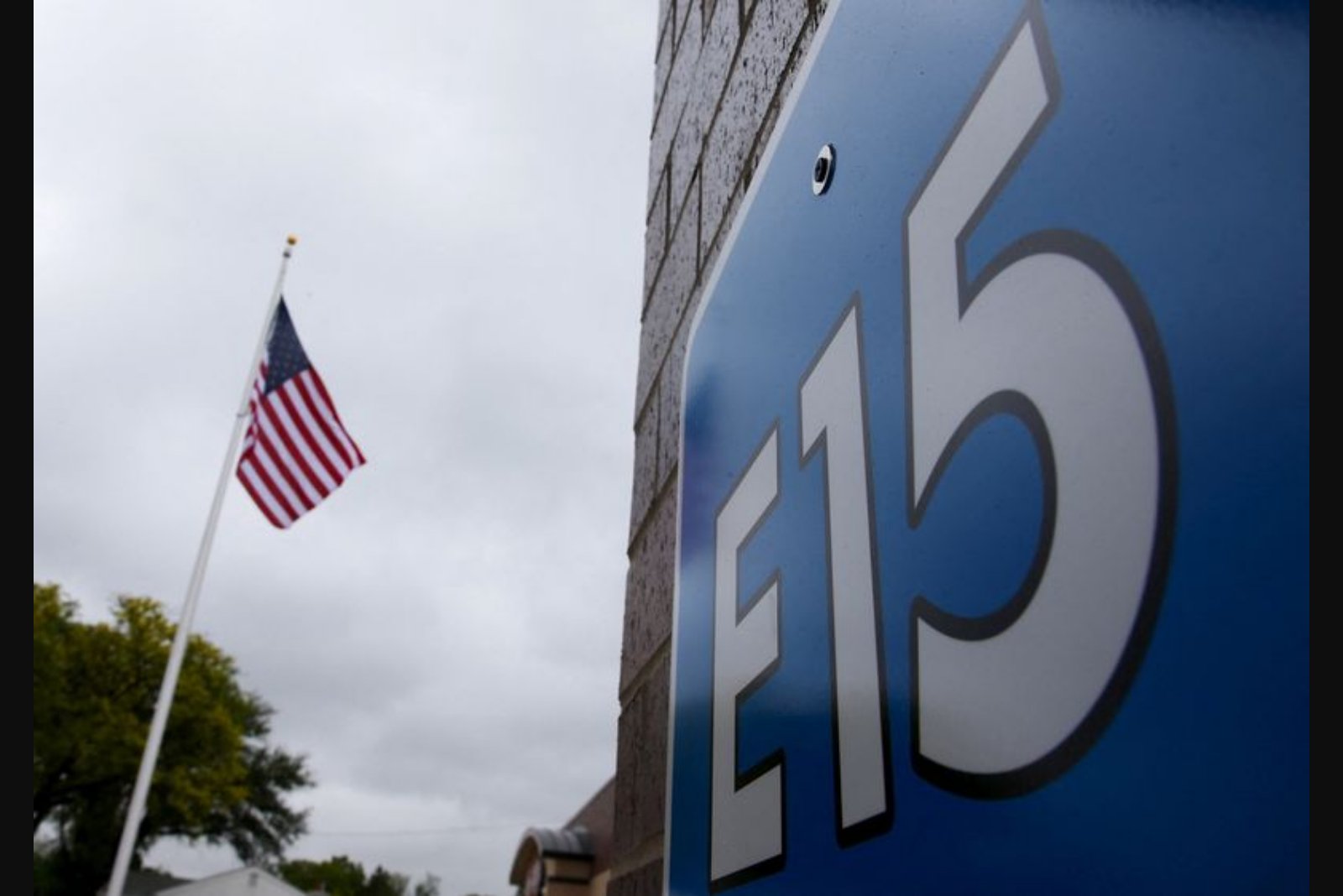
The U.S. House advanced legislation on Wednesday that would permit the nationwide, year-round sale of gasoline containing 15% ethanol, a move officials say would broaden biofuel demand while prompting concern among refiners and fiscal hawks.
The bill, H.R. 1346 - the Nationwide Consumer and Fuel Retailer Choice Act - passed by a vote of 218 to 203. If enacted, the measure would remove existing seasonal restrictions tied to smog-reduction rules and allow fuel retailers to offer E15 at any time of year.
The proposal is not law yet. It must clear the Senate, where enactment would require the support of 60% of senators, and obtain the signature of President Donald Trump before becoming effective.
Supporters argue that allowing E15 sales year-round would expand demand for biofuels and could help alleviate recent spikes in gasoline prices. Those price increases have been tied in the article to disruptions in oil flows, highlighted by the closure of the Strait of Hormuz - a waterway described as a conduit for a fifth of global oil and liquefied natural gas supplies - which the article says has amplified political vulnerability for President Donald Trump and his Republican party ahead of the November midterm elections.
Opponents have raised several objections. Refiners warn the change could increase their compliance costs under existing federal biofuel mandates. Some lawmakers also expressed fiscal concerns: Representative James McGovern of Massachusetts said the measure will add billions to U.S. debt.
The Congressional Budget Office provided a fiscal estimate tied to an assumed effective date of August 2026. The CBO found the bill would raise direct spending by $2.7 billion and increase revenues by $0.4 billion, producing a net increase in the deficit of roughly $2.3 billion over the 2026 to 2036 period.
Summary
The House approved H.R. 1346 to allow year-round sales of E15, voting 218-203. The bill would remove seasonal smog-related restrictions, but it requires Senate approval by a 60% threshold and the president's signature. Supporters view the change as supportive of biofuel demand and potentially helpful to consumers facing higher pump prices. Critics cite higher compliance costs for refiners and possible added federal deficits; the CBO estimates a roughly $2.3 billion net deficit increase from 2026 through 2036 under an August 2026 assumption.
Key points
- House passage: H.R. 1346 passed the House 218-203, aiming to allow nationwide year-round E15 sales.
- Procedural hurdles: The bill still needs 60% Senate support and the president's signature to become law.
- Economic and market effects: Backers say expanded E15 availability could boost biofuel demand and help ease recent fuel price spikes; refiners warn of higher compliance costs.
Risks and uncertainties
- Regulatory and legislative uncertainty - The bill faces an uncertain path in the Senate where a supermajority is needed.
- Fiscal impact - The CBO estimates the measure would raise the federal deficit by about $2.3 billion between 2026 and 2036 under its timing assumption.
- Refining sector cost risk - Refiners could face increased compliance expenses under federal biofuel mandates if the bill becomes law.