
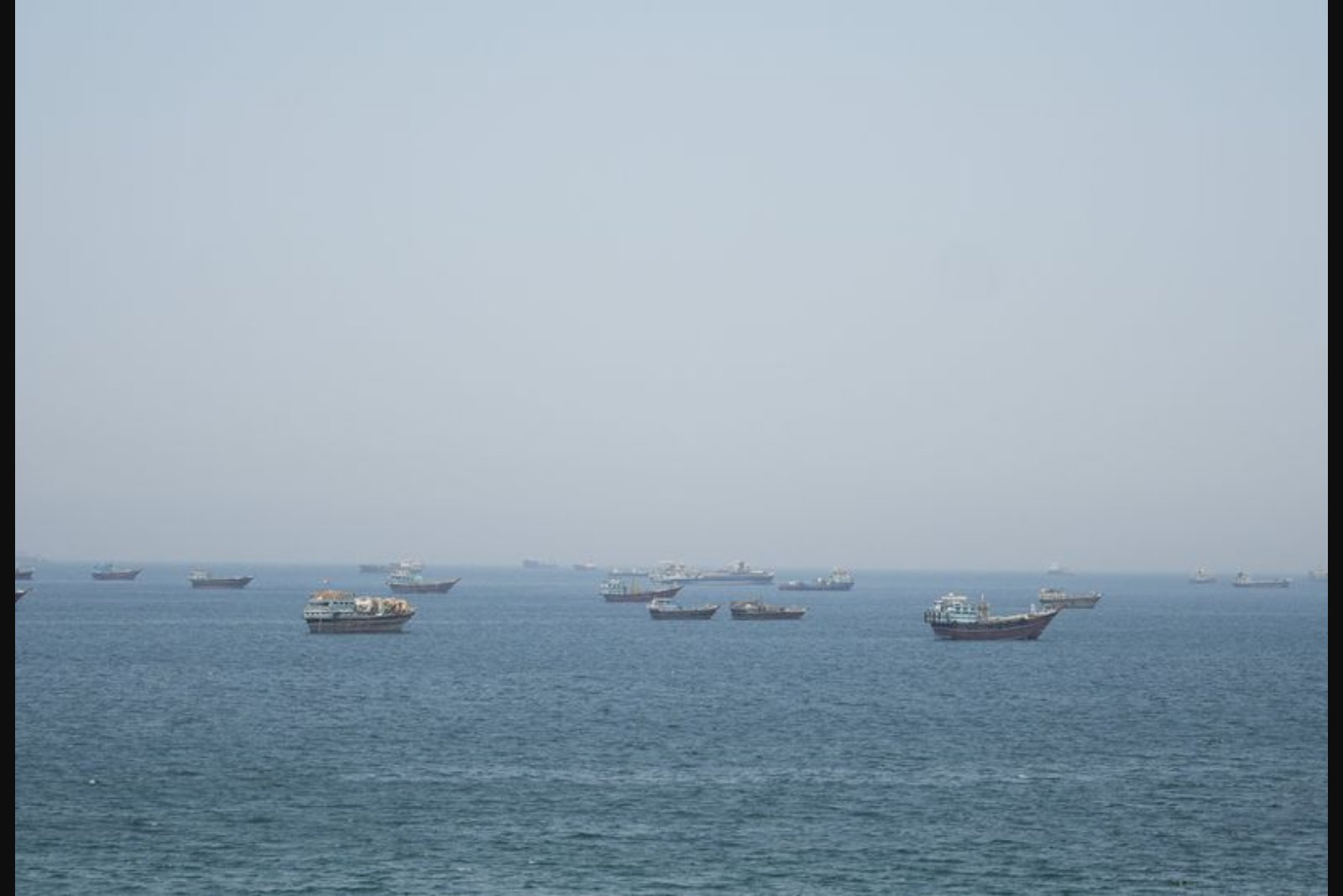
On May 12 the U.S. Department of Energy’s statistical office said it is assuming that the Strait of Hormuz will remain effectively closed through late May, with a phased resumption of traffic beginning next month. The agency adjusted its short-term outlook for U.S. motor fuel prices accordingly.
The Energy Information Administration said the disruption tied to Iran’s actions in its ongoing war with the U.S. and Israel has significantly disrupted global energy flows, leaving millions of barrels per day of Middle Eastern exports stranded. The stoppage has driven retail fuel costs in the United States to multi-year highs, the agency noted, creating a political issue for President Donald Trump ahead of midterm elections in November.
In its monthly short-term energy outlook, the EIA raised its forecast for average U.S. retail gasoline prices to $3.88 a gallon for the year, roughly 18 cents higher than its April projection. That revision is predicated on the assumption that the Strait of Hormuz will be effectively closed through late May, with traffic restarting gradually the following month.
The EIA underscored the scale of the supply interruption. Prior to the conflict, shipments transiting the Strait of Hormuz accounted for about one fifth of global oil supplies. The agency said it does not expect traffic to reach pre-conflict levels until later in the year.
Collectively in April, crude oil output totaling 10.5 million barrels per day was shut in across Iraq, Saudi Arabia, Kuwait, the United Arab Emirates, Qatar, and Bahrain, according to the EIA.
Looking at inventories, the EIA projected that global oil stocks will fall by an average of 8.5 million barrels per day during the ongoing second quarter. That drawdown is expected to keep Brent crude prices near $106 a barrel during May and June.
The agency tied its price and inventory forecasts directly to the current disruptions in the Strait of Hormuz and the substantial shut-ins across major regional producers. The EIA’s outlook frames the near-term evolution of fuel prices and global stock levels around the pace at which shipping through the strait is restored.
Given the assumptions in the short-term energy outlook, the EIA’s revisions reflect tighter market balances in the near term and point to continued price pressure on motor fuels until maritime flows normalize.