
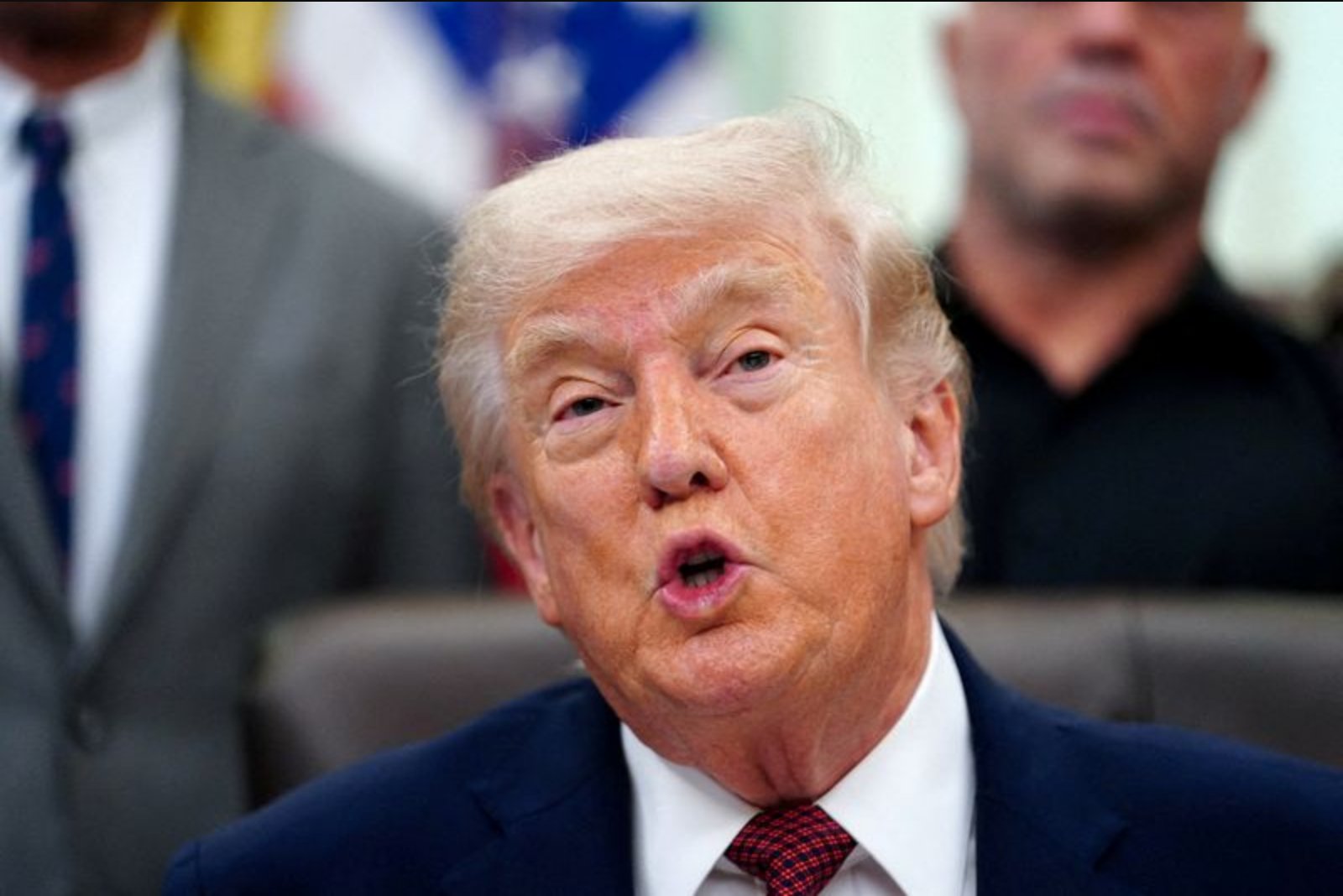
Two out of three Americans say President Donald Trump has not provided a clear explanation of why the United States is engaged militarily in Iran, according to a Reuters/Ipsos poll completed on Monday. The four-day online survey, conducted nationwide, also captured mounting public concern about soaring gasoline prices and showed a small recovery in the president’s approval rating from a recent low.
More than two months after the conflict began on February 28 with a U.S.-Israeli bombing campaign, roughly 66% of respondents - including about one in three Republicans and almost all Democrats - indicated that Trump has not "clearly explained the goals of U.S. military involvement in Iran." The finding underscores widespread uncertainty among the public about the stated objectives of U.S. actions in the region.
The poll further found that 63% of Americans say their household’s personal financial situation has deteriorated as a result of recent increases in gasoline prices. That figure represents a jump from 55% recorded in a Reuters/Ipsos poll conducted March 17-19, highlighting a trend of growing economic pressure on households linked to fuel costs.
On overall job performance, 36% of those surveyed approved of Trump’s handling of the presidency. That is a two percentage point increase from a late-April Reuters/Ipsos poll, which showed a 34% approval rating and was described as the lowest level of his current term. The new reading signals a modest uptick but remains below majority approval.
Respondents expressed broader political implications as well. The poll suggested many voters are attributing blame for economic strain - particularly from gasoline price spikes - to Republican allies of the president, a factor that could influence those lawmakers as they prepare to defend their congressional majorities in the November midterm elections.
Methodology details included with the poll note a sample of 1,254 U.S. adults surveyed online and a reported margin of error of 3 percentage points in either direction based on the number of people surveyed.
The results combine public opinion on foreign policy clarity, household financial impact from energy costs, and shifting approval metrics, offering a snapshot of voter sentiment as midterm campaigns approach.