
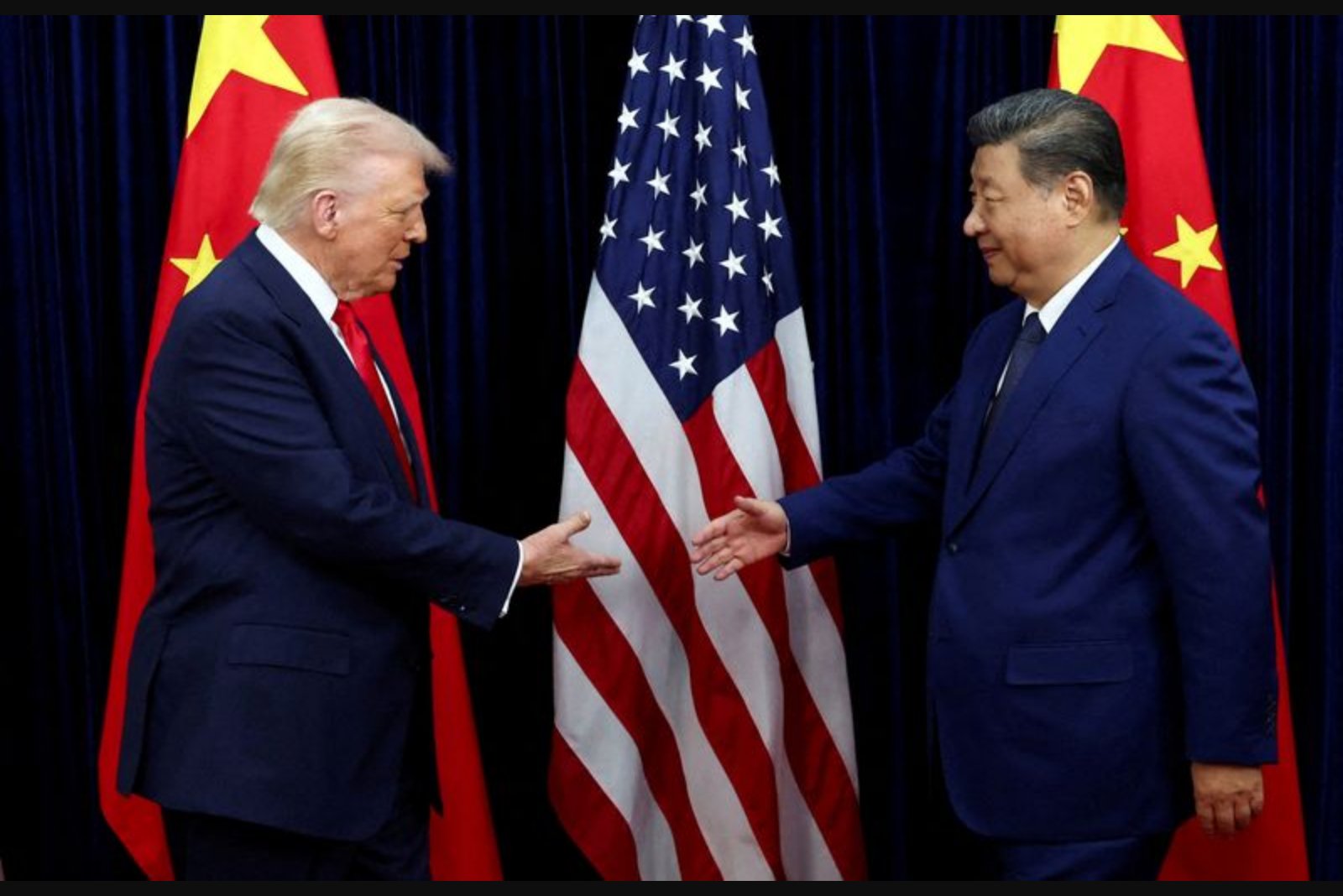
U.S. President Donald Trump is due in Beijing for a two-day visit that officials say will center on a cluster of strategic and economic issues stretching from Iran and Taiwan to artificial intelligence and nuclear arms. The leaders of the United States and China will meet in person for the first time in more than six months as both sides seek to steady relations strained by trade tensions and regional conflicts.
Trump is scheduled to arrive in Beijing on Wednesday, with discussions planned for Thursday and Friday. It will be his first trip to China since 2017.
Agreements expected on trade, aviation and agriculture
U.S. officials briefing reporters in advance of the summit said the two governments are likely to outline mechanisms aimed at facilitating mutual commerce and investment. Among measures anticipated at the meeting are plans to establish a Board of Trade and a Board of Investment. Officials cautioned that while those entities may be announced, they could require follow-on work before becoming operational.
China is also expected to disclose purchases connected to Boeing aircraft as well as agreements involving American agricultural products and energy. Those procurement announcements are being viewed as part of a broader effort to re-open more predictable lines of commercial engagement between the two economies.
In addition, the United States and China will discuss extending a truce in their trade dispute that currently allows rare earth minerals to continue flowing from China to the United States. That agreement was reached last autumn and is still in effect. It remains unclear whether leaders will finalize an extension during this visit; however, U.S. officials expressed confidence that an extension will be announced at a suitable time, noting that the arrangement has not yet expired.
Harder diplomatic terrain - Taiwan, Iran, nuclear arms and AI
Beyond trade and purchases, officials said the talks are expected to tackle more contentious issues that have long been sources of friction in the relationship.
One major area of focus will be Iran. China maintains diplomatic and commercial ties with Tehran and is an important buyer of Iranian oil. U.S. officials said the administration is pressing China to use its influence to encourage Iran to reach a settlement with Washington and bring an end to the conflict triggered by U.S. and Israeli strikes on Iran in late February. The U.S. team also plans to raise concerns about revenue flows to Iran and Russia, and the transfer of dual-use goods, components and possible weapons.
Taiwan figures prominently on the agenda as well. Chinese leaders view the democratically governed island as part of their territory, and Beijing has increased its military presence near Taiwan in recent years. The United States continues to be a key international supporter and arms supplier for Taiwan. U.S. officials signaled that American policy toward Taiwan will remain unchanged.
Artificial intelligence is another topic expected to surface in discussions. U.S. aides voiced growing concern over advanced AI models being developed in China and indicated the two governments may need to create a formal channel of communication to manage risks stemming from AI deployment. Officials said they want to use the leaders' meeting to open a conversation about whether a communication channel should be established, though the details of what such a channel would look like are yet to be determined.
Washington has also long sought dialogue with Beijing on nuclear weapons, but officials noted Chinese reluctance to engage on arms control. U.S. officials indicated that China's government has privately told their counterparts it is not interested in negotiating nuclear arms control or comparable agreements at this time.
Context from past interactions and trade policy
The two leaders last met in October in South Korea, where they agreed to pause an intense phase of their trade dispute that had included U.S. triple-digit tariffs on some Chinese goods and Chinese threats to restrict rare earth supplies. In February, the U.S. Supreme Court ruled that the president did not have the authority to impose many of his worldwide import tariffs. Trump has said he intends to re-impose certain levies using other legal means.
The upcoming summit will therefore include a mixture of near-term commercial agreements and longer-term strategic conversations, with officials portraying the meeting as an opportunity to both secure concrete purchases and to open lines of communication on issues that could otherwise exacerbate tensions.
What to watch during the visit
- Whether China formally announces purchases of Boeing aircraft and U.S. agricultural and energy goods during the visit.
- If the proposed Board of Trade and Board of Investment are announced and what follow-up steps are outlined for their implementation.
- Whether leaders agree to extend the rare earth minerals truce now in effect or defer a formal extension to a later date.
- How the parties address Iran, Taiwan, AI communication channels and the prospect of nuclear arms discussions.
Officials emphasize that while some agendas may yield immediate announcements, others could require extended negotiation and follow-up work. The mix of commercial and security topics underscores the breadth of issues the two leaders are expected to cover during the visit.