
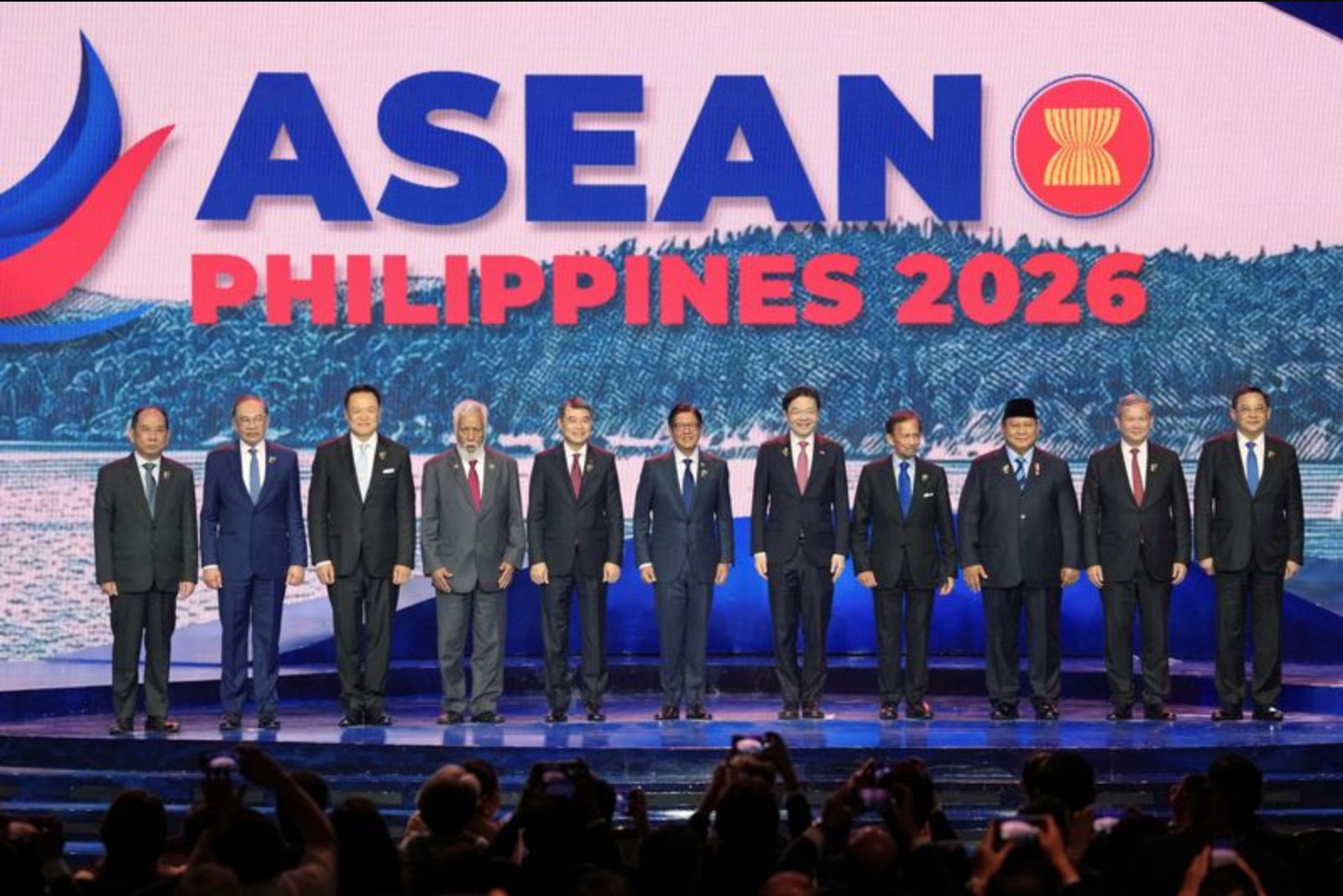
CEBU, Philippines, May 8 - Leaders of the Association of Southeast Asian Nations gathered on the Philippine island of Cebu to formulate a joint response to the knock-on effects of the Middle East conflict, with a particular emphasis on cushioning oil import-dependent economies from an energy shock.
At the opening of the summit, the Philippine president, acting as ASEAN chair, said ASEAN was standing together to demonstrate its capacity to respond with unity and resolve, but must remain agile.
"We must ensure regional energy security and resilience,"he added.
"At a time of heightened volatility, ASEAN must strengthen coordination and reinforce preparedness, pursue practical collective measures to safeguard a stable energy supply and improve interconnectivity."
Delegates at the summit have concentrated on measures meant to maintain both energy and food security, two areas seen as especially vulnerable to disruptions arising from the near 70-day blockade of the Strait of Hormuz. The waterway had carried roughly 130 vessels a day and prior to the conflict accounted for about a fifth of the world's oil and gas supplies.
Practical Measures, Limited Detail
ASEAN economic ministers met in Cebu the day before the leaders' retreat and, according to a chair statement, "identified practical, concrete response measures" aimed at ensuring energy and food security. The list of proposals, however, lacked operational detail. They included steps such as diversifying suppliers and routes and creating a crisis communication protocol, but the chair statement did not set out firm timelines or binding implementation mechanisms.
Among the initiatives being championed by the Philippines is the approval of a voluntary, commercial-based ASEAN oil-sharing framework agreement. The Philippines - one of the first countries in the world to declare an energy emergency - has pushed for quick adoption, and leaders are expected to call on member states to complete domestic procedures required to approve the fuel-sharing pact, ensuring its "earliest possible entry into force," according to a working draft of a leaders' statement seen during preparatory meetings.
Coordination Challenges Across Diverse Members
Despite strong growth across many individual economies in the bloc, ASEAN's integration has proceeded unevenly and coordination remains a central obstacle. The organisation spans 11 members with wide differences in economic structures, and it lacks a central authority with enforcement power to ensure compliance with collective agreements and initiatives. That institutional constraint complicates efforts to translate summit-level commitments into rapid, harmonised action on supply chains and energy sharing.
Leaders at the Cebu summit are expected to press for a negotiated settlement between the United States and Iran and to call for a reopening of the Strait of Hormuz to maritime traffic. The proposed diplomatic push forms part of an effort to lower the immediate geopolitical risk to oil and gas flows that underpin much of the region's import-dependent energy matrices.
Other Diplomatic Developments
While the Middle East crisis has dominated discussions, delegates reported progress on other fronts. The Philippine chair convened a meeting with the leaders of Thailand and Cambodia amid a fragile ceasefire, leading to an agreement to restart engagement after two rounds of deadly border conflict last year.
Foreign ministers also agreed to hold a virtual meeting with their counterpart from Myanmar. Myanmar is seeking to normalise ties with ASEAN and obtain participation by its leadership in summits, following a ban that was imposed after the 2021 military coup and the nationwide unrest that ensued. The bloc remains divided over how to engage with Myanmar after recent developments in that country, including the installation of a new nominally civilian government headed by former junta chief Min Aung Hlaing, who became president after a one-sided election dominated by a pro-military party.
The Cebu meetings underscore a dual reality for ASEAN: an urgency to protect energy and food supply chains from external shocks, and a structural limitation in translating regional policy ideas into enforceable, rapid-response mechanisms. The leaders' retreat is likely to reiterate calls for cooperation and for member states to expedite domestic approvals for collective measures, even as concrete operational steps remain to be spelled out.
As delegations depart Cebu, the immediate priorities articulated at the summit are to press for a diplomatic resolution of the broader conflict, reopen critical maritime routes, and advance a voluntary oil-sharing arrangement that could offer short-term relief to highly import-reliant economies in the bloc. How soon any of these measures will materially alter supply risks is not defined in the summit documents or preparatory statements.