
Commodities May 10, 2026 08:04 PM

Oil Surges After Trump Rejects Iran Reply to Peace Framework

Crude climbs as diplomatic talks stall and Strait of Hormuz tensions keep shipping risks elevated

By Ajmal Hussain

Oil prices rose sharply in Asian trading after U.S. President Donald Trump dismissed Iran's counter to a proposed U.S. peace framework as "totally unacceptable," maintaining higher geopolitical risk. Brent and U.S. WTI futures both gained about 3.1%, while concerns over the Strait of Hormuz and upcoming diplomatic engagement in Beijing added to market unease.

Oil Surges After Trump Rejects Iran Reply to Peace Framework

Key Points

  • Brent futures rose 3.1% to $104.43 a barrel and U.S. WTI futures gained 3.1% to $98.33 per barrel as of 19:58 ET (23:58 GMT). - Energy markets and commodity traders are directly impacted.
  • The U.S. proposal reportedly sought a 20-year halt to Iran's uranium enrichment, removal of highly enriched uranium stockpiles, and dismantling of key nuclear facilities in exchange for sanctions relief and an end to military action. - Nuclear diplomacy and sanctions policy are central to negotiations.
  • Iran's counterproposal, delivered through Pakistani mediators, demanded lifting of sanctions, withdrawal of the U.S. naval presence around the Strait of Hormuz, security guarantees, and recognition of Iran's right to maintain some nuclear activity; Iran reportedly offered to dilute some highly enriched uranium and send the remainder to a third country. - Shipping routes and regional security are implicated.

Oil futures jumped more than 3% in Asian trading on Monday after U.S. President Donald Trump said Iran’s response to a U.S. peace proposal was "totally unacceptable," a development that kept geopolitical risk in the Gulf region elevated.

As of 19:58 ET (23:58 GMT), Brent futures were trading at $104.43 a barrel, up 3.1%. U.S. West Texas Intermediate crude futures also rose 3.1%, reaching $98.33 per barrel.


Diplomatic standoff

Trump’s public rejection of Tehran’s counterproposal on Sunday reduced hopes for a near-term easing of tensions. The original U.S. framework reportedly called for a 20-year suspension of Iran’s uranium enrichment activities, the removal of highly enriched uranium stockpiles, and the dismantling of certain nuclear facilities in return for sanctions relief and an end to military action.

According to the account of Iran’s reply, conveyed via Pakistani mediators, Tehran demanded an unconditional lifting of sanctions, the withdrawal of the U.S. naval presence around the Strait of Hormuz, security guarantees, and formal recognition of Iran’s right to continue some nuclear activity. The Wall Street Journal reported that Iran offered to dilute a portion of its highly enriched uranium and transfer the remainder to a third country.


Shipping and market context

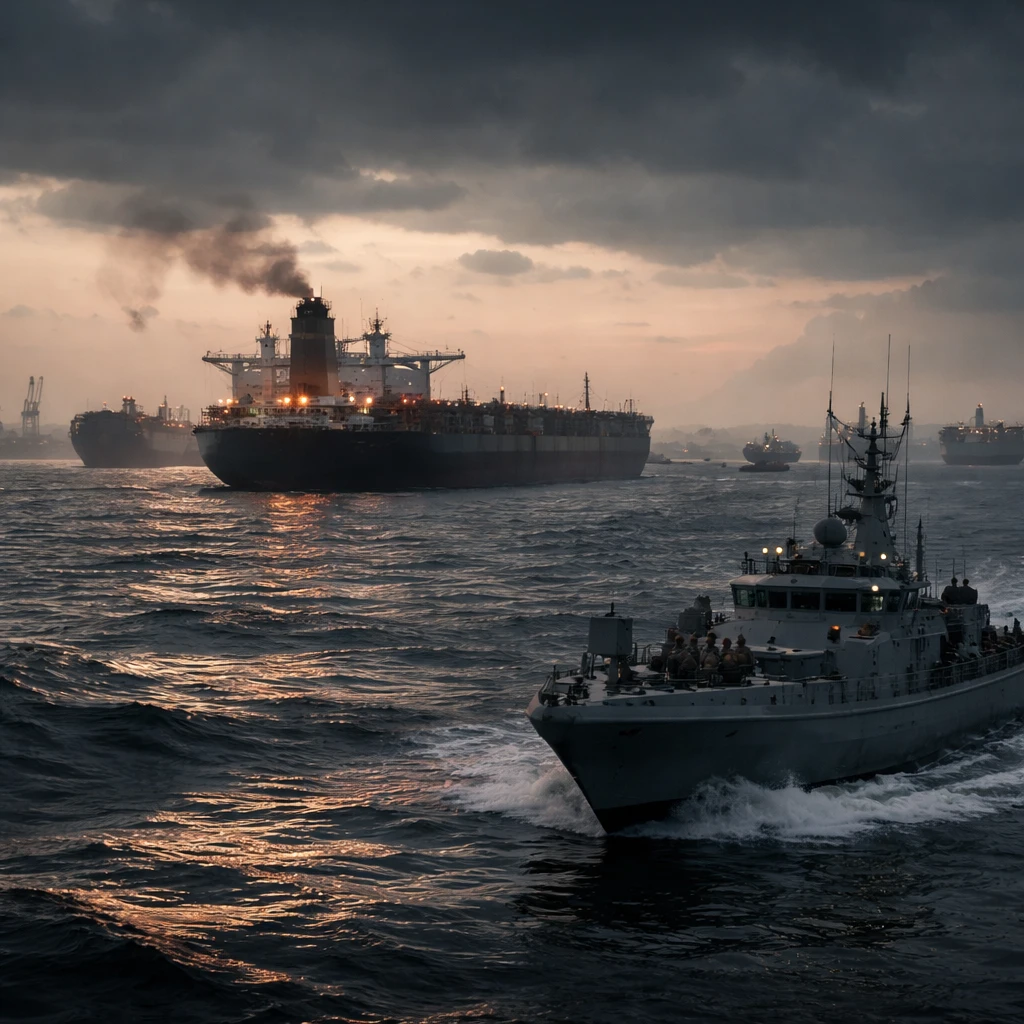
Market participants remain focused on the Strait of Hormuz, which the article states has been largely closed since the start of the conflict. Earlier optimism that Washington and Tehran were close to a temporary agreement to stabilize Gulf shipping routes had driven a pullback in oil prices last week; the latest diplomatic setback reversed that movement.

Heightened uncertainty around shipping lanes and naval deployments is a direct input into oil price swings, as players assess the potential for disrupted flows of crude and refined products.


Diplomatic calendar

The rise in oil prices comes in the run-up to a scheduled visit by President Trump to China later this week, where he is expected to meet President Xi Jinping in Beijing. The summit is likely to cover trade, Taiwan, and the Iran conflict, with Beijing described as an important diplomatic actor because of its economic ties with Tehran.

With talks stalled and major diplomatic meetings imminent, traders and policy watchers will likely continue to monitor statements and movements closely for signs of progress or further escalation.

Risks

  • Persistent diplomatic deadlock could sustain elevated oil-price volatility due to continued concerns over Gulf shipping lanes, particularly the Strait of Hormuz. - Energy and maritime transport sectors are affected.
  • The Strait of Hormuz reportedly remaining largely closed since the conflict began presents ongoing disruption risk to crude flows and global oil supply perceptions. - Global trade and refining sectors face uncertainty.
  • Breakdown in negotiations ahead of a high-profile summit could limit near-term pathways to de-escalation, leaving markets sensitive to political statements and naval posturing. - Financial markets and commodity traders may see renewed volatility.

More from Commodities

Ivory Coast council to dispatch officials after farmers protest over unpaid cocoa sales May 12, 2026 Governments Expand Measures to Protect Households from Rising Energy Costs May 12, 2026 Iranian Officials Say Kharg Island Oil Slick Likely Linked to Tanker Ballast Discharge May 12, 2026 Euronext Wheat Climbs 4% After USDA Flags Smallest U.S. Crop Since 1972 May 12, 2026 U.S. Weighs Billions in Financing to Speed Delivery of Large Nuclear Plant Components May 12, 2026