
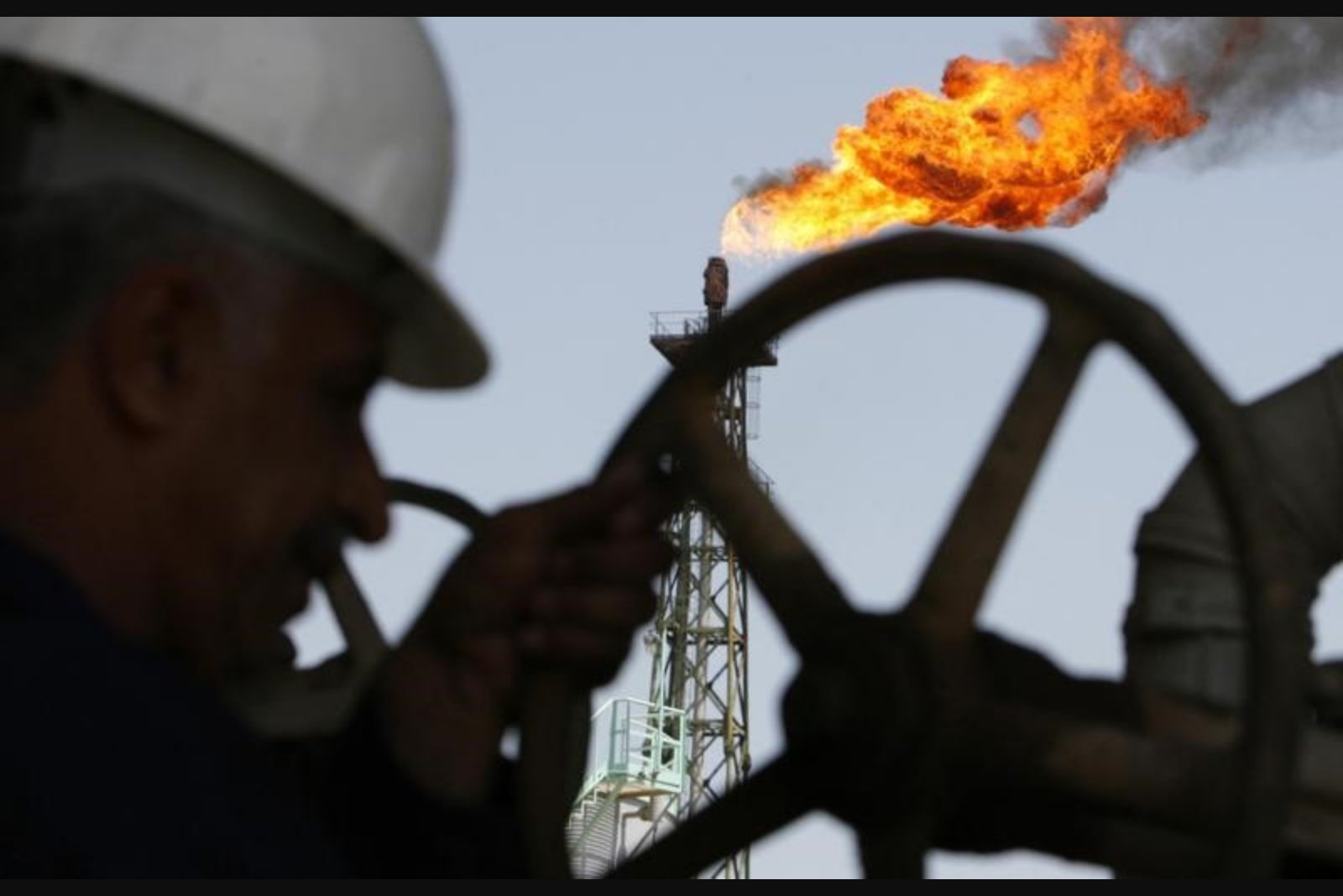
Oil prices slipped in Asian trading on Friday and were poised for steep weekly declines as market participants digested the implications of an interim U.S.-Iran accord and the gradual restart of navigation through the Strait of Hormuz.
As of 20:22 ET (00:22 GMT), Brent Oil Futures expiring in August fell 1.1% to $79.01 per barrel, while West Texas Intermediate (WTI) crude futures slipped 0.7% to $76.05 per barrel. Both benchmarks were set to decline nearly 10% this week and were trading near their lowest levels since early March - when the U.S.-Iran conflict had just started.
Investor sentiment improved after Washington and Tehran signed an interim agreement intended to halt hostilities and restore commercial navigation through the Strait of Hormuz, the critical chokepoint that typically carries about one-fifth of global oil shipments. The deal raised expectations that millions of barrels of crude that had been stranded could gradually flow back to international markets over coming weeks and months.
The U.S. said it lifted its blockade on Iran on Thursday as the interim deal took effect. According to reports, ships carrying stranded oil began making their way out of the waterway on Thursday, signaling the initial return of cargoes that had been held back during the period of heightened tensions.
That prospect of renewed exports has removed a large portion of the geopolitical risk premium that had pushed oil prices above $120 per barrel at the height of the crisis. However, the outlook is not uniformly optimistic.
Early on Thursday, Israeli forces launched fresh airstrikes, an action that introduced doubt about the durability of the interim settlement. Industry analysts have also warned that a full restoration of Gulf oil flows will not be immediate, noting logistical, contractual and operational constraints that could slow how quickly stranded barrels re-enter markets.
At the same time, broader macroeconomic forces were exerting downward pressure on oil. A hawkish tone from the U.S. Federal Reserve - including signals that interest rates could stay elevated for longer - helped strengthen the U.S. dollar, which in turn added to commodity market headwinds.
Market participants will be watching both on-the-ground developments in the Gulf and macroeconomic signals for guidance on how quickly supply and demand will rebalance.