
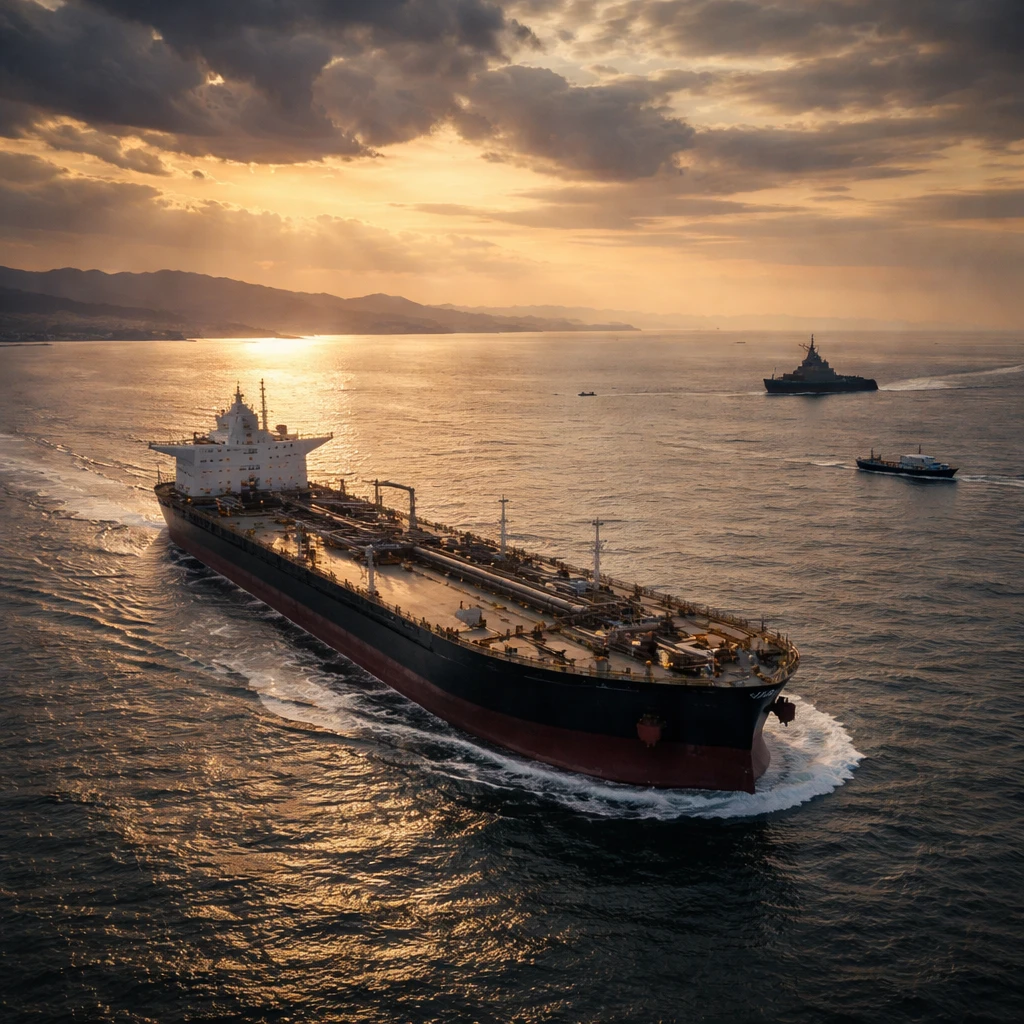
Oil prices gained sharply in Asian trade on Friday after U.S. and Iranian forces exchanged fire near the Strait of Hormuz, a development that unsettled markets even as the U.S. President said a month-old ceasefire remained in place.
As of 20:05 ET (00:05 GMT), Brent crude futures for July delivery were up 2.1% at $103.37 per barrel. West Texas Intermediate crude futures rose 2.2% to $96.90 per barrel. The moves marked a recovery from a session on Thursday when oil had settled about 1% lower after a volatile day.
The price advance followed Iranian accusations that U.S. forces had targeted an Iranian oil tanker and another vessel entering the Strait of Hormuz, and that strikes had been carried out on Qeshm Island and nearby coastal areas. The U.S. military said it acted in self-defence after Iranian drones, missiles and small boats targeted three U.S. Navy destroyers transiting the strategic waterway, and Washington said no U.S. assets were hit.
President Donald Trump sought to reassure markets, describing the incident as "just a love tap" in comments to ABC News and saying the ceasefire with Iran that has been in place for about a month was still holding. Iranian state media later reported that conditions had returned to normal in the affected areas.
Traders nonetheless remained on edge over the potential for conflict to escalate around the Strait of Hormuz, a narrow shipping lane through which roughly a fifth of global oil and liquefied natural gas supplies pass. The flare-up represented the most severe breach yet of the fragile ceasefire brokered in April after weeks of hostilities between Washington and Tehran.
Diplomatic efforts led by Pakistan aimed at securing a broader agreement were reported to be ongoing. In financial markets the geopolitical strain boosted the U.S. dollar and pressured equity futures as investors shifted toward safe-haven assets ahead of the closely watched U.S. non-farm payrolls report due later on Friday.
Market context and immediate impacts
The combination of military exchanges near a key choke point for energy shipments and assertions from both sides about the nature and outcome of the encounter fed into heightened price sensitivity in oil markets. While top officials on both sides offered language suggesting the situation had calmed, the mere prospect of supply disruption in a corridor responsible for a significant share of global oil and LNG volumes kept trading cautious.