
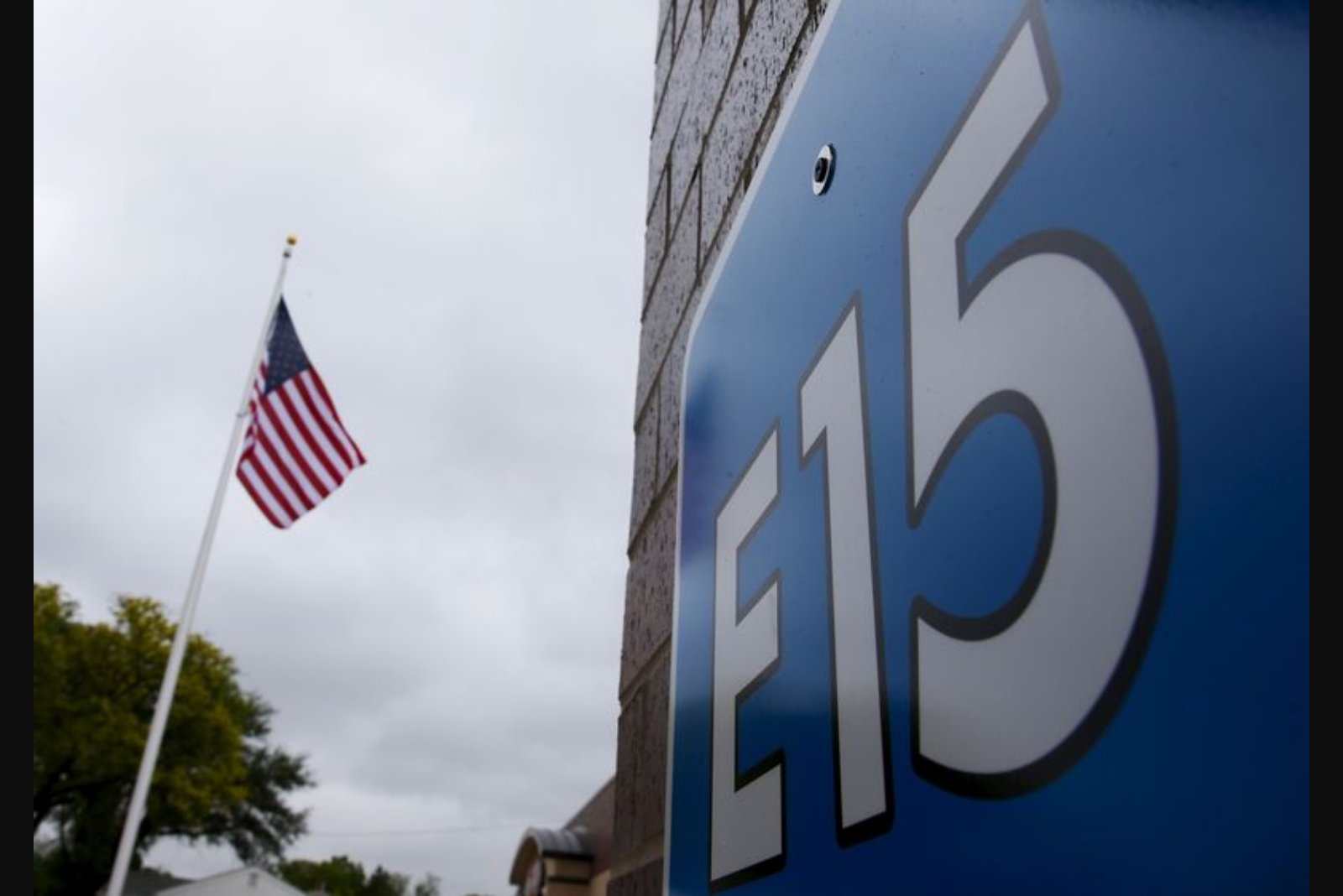
NEW YORK, May 12 - Supporters of expanded biofuel use are making a concentrated effort on Capitol Hill to secure House approval for year-round sales of gasoline blended with 15% ethanol, known as E15, ahead of a scheduled vote this week. The push comes as the refining sector mobilizes to block the measure and other opponents voice concerns about consumer costs and environmental impacts.
The legislation under consideration, H.R. 1346 - the Nationwide Consumer and Fuel Retailer Choice Act - would allow fuel retailers across the country to offer E15 year-round, though it would not compel them to do so. The bill would also narrow criteria under which refineries can claim exemptions from the Environmental Protection Agency’s biofuel-blending mandates on the basis of economic hardship.
Proponents say passage would mark the industry’s closest advance yet toward a long-sought, permanent expansion of E15 availability. But they still confront opposition from members of Congress representing refining states and an uncertain path in a Senate sharply divided on the issue.
Lobbying and political activity
Both sides have been actively lobbying lawmakers this week. Representatives from the Renewable Fuels Association, the American Petroleum Institute and the Small Refineries of America met with members of Congress on Monday and Tuesday as they seek to influence the vote.
Support for the biofuels industry is visible at the highest levels of Republican politics: the bill has backing from former President Trump, who visited Iowa earlier this year and pledged to sign any E15 legislation that reaches his desk. Despite that pledge, the White House has not applied overt political pressure to move the legislation, illustrating the issue’s contentious nature in Washington.
Regulatory background and recent actions
E15 is typically restricted during the summer months because of concerns that higher ethanol blends can contribute to smog formation. The Trump administration temporarily waived that seasonal ban for a 20-day period beginning May 1 in an effort to ease gasoline prices that rose following the outbreak of the Iran war.
Previous attempts to alter the seasonal restriction have stalled. A similar provision was removed from a stop-gap funding bill in 2024 after opposition from Elon Musk, who at that time served in a White House role focused on efficiency, along with some conservative lawmakers. A renewed effort in January 2026 also failed; instead, lawmakers established a task force to study the prospect of year-round E15 sales.
Arguments from opponents
Opponents argue the change would increase fuel costs for consumers at a time when gasoline and diesel prices are approaching historic highs. Environmental groups, including the Green Scissors coalition, have urged Congress to reject the proposal, sending a letter this week warning that broader E15 sales could degrade air, soil and water quality and cost taxpayers "single-digit billions."
Representative James Lankford Brecheen (Note: name retained exactly as presented in the sourced text) posted on X, "I am convinced that this will increase costs at the pump for all Americans, whether they are driving a car or operating a tractor in a field," and argued that tightening exemption rules would spur refinery closures in Oklahoma, a major refining state under his view.
The Small Refineries of America, which represents 12 refineries, has warned that stricter exemption rules would remove a form of relief Congress originally created to help small refineries manage the costs of complying with biofuel blending requirements. Peter Whitfield, a lawyer at Sidley Austin LLP who represents the group, said, "If this bill goes through you are likely to see substantial impact, potentially including closures or layoffs. For some of these refiners the exemptions are everything," and added that fewer operating refineries could reduce fuel availability and push consumer prices higher.
Supporters' case
The Renewable Fuels Association, representing biofuel producers, contends that E15 typically sells for 15-40 cents per gallon less than the current E10 standard-grade gasoline and about $1 per gallon cheaper or more than ethanol-free gasoline, which the group argues would translate into lower pump prices for consumers. Geoff Cooper, the RFA’s chief executive officer, wrote in a blog post on Wednesday, last week, "When it comes to E15, you should believe your eyes."
Outlook
Despite vigorous lobbying on both sides, the bill’s outcome faces significant uncertainty in the Senate. Lawmakers from refining states and environmental advocates continue to press their case against the change, while biofuel backers and some political figures press for expansion. The competing priorities - consumer fuel costs, refinery viability, environmental concerns and the mechanics of federal biofuel mandates - leave the legislation at a precarious juncture as the House prepares to vote.
With past attempts to secure year-round E15 sales having failed or been removed from broader measures, the current push and its legislative repercussions will be closely watched by stakeholders across the fuel supply chain, from refiners and retailers to biofuel producers and consumers.