
Summary
The Kremlin on Tuesday restated President Vladimir Putin’s view that the war in Ukraine is approaching an end, while Kyiv’s leadership has publicly questioned whether Moscow intends to stop fighting. Kremlin spokesman Dmitry Peskov cited progress in trilateral preparation with Ukraine and the United States, but said specific details are hard to provide at present. Ukrainian President Volodymyr Zelenskiy has said Russia is not planning to end the war, and both sides reported continuing clashes around a short-lived ceasefire.
Kremlin reiterates Putin’s assessment
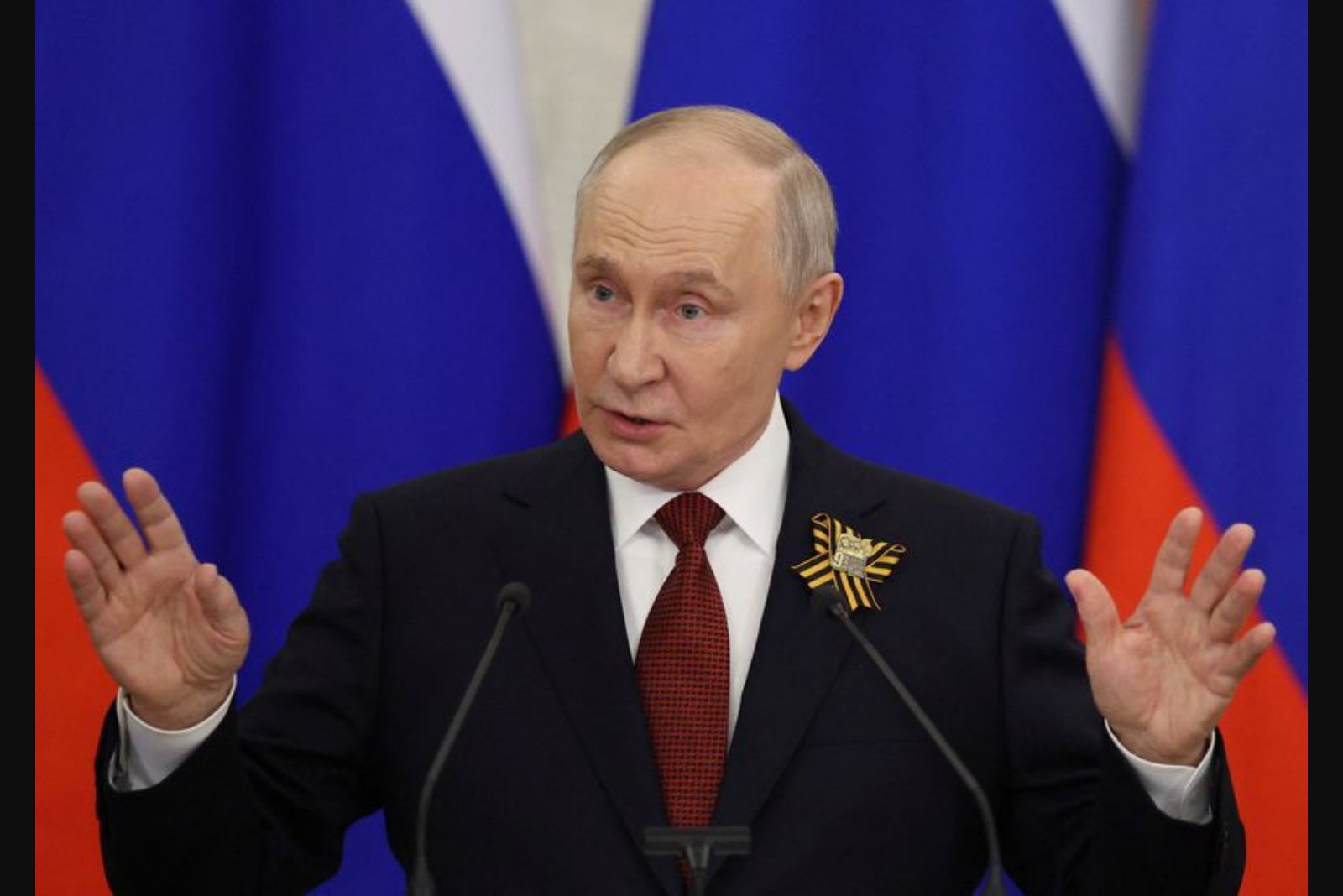
Speaking to reporters on Saturday, President Putin said: "I think that the matter is coming to an end." Asked to expand on that remark, Kremlin spokesman Dmitry Peskov pointed to a body of work carried out in a trilateral format with Ukraine and the United States aimed at reaching a peace agreement. "This accumulated groundwork in terms of the peace process allows us to say that the completion is indeed approaching," Peskov told reporters, while stressing that it was difficult to provide specific details at this stage.
Peskov said Russia would welcome further U.S. mediation efforts. He added that Putin would be ready to meet Ukrainian President Volodymyr Zelenskiy in person once the peace process was finalised. "And for that finalisation, in order to put a full stop to it, a great deal of preparatory work still needs to be done," Peskov said, and he repeated that the conflict could end as soon as Kyiv and Zelenskiy "take the necessary decision".
Kyiv expresses scepticism
On Monday, President Zelenskiy publicly questioned Moscow’s readiness to halt hostilities, saying: "Russia has no intention of ending this war. And we are, unfortunately, preparing for new attacks." The comment came amid ongoing diplomatic efforts to find a resolution to the conflict.
U.S. mediation and outstanding differences
U.S. President Donald Trump has held several rounds of talks with both sides in attempts to broker a settlement, but no peace deal has been reached. The core positions remain opposed: Russia, which currently occupies around a fifth of Ukraine, is seeking Kyiv's cession of additional territory, while Kyiv insists on the withdrawal of Russian forces.
Ceasefire and continued violence
The two sides agreed to a brief, U.S.-mediated ceasefire from May 9-11 that coincided with the anniversary of the Soviet victory in World War Two. Although neither side reported large-scale airstrikes during the pause, both acknowledged that fighting persisted along the front line and accused the other of drone and artillery attacks.
Key takeaways and context
- The Kremlin repeats Putin's assertion that the war is "coming to an end," citing preparatory trilateral work.
- Ukrainian President Zelenskiy has stated that Russia "has no intention of ending this war."
- A short U.S.-mediated ceasefire was observed from May 9-11, but both sides reported ongoing skirmishes and mutual accusations of attacks.
Implications for sectors
The article does not provide detailed economic analysis. It notes ongoing diplomatic activity and intermittent ceasefires, which are elements normally relevant to markets and logistics, but it offers no specific assessment of sectoral impacts.
Conclusion
The Kremlin maintains that the conflict is approaching a conclusion based on preparatory work with Ukraine and the United States, while Kyiv remains doubtful about Moscow’s intentions. U.S. mediation has so far produced a temporary ceasefire but not a comprehensive peace agreement, and fighting has continued along the front lines.