
Overview
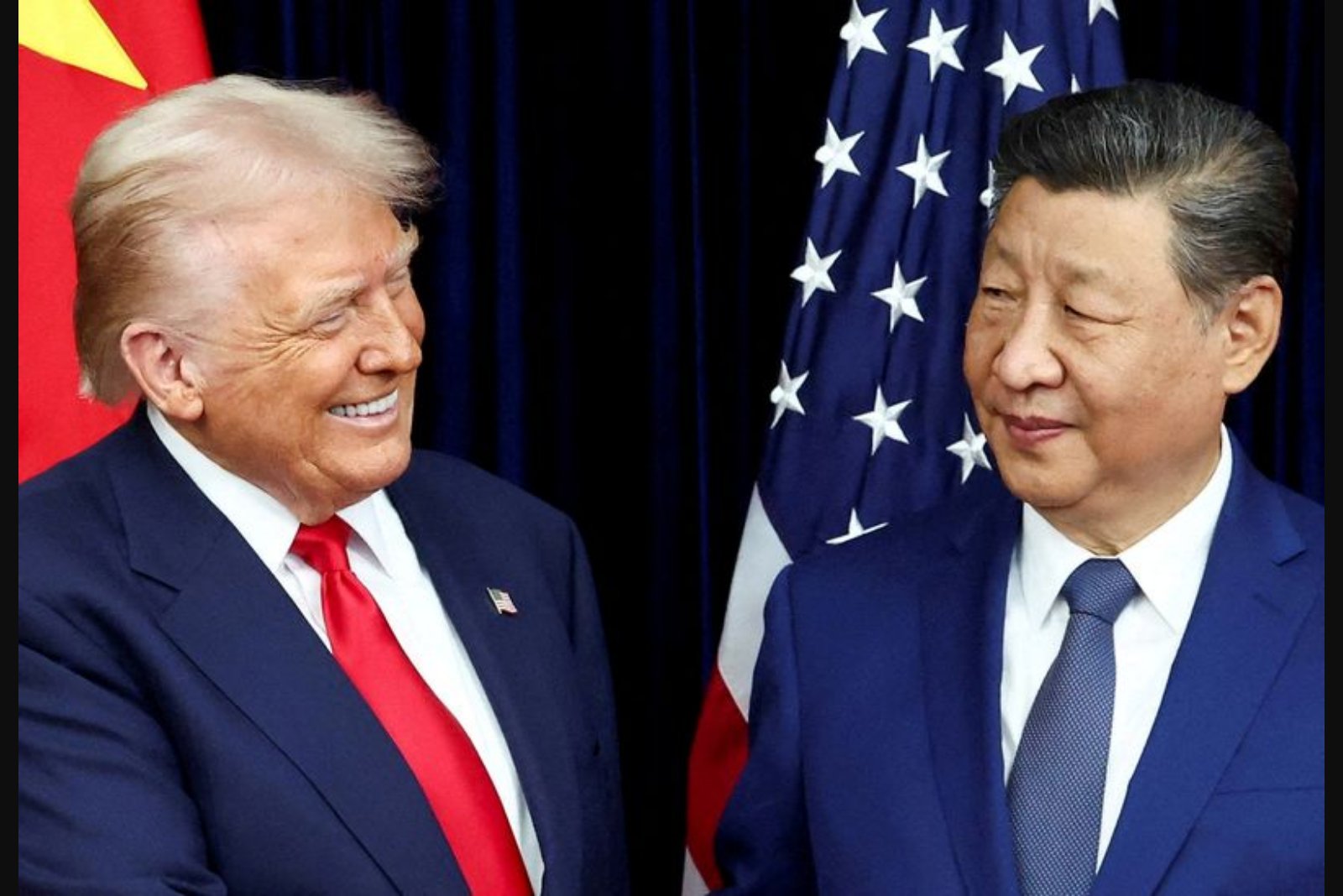
The ongoing war involving Iran has further strained ties between the United States and China and is expected to dominate talks when U.S. President Donald Trump meets Chinese host Xi Jinping in Beijing on May 14 and 15. Officials and analysts say the conflict will shape a range of bilateral calculations from diplomatic engagement to energy flows and sanctions enforcement.
Ceasefire diplomacy and competing approaches
U.S. Treasury Secretary Scott Bessent has said the two presidents will discuss the Iran war, urging China to "join us in this international operation" aimed at reopening the Strait of Hormuz to international shipping. Beijing, however, is not expected to follow U.S. direction automatically. The Chinese government reportedly worked behind the scenes to persuade Iran to enter peace talks with the U.S. in Pakistan last month. Following a recent visit to Beijing by Iran’s foreign minister, China publicly called for a "complete cessation of hostilities".
On the nuclear question, Chinese statements said that "China appreciates Iran’s commitment not to develop nuclear weapons, while also recognizing Iran’s legitimate right to the peaceful use of nuclear energy." By contrast, U.S. officials view Iran as seeking a nuclear weapon and are pressing Tehran to give up enrichment rights for 20 years and to hand over its stockpile of highly enriched uranium.
Energy security risks for China
The war has heightened risks to China’s energy security. As the conflict drags on, Beijing has been forced to reduce exports of refined petroleum products - such as gasoline and jet fuel - to protect supplies for its domestic market. About half of China’s crude oil imports originate in the Middle East, where disruptions linked to the closure of the Strait of Hormuz and a U.S. blockade have left vessels stranded inside the Gulf and exposed to attacks.
Chinese customs data show that total crude oil imports in April fell by 20% from a year earlier, reaching the lowest level in almost four years. China’s foreign ministry has criticized the U.S. blockade of the strait as not serving "the common interest of the international community," and confirmed that an oil products tanker with Chinese crew was attacked in the strait.
Sanctions, trade flows and enforcement tensions
China remains the largest buyer of Iranian oil despite U.S. pressure. More than 80% of Iran’s shipped oil has been destined for China, with Chinese independent refiners taking advantage of discounted, U.S.-sanctioned crude. Intelligence and market data firm Kpler estimates China purchased an average of 1.38 million barrels per day of Iranian oil in 2025.
Enforcement moves by Washington have already targeted Chinese entities. In April, the U.S. Treasury imposed sanctions on independent refinery Hengli Petrochemical for buying billions of dollars’ worth of Iranian oil. The Treasury has also written to two Chinese banks warning of possible secondary sanctions if they facilitated Iranian oil trade.
Beijing has resisted U.S. measures. China’s Ministry of Commerce ordered companies not to comply with U.S. sanctions against five refiners, for the first time invoking a law that allows China to retaliate against entities it views as unlawfully enforcing foreign sanctions. In the days leading up to the Trump visit, the U.S. Treasury added sanctions on two companies in China and two in Hong Kong accused of supplying or facilitating Iran’s purchase of weapons from China and materials used in ballistic missiles.
Implications for the summit
With the Iran war recentering bilateral priorities, the May 14-15 summit will bring ceasefire and nuclear discussions, energy security concerns and disputes over sanction compliance to the forefront. Each side’s declared positions - Washington’s demands on Iran’s enrichment and Beijing’s calls for a halt to hostilities - will be part of a diplomatic agenda shaped by the conflict’s immediate pressures on shipping, fuel supplies and trade enforcement.
Author’s note
This report summarizes public statements and trade data cited by government officials and analysts regarding the diplomatic and economic stakes for the U.S. and China in the context of the conflict involving Iran.