
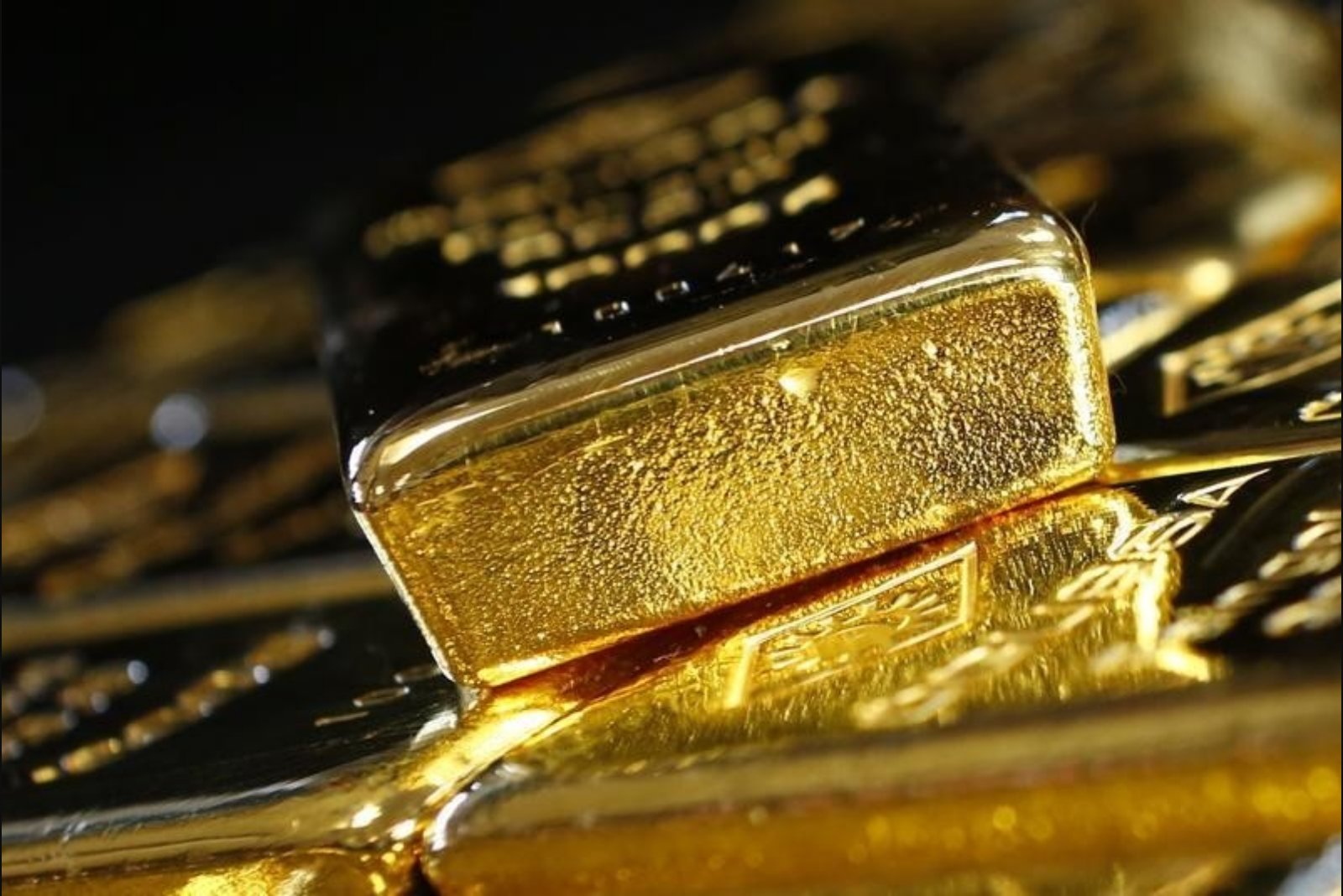
Gold eased in Asian markets on Monday, reversing some of last week’s gains as oil climbed and the U.S. dollar firmed following President Trump’s rejection of Iran’s response to a U.S. peace proposal.
Spot gold fell 0.8% to $4,677.82 an ounce by 21:03 ET (01:03 GMT). U.S. Gold Futures also moved lower, easing 0.8% to $4,694.34. The yellow metal had risen more than 2% over the previous week amid hopes that Washington and Tehran might strike a deal to reduce tensions.
President Trump described Tehran’s latest response to the U.S. peace framework as "totally unacceptable," a comment that undercut optimism for a near-term breakthrough in negotiations between the two countries.
Energy markets reacted sharply to the diplomatic setback. Brent crude climbed more than 3% to trade above $104 a barrel, while U.S. West Texas Intermediate crude nudged near $99. The rise in crude prices heightened investor concerns that global inflation could remain elevated, a dynamic that could prompt central banks - including the U.S. Federal Reserve - to maintain higher interest rates for an extended period. That prospect lowered the appeal of non-yielding assets such as gold.
In currency markets, the dollar strengthened in Asian trading after stronger-than-expected U.S. payrolls data last week. That report supported market expectations that the Fed would delay cutting rates, and the U.S. Dollar Index traded about 0.1% higher during Asian hours. A firmer dollar tends to make dollar-priced commodities like gold more expensive for buyers holding other currencies, further weighing on demand.
Earlier market advances had been driven by optimism that an agreement between Washington and Tehran could ease Gulf tensions and reopen shipping lanes around the Strait of Hormuz - a chokepoint through which roughly a fifth of global oil consumption passes. The latest impasse, however, revived fears that negotiations could break down and that disruption risks to oil supplies could persist.
Details circulating about the diplomatic exchange indicate the countries remain far apart: Iran’s counterproposal reportedly requested sanctions relief, security guarantees, and recognition of Tehran’s right to retain parts of its nuclear program, while the U.S. proposal sought limits on uranium enrichment and tighter international oversight.
Investor attention is shifting toward upcoming U.S. inflation data and President Trump’s scheduled visit to China later this week, where talks with Chinese President Xi Jinping are expected to cover Iran, trade, and global energy security.
Other precious metals moved lower as well. Silver slipped 0.7% to $79.76 per ounce, while platinum fell 1.3% to $2,031.60 an ounce.
Key points:
- Gold declined 0.8% in Asian trade to $4,677.82/oz as oil and the dollar rose.
- Brent crude topped $104/bbl and WTI neared $99, reviving inflation concerns that could keep central banks' rates higher for longer.
- Investors are watching U.S. inflation data and President Trump's upcoming China visit for further market direction.
Risks and uncertainties:
- Diplomatic impasse between the U.S. and Iran could prolong energy-market volatility, affecting oil and related sectors.
- Stronger-than-expected U.S. economic data could delay Fed rate cuts, influencing fixed income, currency, and precious metals markets.