
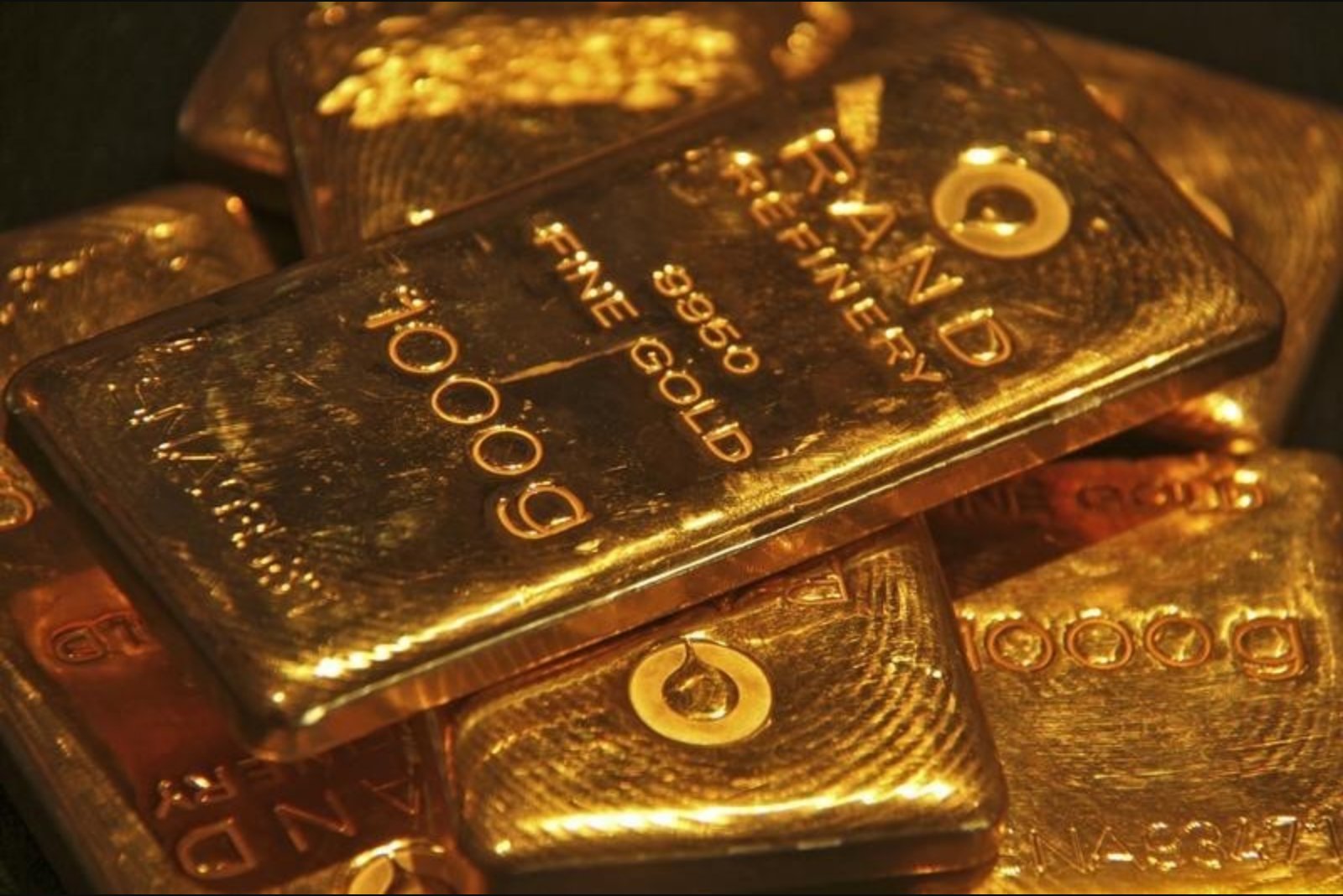
Spot gold inched up 0.8% to $4,723.52 per ounce by 01:35 ET (05:35 GMT) on Friday, while U.S. Gold Futures were 0.5% firmer at $4,731.96. The precious metal stood on track for a weekly advance, having recovered nearly 2% after rebounding from one-month lows reached earlier in May.
Market drivers
Investors have been balancing emerging optimism about a possible U.S.-Iran peace agreement with persistent caution over the stability of a month-old ceasefire. That tension was underlined after U.S. and Iranian forces exchanged fire on Thursday near the Strait of Hormuz in what officials described as the most serious breach of the ceasefire to date. Iran later reported that conditions in affected coastal areas had returned to normal.
U.S. President Donald Trump told ABC News that, despite the incident, the ceasefire remained in effect. Still, the episode kept a lid on bullion's upside, even as prospects of broader detente helped ease oil from recent highs and, in turn, alleviate some inflation concerns.
Lower inflation expectations can reduce pressure on interest rates, a dynamic that typically supports non-yielding assets such as gold. A modest pullback in the U.S. dollar this week also provided additional support to bullion. The U.S. Dollar Index traded up 0.1% during Asian hours following a largely flat but volatile session.
Positioning ahead of U.S. jobs data
Traders were cautious about taking large positions ahead of the U.S. non-farm payrolls report later on Friday, which could influence expectations for Federal Reserve policy. Analysts' consensus forecast called for payrolls growth of 65,000, with the unemployment rate seen holding steady at 4.3%.
A weaker-than-expected payrolls print could reinforce market bets on future Fed rate cuts, a scenario that would typically benefit bullion by keeping real yields lower. Gold has nonetheless fallen by more than 10% since the Iran conflict began in late February, pressured earlier by surging oil prices that heightened inflation fears and pushed up interest rate expectations.
Other metals and base metals
Precious metals beyond gold also advanced on Friday. Spot silver climbed 1.9% to $79.95 per ounce, while platinum rose 1.7% to $2,060.30 per ounce. On the base metals front, benchmark London Metal Exchange copper futures were up 0.4% at $13,396.33 a ton, and U.S. copper futures increased 1.4% to $6.21 a pound.
Outlook
For now, bullion markets appear to be navigating between the potential for a de-escalation that eases energy-driven inflationary pressure and the persistent risk that ceasefire breaches could revive volatility in oil and interest rate expectations. The immediate focus remains the U.S. payrolls report and how it may recalibrate expectations for the Fed's path on rates, which in turn will influence demand for gold and other non-yielding assets.