
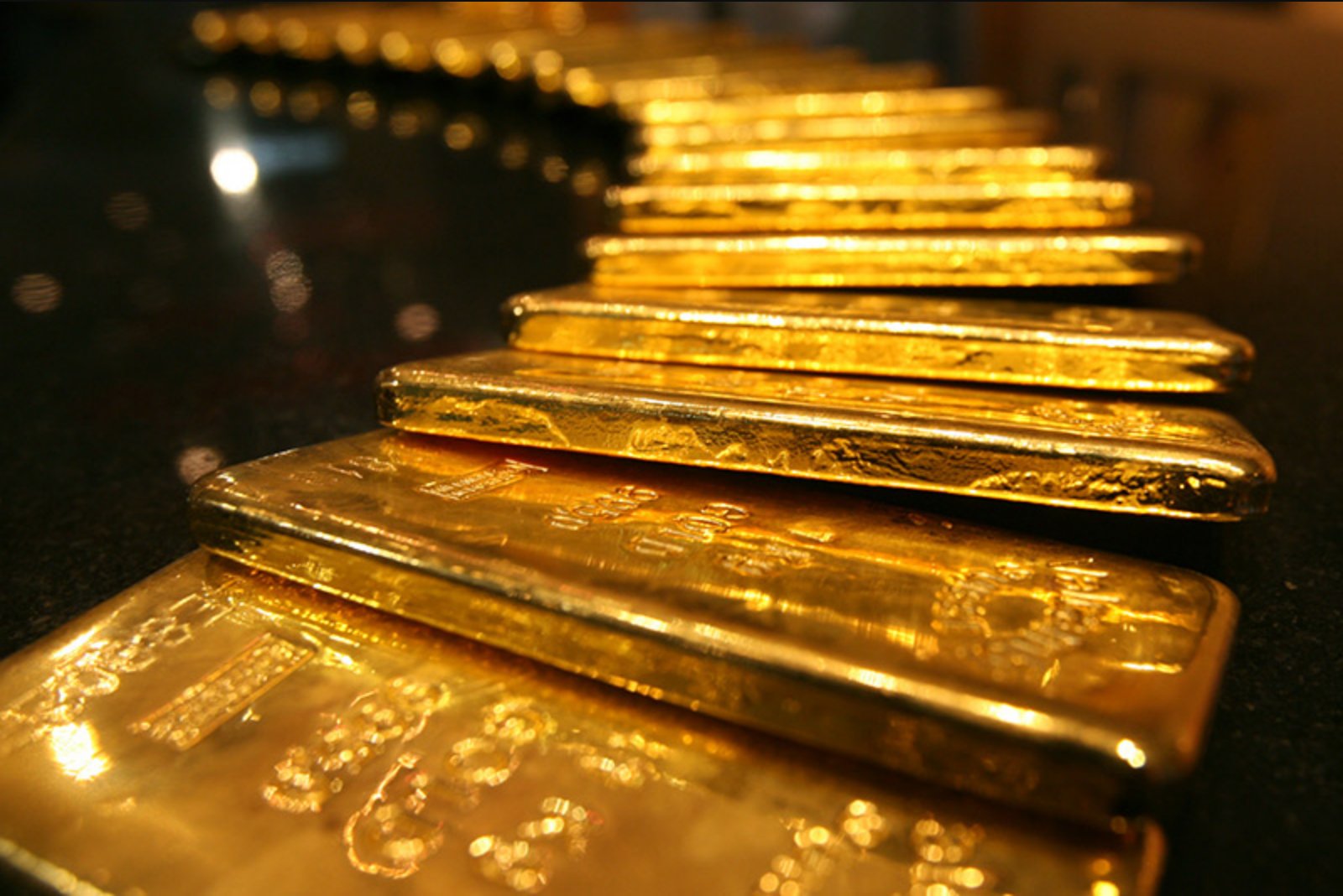
Gold extended its recent upside momentum on Monday, marking a fourth straight session of gains as market participants sought shelter from new U.S. trade measures and digested recent U.S. economic figures.
Spot gold was last reported up 0.8% at $5,143.55 an ounce by 19:53 ET (00:53 GMT). U.S. Gold Futures gained 1.7% to $5,165.86.
Prices built on a weekly advance of more than 1% recorded last week, when heightened geopolitical frictions between the U.S. and Iran contributed to a more risk-averse mood among investors and lifted demand for bullion.
Market attention also centered on a late-week announcement from the U.S. administration that initially set a 10% tariff on global imports for 150 days under Section 122 of U.S. trade law, following a U.S. Supreme Court decision that struck down an earlier, broader tariff regime. The administration subsequently increased the levy to 15%, the maximum permitted under the statute. The pair of tariff moves intensified concerns about retaliatory actions and potential disruptions to global supply chains.
Analysts and market participants said the tariff developments weighed on risk sentiment and helped redirect flows toward conventional safe-haven instruments, including bullion and U.S. Treasuries. Uncertainty over how long the tariffs might remain in effect, their ultimate scope, and the possibility of legal or congressional challenges contributed to heightened market volatility.
Gold's appeal was further supported by U.S. economic data released last week. U.S. gross domestic product expanded at an annualized rate of 1.4% in the fourth quarter, a notable slowdown from the prior quarter. At the same time, the Personal Consumption Expenditures price index - the inflation gauge favored by the Federal Reserve - showed overall prices up 2.9% year-on-year in December, with the core measure at about 3.0%, remaining above the Federal Reserve's 2% target.
Market observers noted that the combination of decelerating economic growth and still-elevated inflation reinforced gold's role as both a hedge against economic uncertainty and a store of value, supporting investor demand in recent sessions.
Key points
- Gold rose for a fourth consecutive session, with spot and futures up 0.8% and 1.7% respectively - impacts seen in bullion markets and U.S. Treasury demand.
- U.S. tariff actions - an initial 10% levy raised to 15% under Section 122 for 150 days after the Supreme Court struck down an earlier regime - dampened risk appetite and lifted safe-haven flows.
- Slower GDP growth (1.4% annualized in Q4) alongside elevated PCE inflation (2.9% headline, core around 3.0%) supported gold's dual role as a hedge and store of value.
Risks and uncertainties
- Unclear duration and scope of the tariff measures, including potential legal or congressional challenges - this uncertainty may continue to influence market volatility and safe-haven demand.
- Potential retaliatory measures and disruptions to global supply chains stemming from the tariff actions - these trade-related risks could affect risk sentiment and cross-market dynamics.