
Market moves
European gas benchmarks firmed on Tuesday as oil pushed higher amid growing doubts about an imminent resolution to the conflict between the United States and Iran. The Dutch front-month contract at the TTF hub rose 1.3% to 46.835 euros per megawatt hour by 09:17 ET (13:17 GMT), according to Intercontinental Exchange data. The British contract for June advanced 1.6% to 115.27 pence per therm.
Geopolitical developments
U.S. President Donald Trump told reporters on Monday that a ceasefire between Washington and Tehran was on “massive life support” after he rejected Iran’s response to an American peace proposal. He characterized Iran’s counteroffer as “unacceptable” and later described it as “a piece of garbage,” saying he did not even believe it was worth reading fully.
At the same time, there were indications of renewed brinkmanship in the dispute. Reporting from CNN cited senior U.S. officials saying President Trump, frustrated by slow-moving negotiations, is seriously considering restarting major combat operations.
Some observers have pointed to the possibility that the president’s upcoming trip to China and a meeting with Chinese President Xi Jinping could help break the deadlock. Those observers noted that China is a major importer of Iranian crude and could potentially serve as a guarantor for any long-term settlement.
Energy market reaction
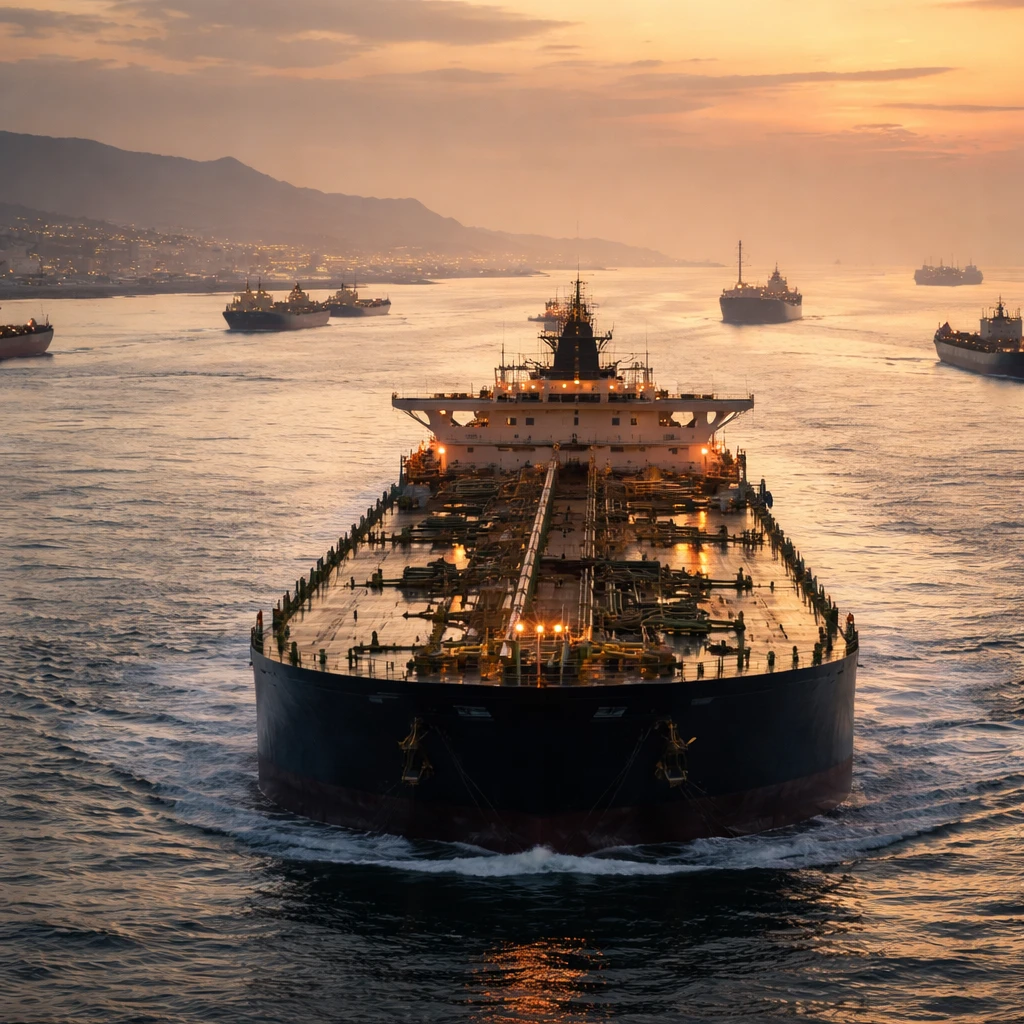
With uncertainty persisting around the crisis, and with the Strait of Hormuz effectively all but shuttered to tanker traffic, global oil prices climbed again. Brent crude futures rose 3.2% to $107.56 a barrel, while U.S. West Texas Intermediate crude futures gained 3.3% to $101.30 a barrel.
The Strait of Hormuz is a critical conduit for roughly a fifth of the world's oil and liquefied natural gas. Analysts warned that continued or increased disruption to shipping in the waterway could harm Europe’s ability to replenish gas storage, which is currently running below the five-year average.
Implications for supply and storage
Higher oil prices can feed through to broader energy market sentiment, supporting gains in natural gas as traders reassess geopolitical risk premia. The combination of constrained tanker access through the Strait of Hormuz and gas storage levels that lag the five-year norm was cited by analysts as a factor that could pressure Europe’s capacity to top up inventories ahead of peak demand periods.
Note: All price levels and quoted remarks are reported as provided by market data and public statements referenced above.