
Summary
Markets around the globe experienced abrupt shifts after a 48-hour countdown to potential strikes on Iranian power plants was extended to five days following reports of an apparent breakthrough with Tehran. The mixed and sometimes contradictory public statements from U.S. and Iranian sides have left investors uncertain about the true state of negotiations and the likely path of geopolitical risk. That uncertainty produced outsized moves across oil, equities and government bonds, and has carried over into broader concerns about energy supply, inflation and stress in private credit funds.
From 48 hours to five days
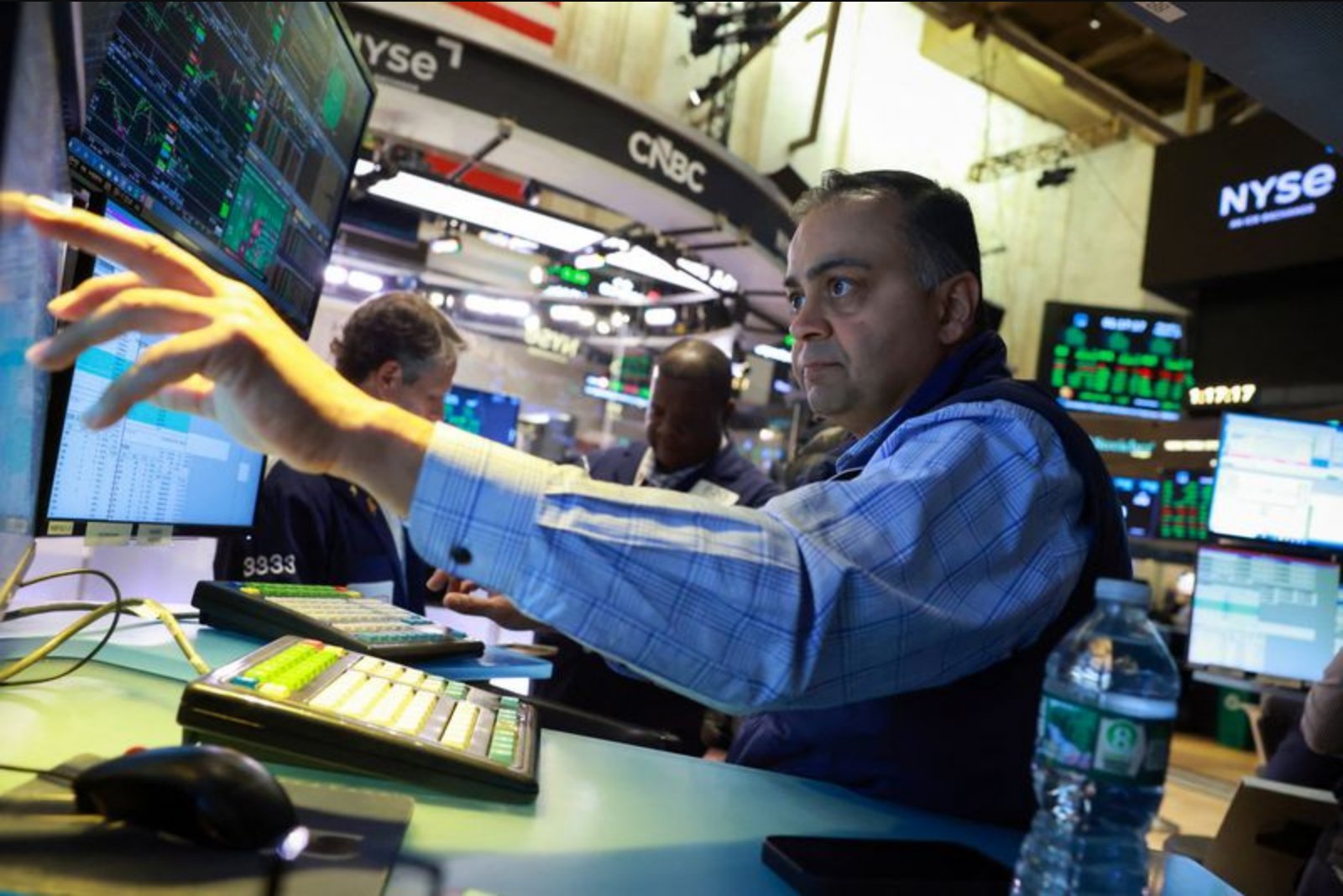
Initial headlines of a 48-hour window for U.S. action triggered violent market reactions on Monday. Oil futures plunged by more than 10% on the day, with Brent crude falling to as low as $97 per barrel and U.S. West Texas Intermediate touching $86 per barrel. The sharp retreat in oil sent ripples through other asset classes, helping push all major U.S. stock indexes higher by more than 1% as risk appetite briefly returned and borrowing costs eased.
Yet the relief proved fragile. Iran publicly denied that any talks with the U.S. had taken place, labelling reports of a breakthrough as "fake news" intended to calm markets. That rebuttal removed some immediate certainty from the picture, and on Tuesday oil partially retraced its earlier losses: Brent traded just above $100 per barrel while U.S. crude settled around $90.
Regional developments continue to feed volatility. The Strait of Hormuz remains closed to most traffic, with the exception of a handful of India-flagged tankers being allowed through, and reports say missiles continued to be launched overnight. If diplomatic movement does not clarify the situation, markets face the prospect of another unsettled Friday as the extended countdown expires.
Market mechanics and psychology
For traders who operate on the premise that the U.S. president is sensitive to market stress, this episode looks like confirmation. U.S. Treasury yields surged early on Monday to their highest levels in seven months before easing after the president's announcement - a pattern some market participants interpret as evidence that rising government borrowing costs act as a constraint on policy escalation. That move in yields added a further dimension to the market whiplash, tightening financial conditions even as oil and equities traded erratically.
Today, attention will shift to how much damage the conflict and the accompanying uncertainty have inflicted on business confidence in March. Flash purchasing managers' surveys from around the world are due, and they will be watched closely for indications of whether firms have pulled back on activity or investment amid heightened geopolitical risk.
Regional energy measures and inflation dynamics
Asian governments are already probing policy options to blunt energy pressure. South Korea is reported to be exploring an energy saving campaign, while China has moved to limit rises in its fuel price ceiling. Meanwhile, Japan released a surprisingly large drop in its February inflation rate, bringing headline inflation back below 2% for the first time in nearly four years. Those inflation figures predate the recent escalation, but they pose a potential complication for a central bank that has adopted a more hawkish communication tone in recent weeks.
Private credit stress
On the corporate finance side, asset managers are showing caution in the face of investor outflows. Apollo on Monday became the latest firm to restrict redemptions from its flagship private credit fund, capping withdrawals at 5% of shares after investors sought to withdraw approximately 11.2% of the fund's assets. That move underscores liquidity frictions in private credit markets and the challenges managers face when large redemptions occur during periods of market upheaval.
Monetary policy outlook
One striking chart of the day shows futures markets no longer price in any further Federal Reserve interest rate cuts this year. Market participants now expect the energy shock stemming from the Iran conflict to sustain U.S. inflation at levels that keep the Fed on hold at least until the second half of 2027, shifting the expected timing of policy loosening materially.
Events to watch today
- U.S. March S&P Global manufacturing and services PMIs (9:45 a.m. EDT)
- U.S. 2-year note auction
- Fed Governor Michael Barr speaks
- European Commission President Ursula von der Leyen meets with Australian Prime Minister Anthony Albanese
- Denmark holds a general election
Investors and market participants will also be tuning into the flow of diplomatic messages and regional security developments as they assess the likely trajectory for oil prices, bond yields, equity performance and credit market liquidity in the coming days.