
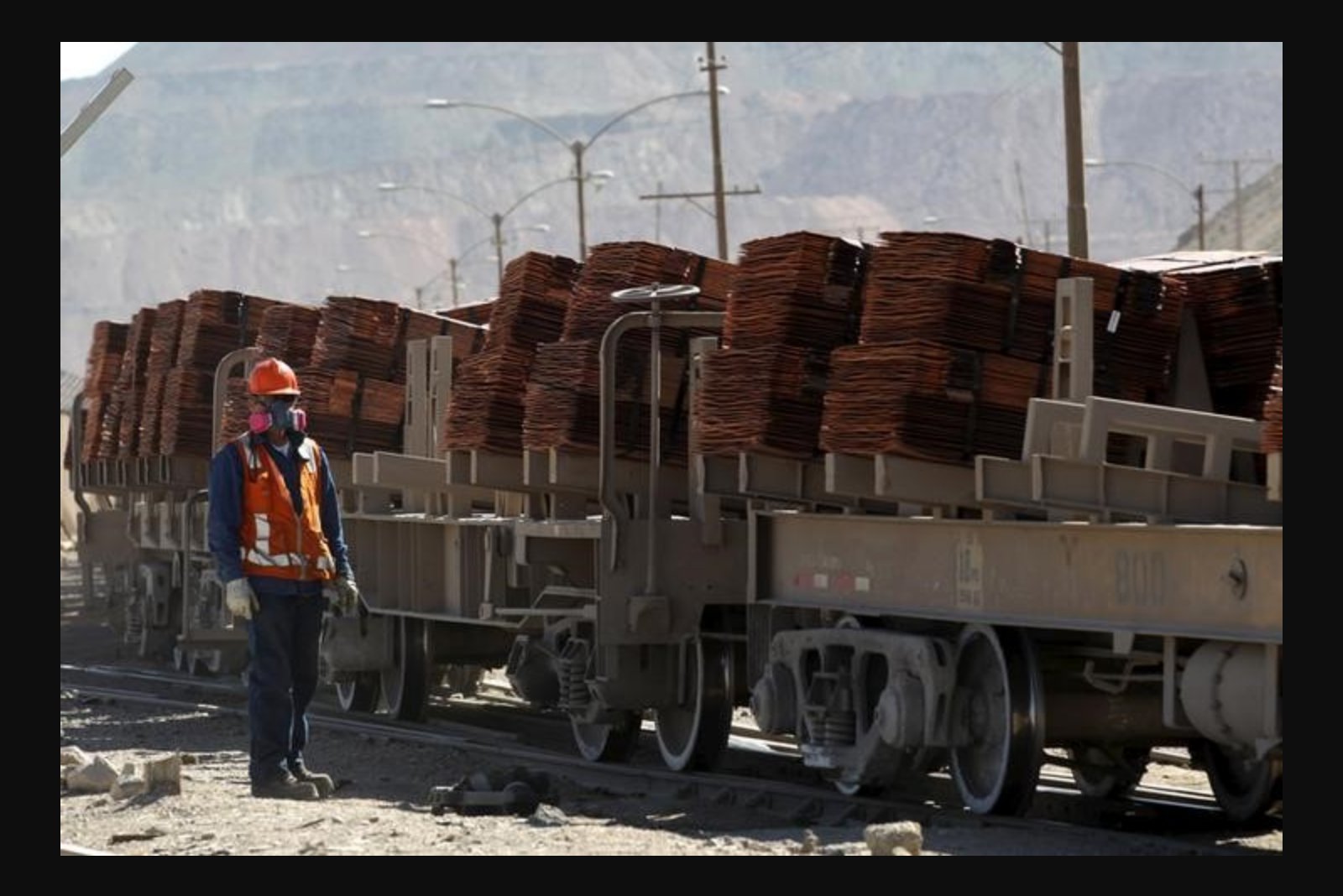
Citi said on Friday it expects copper to be anchored around $13,000 per metric ton, although the bank cautioned that risk-off sentiment stemming from U.S.-Iran tensions could exert downward pressure on prices.
According to the banks analysis, robust physical dip-buying should prevent prices from sliding below $12,000 per ton through the second quarter of 2026, even in a scenario featuring a sharper risk-driven sell-off. That contention underscores the role of physical market support in buffering short-term price declines.
Price action on the London Metal Exchange reflected tightening supply expectations after Freeport-McMoRan reported a slight delay in the recovery of production at its Grasberg mine in Indonesia. Benchmark three-month copper on the LME reached a three-month high on Friday following the companys update.
Geopolitical developments added to market uncertainty. U.S. and Iranian forces clashed in the Gulf and the United Arab Emirates came under renewed attack, though President Donald Trump said a ceasefire was still holding despite the flare-up. Citi noted that a risk-off reaction to such tensions could push copper prices lower than its central estimate.
In its base case forecast, the bank said a combination of headwinds from U.S. tariffs and inventory dynamics could weigh on prices, reducing copper to $12,000 per metric ton by the fourth quarter of 2026. That outlook points to policy and stock-level influences as potential downward forces.
Citis bull case outlines a scenario where the metal could climb to $15,000 per metric ton by year-end. That outcome would be contingent on the Strait reopening and on renewed momentum behind energy-transition demand.
Key takeaways
- Citi expects copper to remain around $13,000 per metric ton but warns that geopolitical risk-off moves could drive prices lower.
- Physical buying is expected to keep copper above $12,000 per ton through Q2 2026, even in a sharper sell-off scenario.
- Supply concerns, highlighted by a delay in Grasbergs production recovery, contributed to a three-month high in three-month LME copper.
Risks and uncertainties
- Escalation in U.S.-Iran tensions could trigger risk-off flows that depress copper prices - impacting commodity markets and related sectors.
- Policy measures such as U.S. tariffs and changes in inventory dynamics could push prices down toward $12,000 per ton by Q4 2026 - affecting manufacturers and industrial demand projections.
- Supply-side disruptions, including delays in mine output recovery, add upside volatility to prices but also create uncertainty for downstream supply chains.