
China's gold supply tightened in the first quarter of 2026 as domestic production fell, even while demand for physical investment products strengthened, according to data from the China Gold Association.
Total gold output - including both domestically mined metal and imported raw materials - amounted to 136.23 tons in Q1, a drop of 3.27% from the same period a year earlier. The contraction in total supply was driven largely by a 7.08% decline in mine production, which industry reports attribute to a wave of safety inspections and a number of temporary production suspensions across the country.
Notably, Chinese producers expanded their footprint beyond national borders during the quarter. Overseas output rose by more than 30%, marking a significant increase in international production even as domestic mine activity slowed.
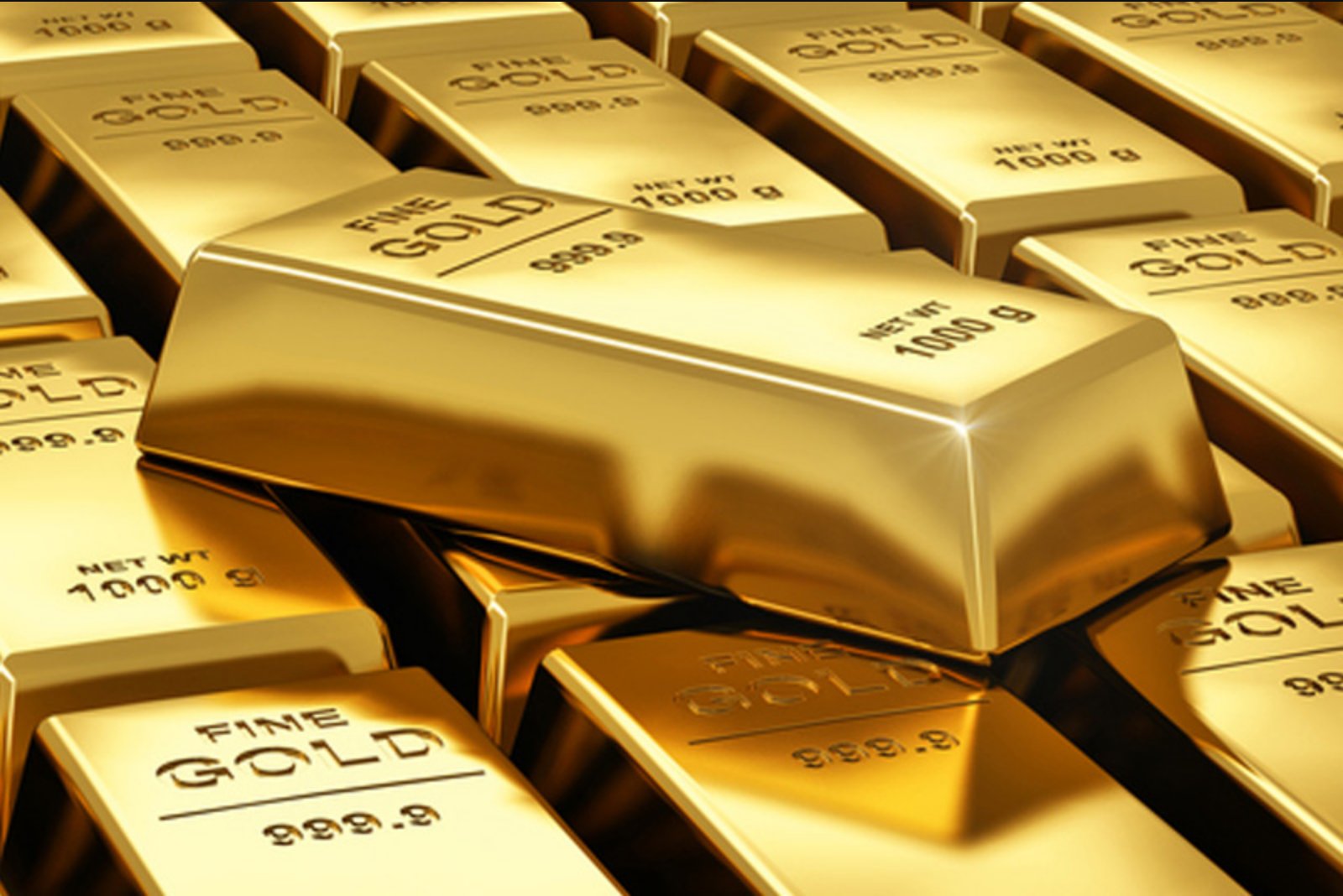
On the consumption side, aggregate gold demand in China increased by 4.41% year-on-year, reaching 303.29 tons in the quarter. However, high and unstable price levels reshaped the mix of that demand. Purchases of investment-grade products - specifically gold bars and coins - surged, with investment buying up 46.4% compared with the prior year. By contrast, the jewelry sector experienced a steep pullback, with consumption falling 37.1% as purchasers curtailed spending amid record valuations.
The People’s Bank of China continued to build official reserves during the quarter, adding 7.15 tons of gold. That addition brought China’s official holdings to 2,313.48 tons by the end of March, positioning the country as the world’s fifth-largest holder of official gold reserves.
The published figures reflect a divergence between domestic supply constraints and rising appetite for gold as a financial asset. Mine-level disruptions and safety-related stoppages reduced locally produced volume, while both private investment purchases and central bank accumulation supported stronger demand figures overall.
These developments underscore a shift in the consumption profile for gold in China during the opening quarter of the year: investment-oriented buying outpaced traditional jewelry demand, and state reserve accumulation continued alongside rising international output by domestic producers.