
U.S. President Donald Trump is scheduled to travel to Beijing this week for a summit with President Xi Jinping, and U.S. officials have said energy and agricultural deals are expected during the meeting. Much of the trade in those sectors continues to face Chinese tariffs that affect costs and trade flows.
Below is a detailed summary of the tariffs China currently applies to selected U.S. energy and agricultural goods, with an explanation of how each total rate is calculated:
- Crude oil - 20%
This includes a product-specific 10% tariff on U.S. crude oil announced in February, combined with a broader 10% additional tariff that China has applied to all U.S. imports.
- LNG - 25%
The total reflects a 15% tariff on U.S. liquefied natural gas announced in February, plus the 10% levy imposed on all U.S. imports.
- Propane and ethane - 11%
The 11% total comprises an existing 1% import tariff on propane and ethane and the 10% surcharge applied to all U.S. imports.
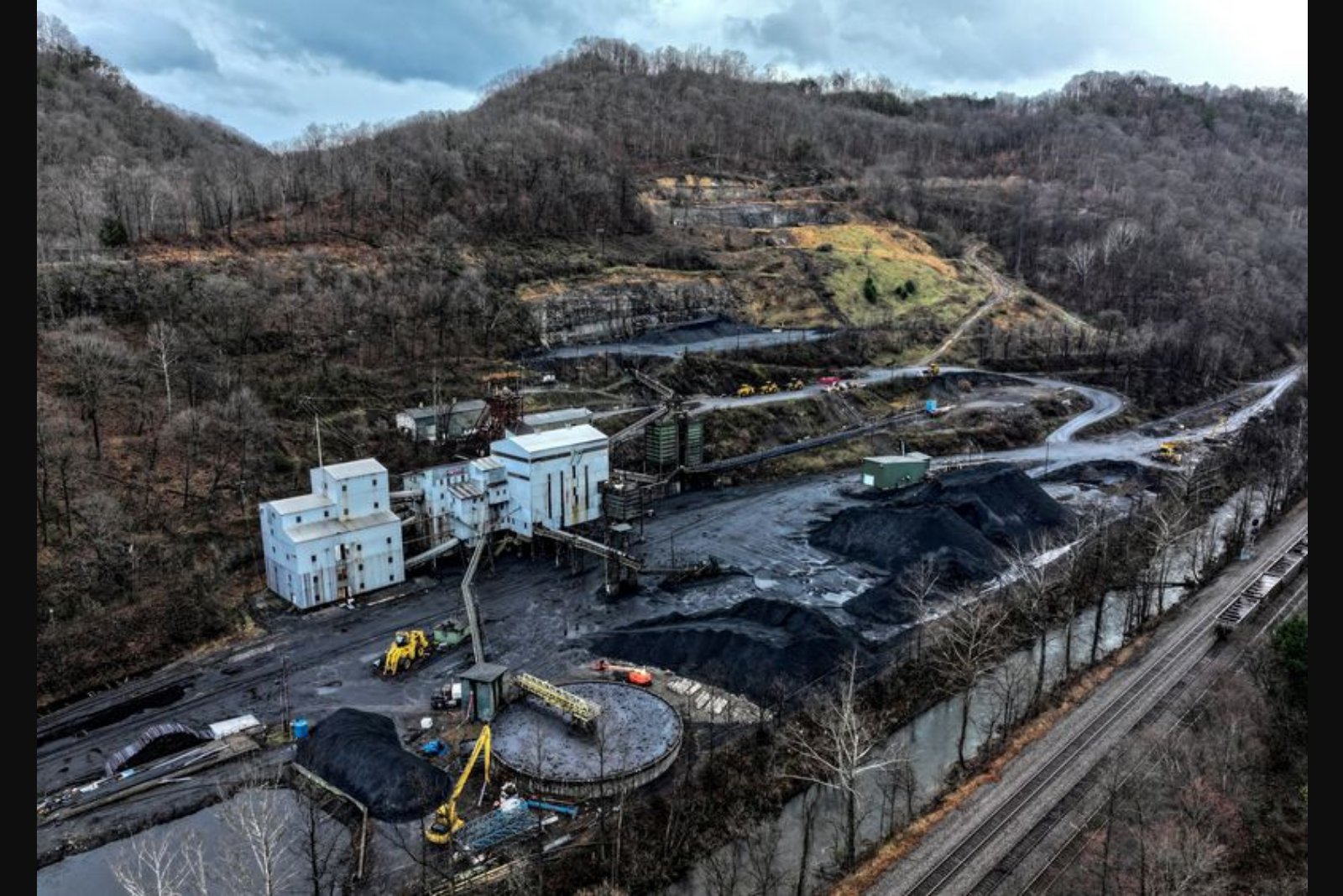
- Coal - 28% to 31%
The range reflects multiple components: China’s existing import tariff on coal varies from 3% to 6% depending on the coal’s volatile matter; a 15% retaliatory tariff on U.S. coal announced in February; and the 10% levy on all U.S. imports.
- Soybeans - 13%
China’s 13% rate on soybeans combines the 10% levy applied to all U.S. imports with a 3% most-favoured-nation tariff on soybean imports.
- Beef - 22% to 77%
The beef tariff outcome depends on quota status. It includes China’s 12% most-favoured-nation tariff on beef and the 10% levy on all U.S. imports. If imports exceed established quota levels, an extra 55% tariff applies under a system Beijing introduced in December to support its domestic cattle industry, producing a potential combined rate in the 22% to 77% range.
These levies combine standing import tariffs with retaliatory and broad additional tariffs applied to U.S. goods, producing the headline rates outlined above. The range on coal and on beef reflects variable elements - in coal, differences in the base import tariff tied to product characteristics; in beef, a quota-triggered extra duty.
For market participants and observers, these tariff compositions are central to understanding the immediate cost environment for U.S. exports to China in the affected categories. The figures above reflect announced measures and the broad 10% levy China has placed on all imports from the United States.
Note - This article presents the currently announced tariff rates and the components that produce the totals listed. It does not add or modify the underlying figures provided by official announcements.