
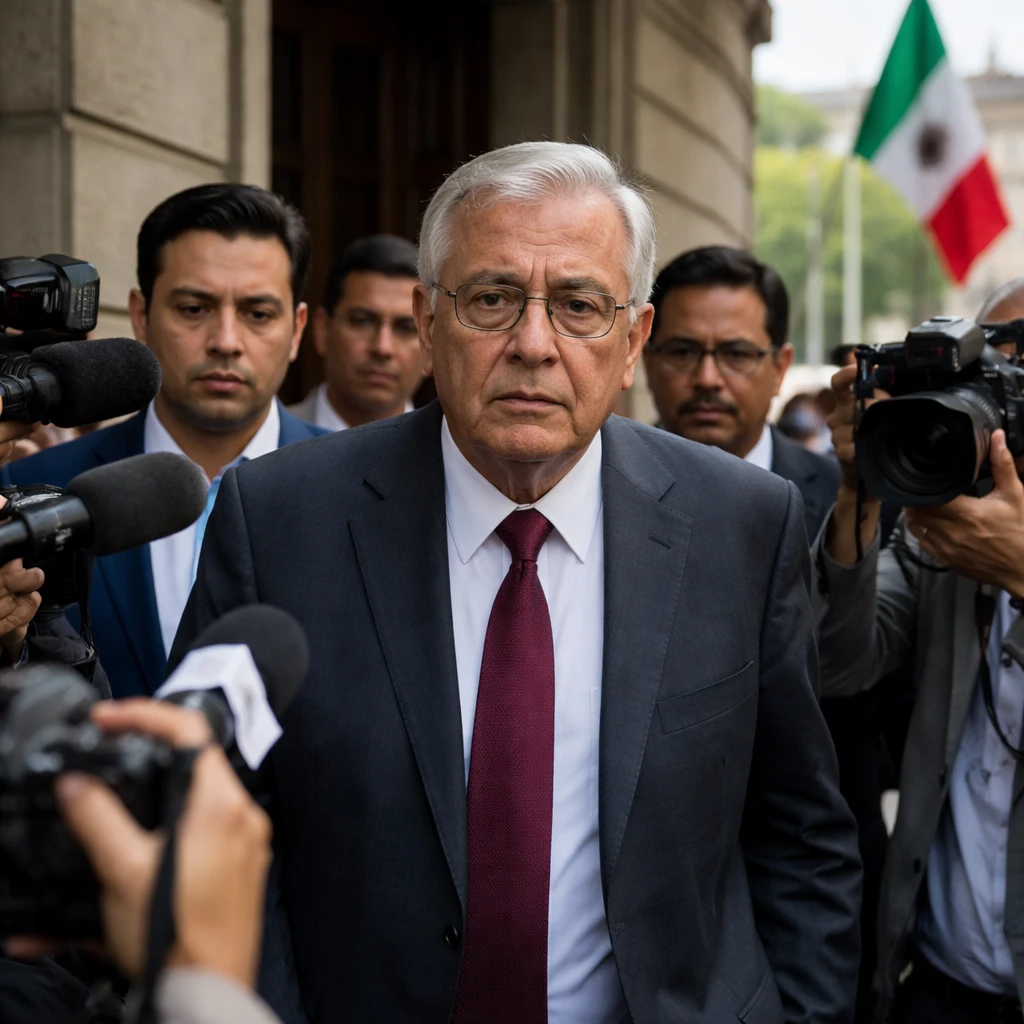
MEXICO CITY, Aug 22 - Sinaloa Governor Ruben Rocha, indicted by U.S. federal prosecutors on allegations of drug-trafficking, bribery and protecting cartel operations, filed a new request for a leave of absence on Saturday. The move came just days after Rocha returned to his gubernatorial post following a period of more than three months away from office.
Rocha's brief return to the governorship was met with swift criticism from both the federal government and leaders within his own Morena party, who accused him of placing private or personal considerations ahead of public responsibilities. The reaction intensified a public dispute over the propriety of his resuming duties while under a U.S. criminal indictment.
Earlier on Saturday, President Claudia Sheinbaum weighed in on the controversy with a post on X saying that "power without principles becomes arrogance," language that heightened attention on Rocha's actions. Rocha later issued a statement on X that affirmed his priorities, writing that "Sinaloa, the nation, and the transformation movement are above all else."
Rocha, 77, who is affiliated with Sheinbaum's Morena party, had returned to the governor's office on Friday after an absence exceeding three months that began following the U.S. drug-trafficking charges. The indictment, filed in April, named Rocha along with nine other current and former officials, accusing them of conspiring with a faction of the Sinaloa Cartel known as Los Chapitos.
According to the indictment, those accused allegedly assisted Los Chapitos in trafficking drugs into the United States in exchange for political support and payments described as bribes. U.S. authorities characterized the action as an unusual extension of anti-cartel efforts that reached beyond cartel leadership to include a serving senior Mexican politician.
Rocha has rejected the U.S. allegations, portraying the case as a politically driven attack on the broader movement associated with President Sheinbaum. The governor's renewed leave request and the public back-and-forth between him, the presidency and Morena party figures leave unresolved questions about how the legal case and political fallout will unfold.
Context and next steps
The sequence of events - an April indictment, a prolonged leave of more than three months, a return to office, and a subsequent leave request - frames a contentious chapter in state and national politics. Officials have made public statements on social media, and the dispute centers on governance, accountability, and the reach of U.S. legal action into Mexico's political ranks.
At present, public remarks from both the president and the governor underscore the political sensitivity of the situation, while the details of the legal proceedings and any official responses by Mexican authorities have not been set out in further detail in these developments.