
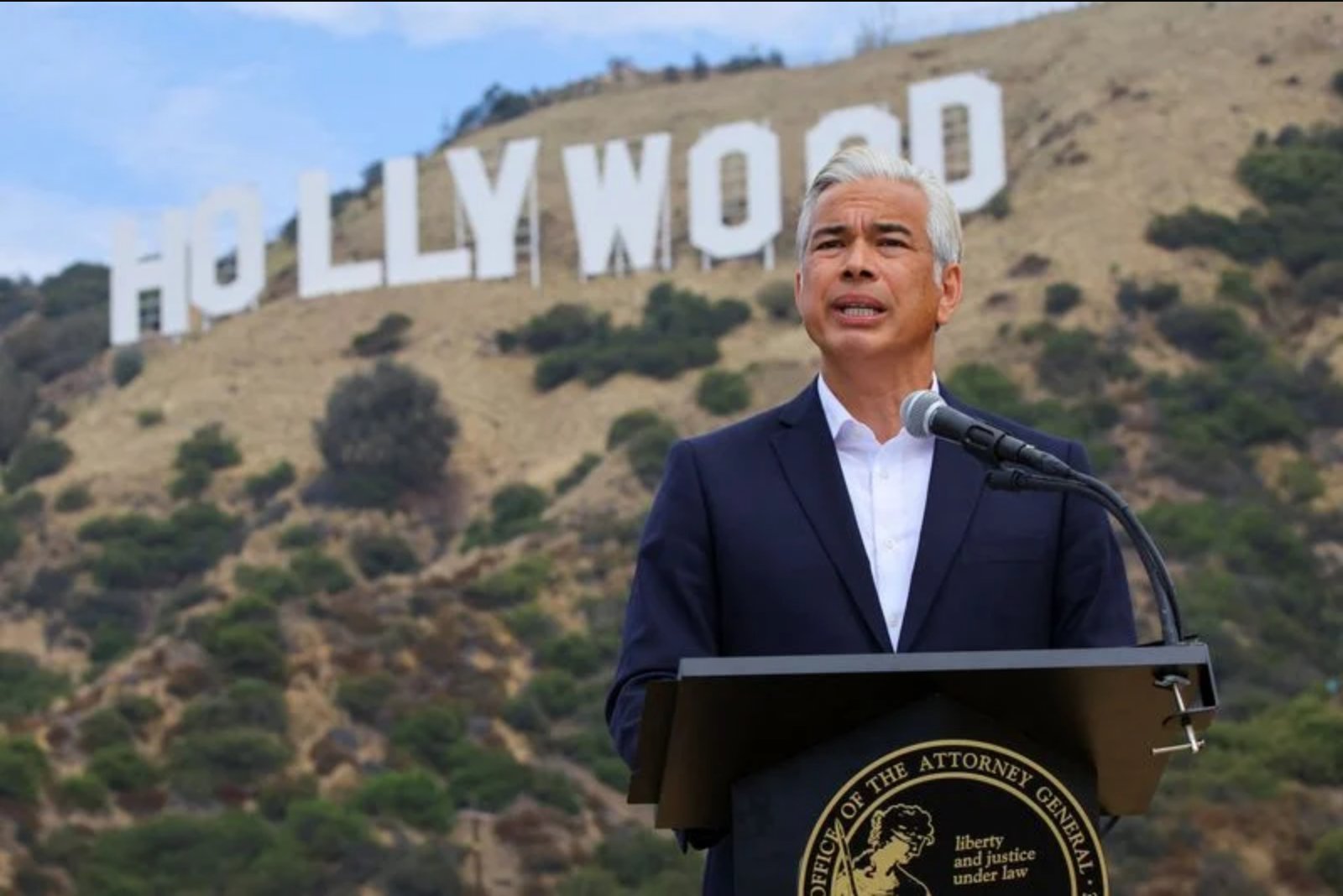
California and 11 other states have launched a legal challenge aimed at blocking Paramount’s proposed $110 billion acquisition of Warner Bros. Discovery, saying the transaction would concentrate market power in film distribution and basic cable and give the combined company leverage to raise prices for theaters, pay-TV distributors and consumers.
The suit, filed by state attorneys general who are all Democrats, contends the deal would produce a dominant media firm that could extract higher revenue from the distribution of wide-release films and from basic cable channels. In the complaint, the states argue:
"After this merger, for every dollar generated by wide-release theatrical films and basic cable channels in this country, the combined company will pocket more than a quarter," the states said in the lawsuit, adding, "This merger, in short, would create a media behemoth."
Paramount dismissed the challenge as a mischaracterization of settled antitrust principles and said the lawsuit misrepresents the nature of competition in the entertainment industry. The company has previously said the acquisition would allow it to achieve scale and intensify its rivalry with large streaming and entertainment competitors.
The multistate complaint underscores several specific market shares the states say would follow from closing the deal: 27% of the distribution market for films that appear on screens across the United States, 30% of blockbuster film distribution, and 27% of the market for basic cable channels. Those figures form the backbone of the states' claim that competition would be meaningfully reduced.
Labor groups and theater owners have voiced opposition to the deal. Hollywood workers warned that the merger could threaten jobs, while theater owners said it could reduce the number of films released. The states contend those harms would spread through state economies, affecting tens of thousands of writers, actors, film crews and related workers.
The U.S. Department of Justice cleared the transaction last month, concluding it would provide benefits to consumers and workers. But the states said federal approval does not preclude their action, and they have asked the court to prevent the deal from closing while the litigation is pending. If Paramount does not agree to delay the closing, the states said they will seek a court order to stop the merger from being consummated.
Paramount and Warner Bros. Discovery already compete for release dates and theater screens at thousands of cinemas nationwide, the complaint notes. The states argue that eliminating that competition - by bringing both companies under unified ownership - would remove incentives to keep distribution fees and ticketing arrangements competitive, with potential downstream price increases for theaters and moviegoers.
Pay-TV distributors, the states add, also rely on rivalry between the companies. Together, Paramount and Warner Bros. Discovery control major basic cable channels that include CNN, MTV, HGTV, Cartoon Network and Nickelodeon, and the suit asserts that consolidation would reduce bargaining leverage for distributors and raise costs for subscribers.
Eleven states joined California in the lawsuit: Arizona, Colorado, Connecticut, Massachusetts, Minnesota, Nevada, New Jersey, New Mexico, New York, Oregon, and Washington. Oregon Attorney General Dan Rayfield was quoted in the filing saying, "Despite the federal regulators rubber-stamping this bad deal, we’re stepping up to protect families, small businesses, and Oregon’s film industry."
The litigation is expected to play out over months, the states said, and could impose substantial costs on Paramount. Company officials have warned that delays could force renegotiation of financing terms, inject uncertainty into its stock price or even scuttle the transaction. Paramount has committed to pay roughly $650 million in fees to Warner Bros. Discovery shareholders each quarter if the deal does not close before October.
Paramount has maintained that the combination will produce more content, not less, and has outlined plans to cut about $6 billion by eliminating duplicate infrastructure, marketing and corporate roles. Company leadership has also pledged that the merged studios would release 30 movies a year. The states characterized that pledge as unenforceable and argued that even adherence to such a commitment would not prevent the combined company from raising prices and diminishing quality after the merger.
Financial market reactions were immediate: Paramount shares ticked higher after the lawsuit was filed and were reported up 2.9%, while Warner Bros. Discovery shares rose 2.6% on the news. The litigation introduces an added layer of uncertainty into the timetable for closing and the ultimate fate of a transaction that would reshape distribution dynamics across film and basic cable channels.
Summary of key elements:
- States argue the merger would give the combined company material control over film distribution and basic cable, enabling price increases.
- The lawsuit was filed by 12 Democratic attorneys general and requests that the deal be paused or blocked pending resolution.
- Paramount disputes the legal claims, warns of financing and timing risks from delays, and has promised increased production and cost reductions if the transaction closes.