
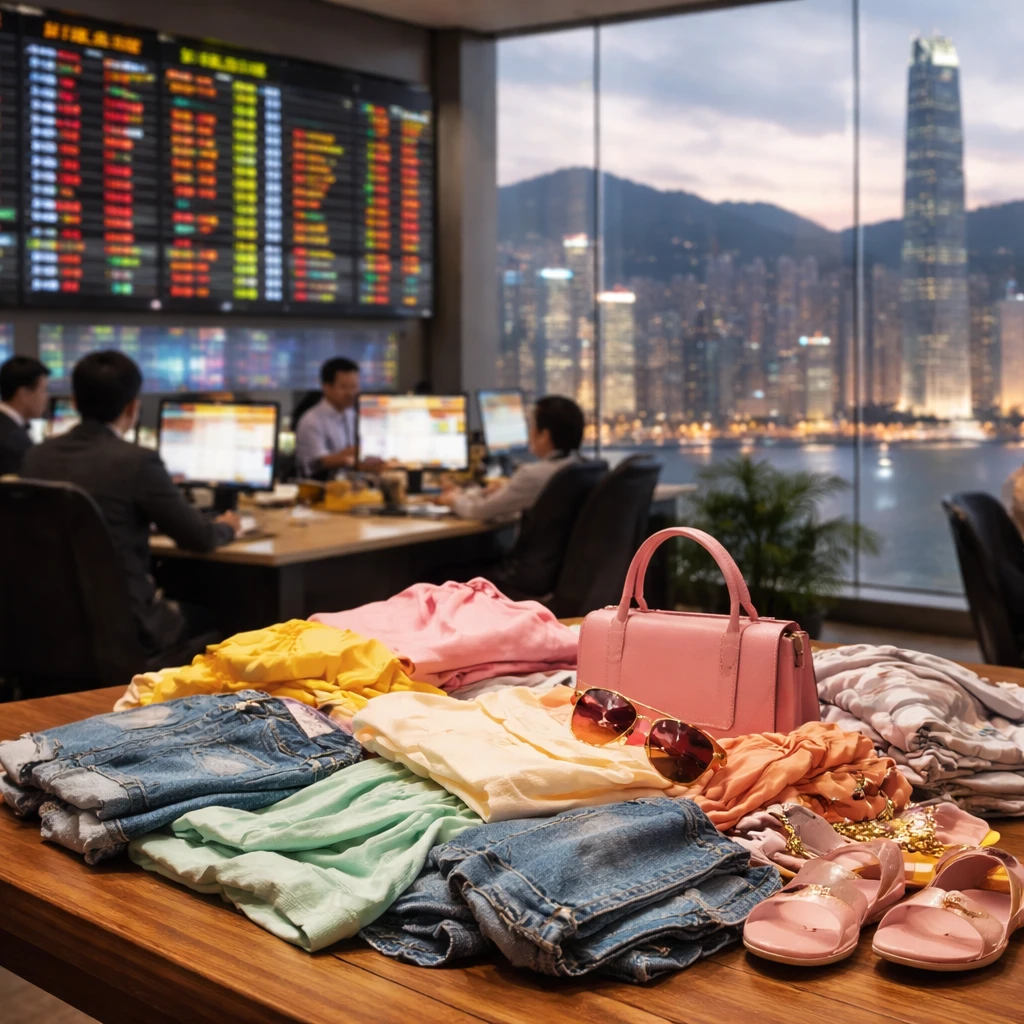
HONG KONG, Sept 1 - Shein’s shares were set to begin trading essentially unchanged as the company made its long-awaited entry onto the Hong Kong market on Tuesday. The tepid opening reflected a buildup of challenges that have previously delayed the listing and, according to market observers, weakened the underlying narrative for the company.
Known worldwide for ultra-low-priced garments - often advertised as $5 tops and $10 dresses - Shein has faced headwinds from changes to tariffs and duties in both the United States and Europe. Those policy shifts, combined with heightened scrutiny of its practices in Western jurisdictions, have been cited as factors that complicated earlier plans to list the business abroad.
At the peak of private-market enthusiasm in 2022, Shein was counted among the most valuable startups globally with an estimated private valuation of about $100 billion. By contrast, the price set at last week’s initial public offering assigned the firm a market valuation near $26.5 billion.
The company’s path to a public listing has been fractured. Previous efforts to list shares in New York and London were unsuccessful, constrained by intense examination of the company’s operations in Western markets and by interventions from Chinese authorities that impeded those plans.
The subdued opening in Hong Kong comes after that prolonged period of uncertainty and failed listing attempts. Market participants noted that the IPO’s pricing and the operational and regulatory questions that have surrounded Shein have combined to temper investor enthusiasm at the time of debut.
Contextual note - The company’s widely reported prior private valuation, the IPO valuation and the account of listing attempts and regulatory scrutiny are all matters that informed the market reaction to the debut.
What follows are concise takeaway points and identified risks related to the listing and its wider market implications.