
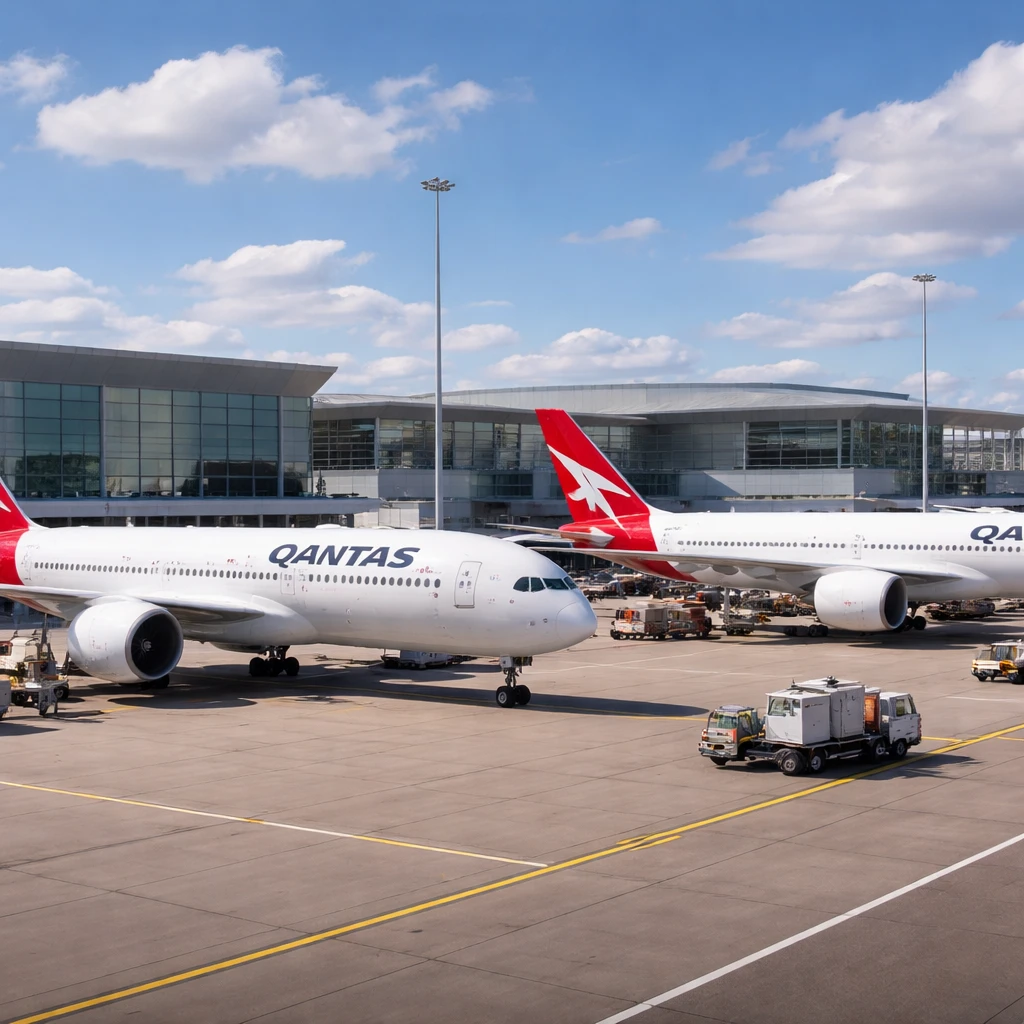
Qantas Airways is edging toward awarding the majority of an order for roughly 20 long-range aircraft to Boeing, while still expected to include a selection of Airbus jets, according to people familiar with the matter who spoke to Bloomberg. The proposal would pair more fuel-efficient Boeing 787 Dreamliners with some Airbus A350s, though the carrier has not yet finalised any decision and circumstances could change.
The potential purchase is one element of Qantas' wider widebody fleet planning, which includes retiring older Airbus A380 aircraft and expanding operations using newer, more fuel-efficient long-haul models. The airline's fleet strategy has taken on greater urgency amid a period of rising fuel prices linked to the conflict involving Iran, increasing the operational importance of higher-efficiency aircraft on long-distance routes.
Qantas confirmed it was still in talks with manufacturers and had made no final decisions. In a statement to Bloomberg, the carrier said: "We are still in discussion with the relevant aircraft manufacturers as part of our widebody fleet planning and no decisions have been made." Boeing declined to comment directly and referred questions back to Qantas, while Airbus said it does not comment on commercial discussions with customers.
The reported order would add to Boeing's recent streak of commercial aircraft wins noted by Bloomberg. The U.S. planemaker has recently secured a major order from a large Chinese airline and won a widebody aircraft deal from Malaysia Airlines, its first with that carrier since 1995, according to the same reporting.
At present, Qantas operates a long-range fleet that is centred on the Airbus A350, including an ultra-long-range A350 variant configured for flights up to 22 hours. The airline has also been expanding operations with the Boeing 787 Dreamliner. The mix of aircraft under consideration reflects a balance between the A350's ultra-long-range capability and the 787's fuel efficiency for long-haul services.
Airlines globally are reassessing fleet composition and operating costs amid volatile fuel markets. Newer-generation widebody airframes typically offer improved fuel burn and efficiency on long-distance sectors, an economic consideration that has become more prominent for Qantas due to upward pressure on fuel costs tied to regional geopolitical friction.
Context and implications
The reported deal, if finalised in the form described, would strengthen Boeing's recent commercial momentum while leaving room for Airbus to maintain a presence in Qantas' long-haul fleet through additional A350 deliveries. For Qantas, the acquisition would form part of a multi-year transition to more efficient aircraft and the systematic phase-out of A380s.
However, no binding agreement has been announced and Qantas continues to negotiate terms with manufacturers. The airline and both planemakers have maintained limited public comment while discussions remain underway.