
Stock Markets July 6, 2026 04:40 PM

Jefferies Raises Concerns Over Indonesia Policy Despite Nickel Industries HPAL Acquisitions

Broker says recent stake purchases increase HPAL exposure but flags Indonesia's export and commodity policy as a material uncertainty

By Ajmal Hussain
Share
Twitter Reddit Facebook LinkedIn
NIC

Jefferies has kept a cautious view on Nickel Industries (ASX:NIC) even after the company completed a series of stake purchases that raise its attributable exposure to high-pressure acid leaching (HPAL) projects in Indonesia. While the brokerage accepts the deals can be accretive, it warned that Indonesia's policy approach - described as "capricious" - and plans to centralize exports of key commodities could create regulatory headwinds.

Jefferies Raises Concerns Over Indonesia Policy Despite Nickel Industries HPAL Acquisitions
NIC
Summarize with
ChatGPT Perplexity Claude Grok Gemini

Key Points

  • Nickel Industries acquired a 17.5% stake in PT Teluk Metal Industry’s HPAL project and a 36% interest in PT Chengsheng New Energy HPAL, yielding an effective 18% stake in the Sampala project.
  • Jefferies recognizes the deals as potentially accretive for Nickel Industries but remains cautious because it views Indonesia's policy regime as "capricious."
  • The broker highlighted Indonesia’s plans to centralize exports of key commodities, including coal and ferroalloys, as a policy move aimed at increasing government revenue and a potential source of uncertainty for resource companies.

Jefferies has reiterated a conservative stance toward Nickel Industries (ASX:NIC) despite the miner’s recent moves to increase its interest in Indonesian HPAL projects. The broker acknowledged that the transactions add meaningful attributable HPAL exposure for the company but flagged national policy developments in Indonesia as a source of concern.

In June, Nickel Industries announced a 17.5% acquisition in PT Teluk Metal Industry’s High-Pressure Acid Leaching project. The company also acquired a 36% stake in PT Chengsheng New Energy HPAL, which results in an effective 18% interest in the Sampala project in Indonesia.

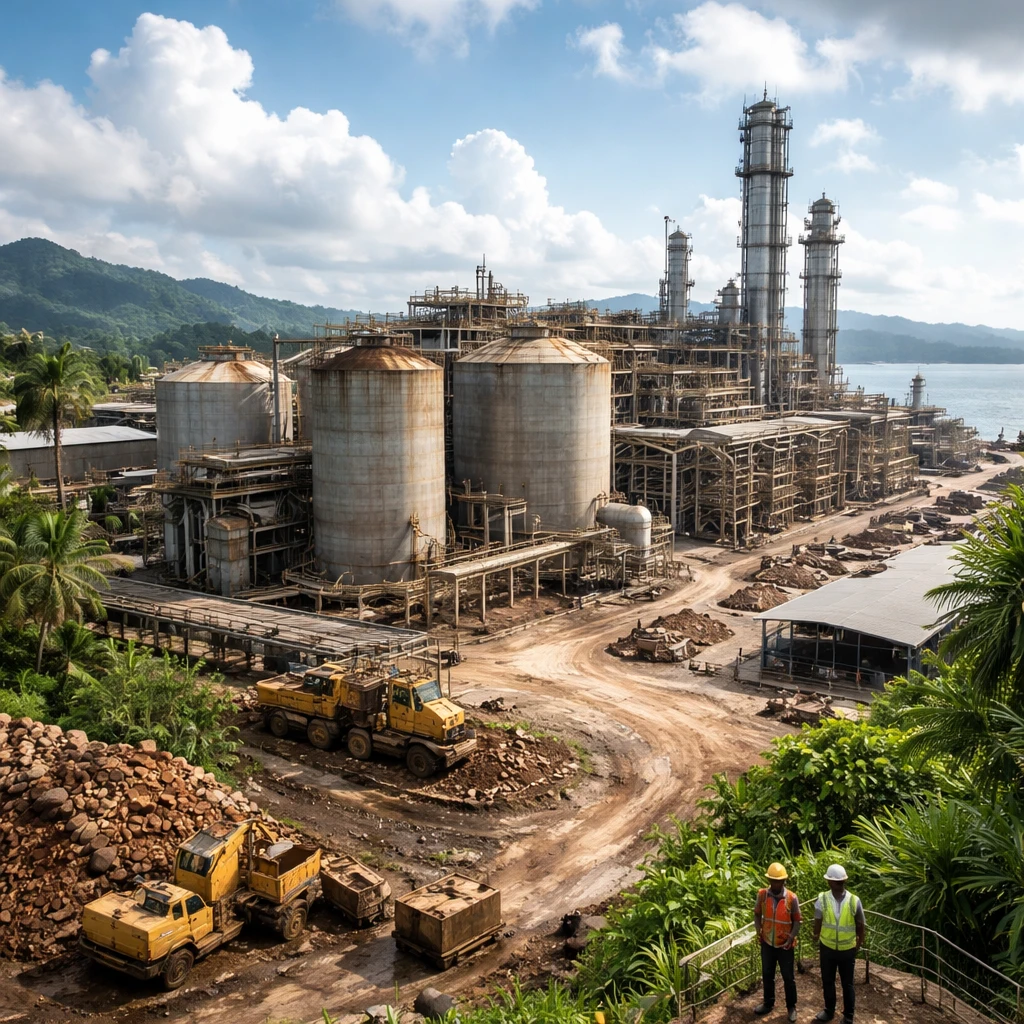
Jefferies noted these purchases represent some of the last opportunities for Nickel Industries to expand its attributable HPAL footprint. HPAL technology uses high-pressure sulfuric acid leaching to extract nickel and cobalt from low-grade laterite ores, a process the broker reiterated when describing the strategic nature of the deals.

While the brokerage conceded that Nickel Industries is capable of striking deals that are accretive to the company, it remained wary of Indonesia’s policy regime. Jefferies characterized that regime as "capricious," emphasising that recent government planning includes moves to centralize exports of certain commodities.

According to Jefferies, Indonesia’s plans to centralize exports of key commodities - including coal and ferroalloys - are intended to increase government revenue. The broker suggested that such policy shifts could shift the operating environment for companies with exposure to Indonesian resources.

The brokerage’s view therefore balances the commercial logic of Nickel Industries’ HPAL investments with an elevated concern about regulatory and export-policy risks emanating from Indonesia. Investors and market participants watching the mining and commodities sectors may weigh the potential for accretive asset additions against the uncertainty stemming from government policy choices.


Summary

Jefferies maintained caution on Nickel Industries despite new HPAL stakes in Indonesia, citing the country’s shift toward centralized commodity export policies and a policy environment it described as capricious. The broker acknowledged the transactions increase Nickel Industries’ attributable HPAL exposure and can be accretive, while warning of regulatory risks.

Impact areas: Mining sector, commodities markets, corporate capital allocation in resource projects.

Risks

  • Policy volatility in Indonesia - Jefferies explicitly described the country's policy regime as "capricious," creating regulatory uncertainty for mining and commodity firms.
  • Centralization of commodity exports - Indonesia's plan to centralize exports of key commodities, including coal and ferroalloys, could alter market access and revenue flows for exporters and resource companies.
  • Project concentration risk - As these acquisitions represent some of the last avenues to expand attributable HPAL exposure for Nickel Industries, there is risk tied to the company's concentrated position in HPAL assets within a changing policy environment.

More from Stock Markets

HHS Announces Over $281 Million for Addiction, Overdose and Mental Health Programs Jul 6, 2026 Exyn Technologies Posts Q1 2026 Results After Nasdaq Listing Jul 6, 2026 Mexican Equities Climb; S&P/BMV IPC Advances 0.61% on Monday Jul 6, 2026 Rivian announces 75 million share offering; stock falls after hours Jul 6, 2026 Colombian equities slip as select financial and utilities names weigh on the market Jul 6, 2026