
Honda Motor Co Ltd has instructed its supply chain to implement significant price reductions as it pursues more than 1.5 trillion yen in cost savings by 2030, according to internal documents and people with direct knowledge of the matter. The initiative, disclosed in documents reviewed for this report and confirmed by two anonymous sources, is intended to bolster Honda’s competitiveness as Chinese electric vehicle makers expand their global footprint on the back of low prices and advances in software and battery technology.
Company materials and the people said Honda’s cost-cutting objective would exceed $9 billion over the next four years. The automaker has also told suppliers to focus on steep reductions in three specific categories: pressed and forged components, electrical parts, and components tied to software-defined vehicles, with a target reduction of roughly 30 percent in those areas. The documents describe the aim as a way to help Japan’s suppliers better match the pricing of Chinese rivals.
Honda’s request for deep cuts included guidance that direct or "tier-one" suppliers re-examine their procurement methods and increase the adoption of standardised parts sourced from second- and third-tier suppliers. The company also signaled it would examine greater use of Chinese-made components in its supply chain, the documents showed.
In a written reply to questions, a Honda spokesperson declined to provide details on specific cost-reduction targets or the content of discussions with suppliers. The spokesperson did say the company was working with suppliers globally to improve competitiveness and reduce costs, including through the use of standardised parts.
Spring meeting with suppliers
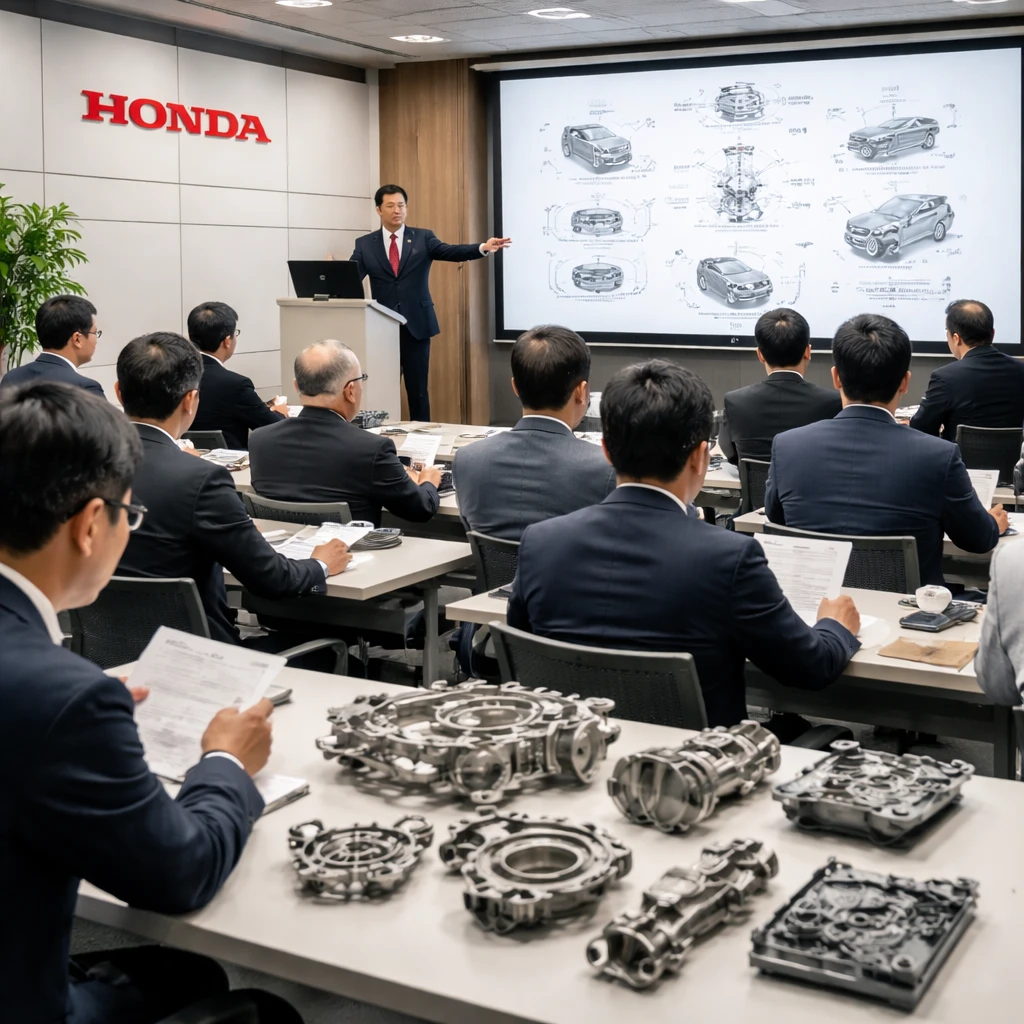
According to the documents and the people interviewed, Honda convened a meeting in the spring at a convention centre in Utsunomiya, north of Tokyo near the automaker’s R&D facility, to brief major suppliers on the cost program. It was not specified how many suppliers attended. Following the gathering, Honda provided company-specific targets to suppliers and pressed for changes in procurement and component sourcing.
One source described the targets as "extremely large" and said it was not immediately clear whether they could be met. Another source said that prior to the spring meeting Honda had not signalled an urgent need for aggressive cuts, but that the tone shifted and now appeared to leave "no room for delay."
Financial backdrop and strategic shift
Honda is attempting to stabilise a car business facing mounting pressure. Internal documents show the company expects EV-related losses to ultimately exceed $12 billion. In May, Honda reported its first-ever annual loss as a publicly traded company. Those results have prompted a strategic redirect toward gasoline-electric hybrid vehicles while the company manages the financial hit from its EV investments.
At the same time, the documents note increased competition from Chinese EV makers such as BYD, which are winning market share in Southeast Asia, Latin America and Europe with competitive pricing supported by advanced battery and software capabilities. In response, Honda managers have sought both cost reductions and standardisation to make Japanese parts suppliers more price-competitive.
Honda and Nissan said on Monday they will jointly develop standardised electronic control units for software-defined vehicles and aim to roll out an architecture using them from the 2029 financial year. The move aligns with Honda’s supplier directives emphasizing SDV-related parts as a target for cost cuts.
Leadership and industry pressures
Honda CEO Toshihiro Mibe, who won support for reappointment to the company’s board in June, has faced pressure from former executives over the company’s performance, the documents showed. Last year, Honda and Nissan ended merger talks that would have brought the companies closer together.
Beyond competition from China, Honda and other automakers cited in the documents are contending with additional headwinds, including U.S. import tariffs, rising labour costs, and the growing need to invest heavily in research and development as vehicles become more technologically advanced. Those factors are increasing costs across the industry and heightening the urgency of Honda’s supplier cost program.
What the company told suppliers
According to the reviewed materials, suppliers were urged to expand their own use of Chinese components where feasible and to employ standardised parts more widely to lower expenses. Honda’s strategy includes pushing tier-one suppliers to revise procurement practices and take advantage of standardisation opportunities at the lower tiers of the supply chain.
Honda’s effort to secure substantial cost reductions comes as the company manages the financial consequences of its EV strategy while seeking to defend market share against lower-cost global competitors.
This article is based on a review of internal company documents and interviews with two people familiar with the matter, both of whom asked not to be identified because the information is not public.