
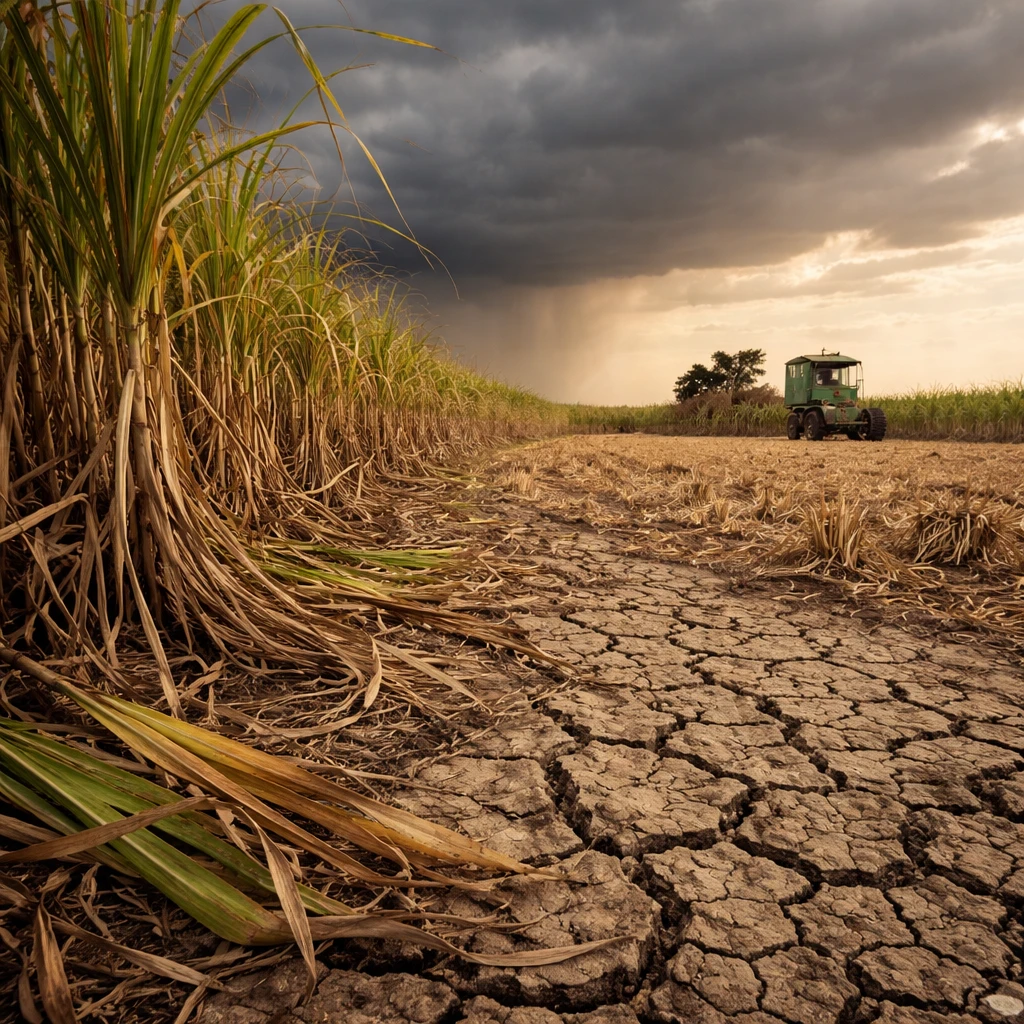
Goldman Sachs said a Super El Niño weather pattern poses a material risk to global sugar exports, noting that about 70% of the world's traded sugar is supplied by Brazil, India, and Thailand - regions that can be significantly affected by El Niño-related drought and flood conditions.
The bank set out four principal channels through which El Niño could lower the amount of sugar available for export.
- Yield declines from drought during the growing season - Drier conditions while sugarcane is growing can reduce cane yields, lowering the quantity of cane harvested per hectare and thus diminishing raw material available for sugar production.
- Harvest disruptions and quality losses from floods - Heavy rains during harvest windows can impede harvesting operations and decrease the sugar content of harvested cane, which reduces sugar output even if cane tonnage remains relatively high.
- Feedstock substitution to ethanol production - If El Niño weakens corn crops via drought, corn-based ethanol supplies would tighten, potentially increasing demand for sugarcane as an ethanol feedstock. That conversion of cane into ethanol would leave less sugar available for export markets.
- Policy responses including export controls - Anticipation of production shortfalls may prompt countries to impose precautionary export restrictions. Goldman regards such trade measures as a more significant threat to global sugar availability than the potential crop losses themselves.
The El Niño episode Goldman references is expected to span June 2026 through May 2027, and the bank calls out specific monitoring windows within that period.
In the near term, through October 2026, Goldman points to Brazil's ongoing harvest as the principal downside risk to prices - specifically the potential for sugar content to recover. Heavy rainfall through June had depressed sugar content despite robust cane volumes, though rainfall levels have moderated since then. A recovery in sugar content during the remainder of the harvest could ease immediate upward pressure on prices.
From October 2026 through April 2027, attention shifts to the Brazilian 2027 sugarcane growing season. Goldman warned that drought during that growing season could cut cane volumes harvested from April through October 2027, reducing supply available for processing and export.
Goldman also highlighted the January through April 2027 period as critical for Brazil's corn crop. Drought during Brazil's corn growing season could weaken the corn harvest expected from April through September 2027. A weaker corn crop would likely elevate sugarcane demand for ethanol production, diverting cane away from sugar and thereby tightening exportable sugar supplies.
The bank noted India as a particular policy and market-watch example. India has already banned sugar exports through September 2026 and removed import duties on sugar, actions that signal a willingness to prioritize domestic supply. Given India accounts for roughly 6% of global sugar exports, Goldman flagged the possibility that India could transition from a significant exporter toward being a net importer during this period.
Overall, Goldman's assessment frames the El Niño threat as multifaceted - combining agronomic yield risks, quality impacts during harvest, feedstock competition with ethanol, and the specter of trade policy responses. The bank emphasizes the importance of monitoring rainfall and crop conditions in Brazil, India, and Thailand across the specified windows to gauge how exportable sugar volumes may evolve through mid-2027.
Key periods to watch:
- Through October 2026 - sugar content recovery in Brazil's current harvest.
- October 2026 through April 2027 - Brazil's 2027 sugarcane growing season and potential drought impacts on volumes harvested April-October 2027.
- January through April 2027 - Brazil's corn growing season, with possible downstream effects on sugarcane use for ethanol and exportable sugar volumes April-September 2027.