
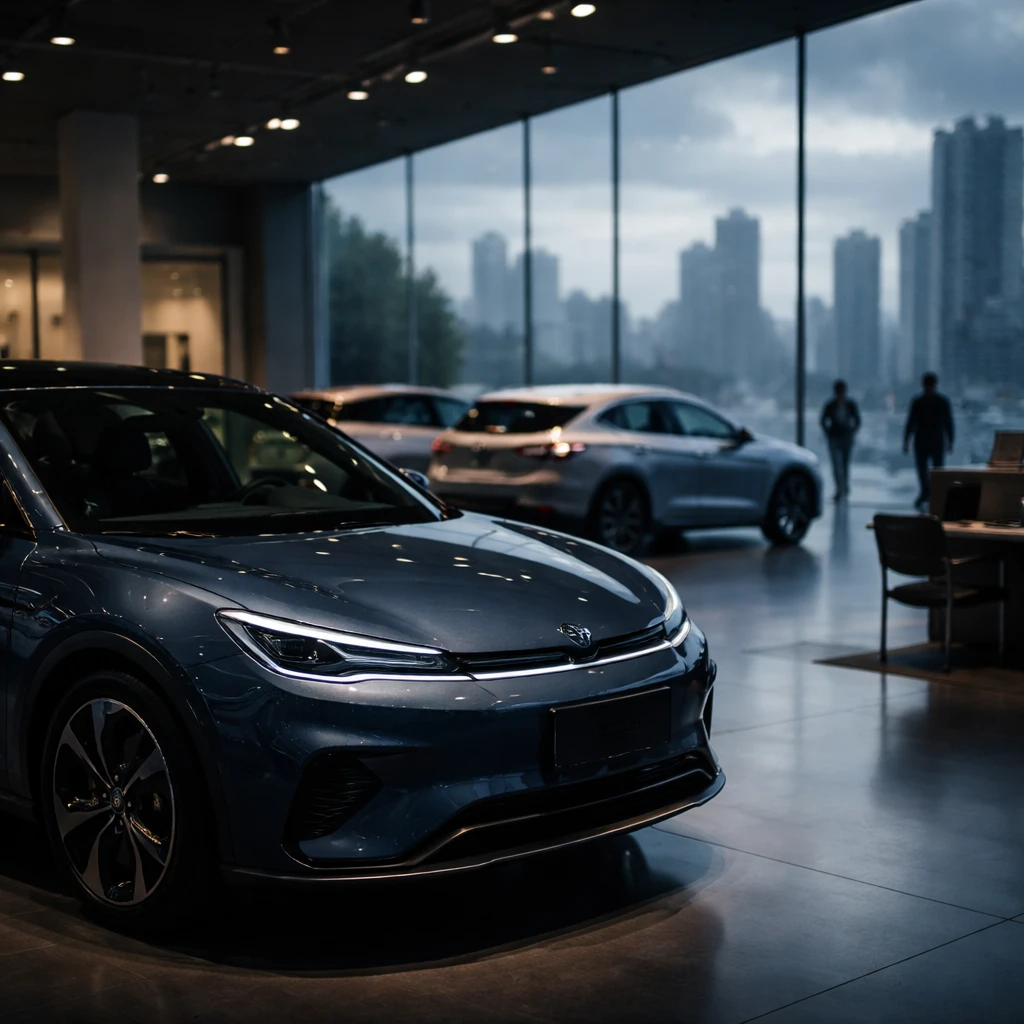
BYD shares slid 5.5% to HK$86.90 after the company's first-half 2026 results revealed sustained pressure in its core domestic market. The automaker reported net profit attributable to shareholders of 12.33 billion yuan for the first half, a 20.5% decrease from the prior year, while revenue for the period fell 7.1% to 344.82 billion yuan.
The results reflected the sharp margin and volume challenges triggered by an industry-wide price war. That pricing pressure followed a rollback of key consumer trade-in subsidies by Beijing, prompting electric vehicle manufacturers to cut vehicle prices aggressively in order to preserve sales volumes.
There was a partial positive development within the reporting period: BYD's second-quarter net profit increased 30% year-on-year to 8.2 billion yuan. However, that quarterly improvement was insufficient to counterbalance the headline decline across the full first half of the year.
Company management explicitly pointed to sluggish domestic demand and intense competitive dynamics in China, even as it noted continued growth in overseas expansion and in premium sub-brands, including Denza and FANGCHENGBAO. Those areas showed progress but did not erase the broader earnings setback reported for H1.
Market response was immediate. BYD was among the largest downward contributors to the Hang Seng Index on the day, with the benchmark sliding as much as 0.9% while the stock itself dropped 5.5%. The share move underscores investor sensitivity to signs of weakening demand and margin compression in China's EV sector.
The earnings release illustrates a mixed operating picture: a notable sequential or quarterly recovery in profitability contrasted with a weaker cumulative performance for the first half. Management commentary and the company's continued focus on overseas markets and higher-end sub-brands indicate strategic efforts to find growth pockets amid tough domestic competition.
Investors and market observers will likely continue to watch how the company balances price competition, demand trends in China, and the expansion of premium offerings and international sales in the coming periods.