
Stock Markets April 30, 2026 01:20 AM

ArcelorMittal Tops Estimates as EU Trade and Carbon Measures Lift Prices

First-quarter core earnings beat consensus as European policy shifts and higher steel prices improve profitability prospects

By Maya Rios
Share
Twitter Reddit Facebook LinkedIn
MT

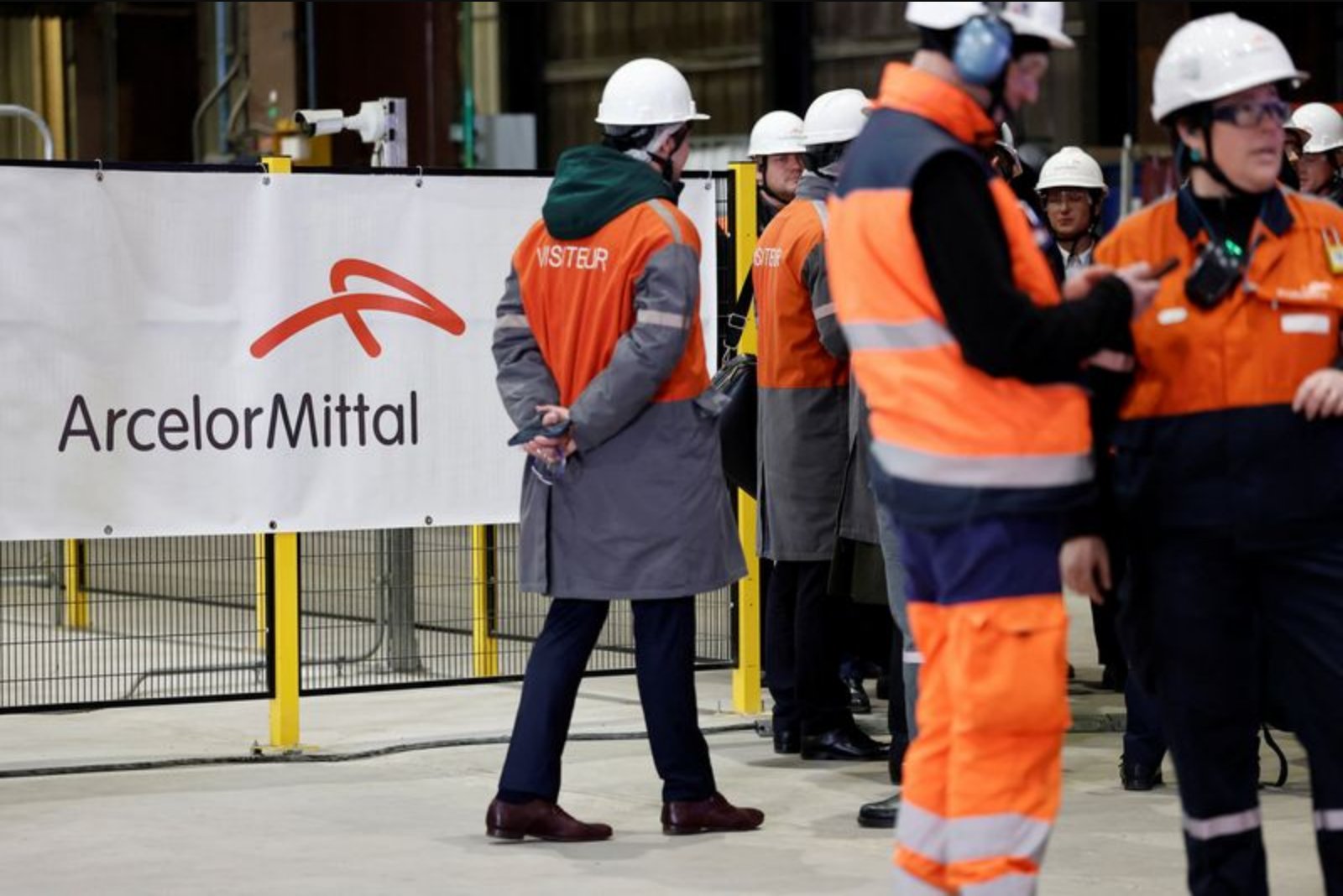
ArcelorMittal reported first-quarter core earnings of $1.68 billion, narrowly above analyst expectations of $1.65 billion. The company attributed the improvement to stronger steel prices and better North American operations, and cited European policy changes - including a levy on high-carbon goods and new trade limits - as drivers of higher EU steel prices and improved industry capacity utilization.

ArcelorMittal Tops Estimates as EU Trade and Carbon Measures Lift Prices
MT
Summarize with
ChatGPT Perplexity Claude Grok Gemini

Key Points

  • ArcelorMittal reported first-quarter core earnings of $1.68 billion, beating the LSEG-backed analyst average of $1.65 billion.
  • EU policy changes - a levy on high-carbon goods and a trade policy to halve imports into the bloc starting in July - and higher energy prices have helped push European hot rolled coil prices about 22% higher in the past six months.
  • Improved performance in North America and firmer European prices are expected to raise capacity utilization and support profitability and returns on capital for steel producers.

ArcelorMittal, the world’s second-largest steel producer, posted core earnings for the first quarter of $1.68 billion, a result that slightly exceeded analysts' average forecast of $1.65 billion, according to LSEG data. The Luxembourg-headquartered company said higher steel prices and improved performance in its North America business were key contributors to the better-than-expected result.

In its earnings statement, CEO Aditya Mittal said: "The fundamentals of the business have improved over the past three months, driven in particular by the favourable structural reset in the European policy environment." The company pointed to measures introduced by EU policymakers - notably a levy on high-carbon goods and a trade policy aimed at halving imports into the bloc - as important influences on market dynamics.

Those EU measures, which are set to come into place from July, have coincided with a notable rise in regional prices. ArcelorMittal noted that European hot rolled coil prices have climbed by about 22% over the past six months. The company said that lower import volumes will support higher capacity utilization across the region, helping to restore profitability and returns on capital to healthier, more sustainable levels.

ArcelorMittal also highlighted that, despite the price rebound, overall demand remains below 2022 levels. The company said the sector appears poised for recovery because steel prices in the European Union have risen faster than expected in recent months, a trend it linked to both the EU’s safeguards and higher energy costs.

From an operational perspective, the combination of firmer prices and an uptick in North American business performance underpinned the quarter’s core earnings beat. ArcelorMittal framed the price improvement and reduced import competition as structural changes that should support margins via improved capacity utilization and returns on invested capital.


Context and implications

The company’s results and commentary underscore the influence of policy and commodity price shifts on steel producers’ near-term cash flow prospects. ArcelorMittal emphasized that the European policy reset has materially affected market pricing and that the anticipated import reductions should help the sector move back toward sustainable profitability levels.

Risks

  • Demand for steel remains below 2022 levels, which could limit the durability of the sector's recovery - this affects steelmakers and downstream manufacturing sectors.
  • The positive price and utilization outlook depends on EU measures that are set to take effect from July; outcomes will hinge on the implementation and actual impact of those policies - this impacts EU steel supply and trade-exposed industries.
  • Higher energy prices are cited as a factor in recent price gains, creating exposure for producers and consumers to energy cost volatility - this affects both energy-intensive steel producers and energy markets.

More from Stock Markets

SoftBank Shares Jump on Arm Rally and Strong Telecom Quarter Aug 5, 2026 Ibiden Shares Jump After Strong Q1 Results and Large Guidance Upgrade Aug 5, 2026 SpaceX Lockup Expiry Poses Immediate Test for Investor Demand Aug 5, 2026 Asian Markets Rebound as AI-Focused Tech Stocks Rally; Japan and South Korea Lead Gains Aug 5, 2026 USD/JPY Intervention: Defining Levels and Paths After Rare Joint Yen Defense Aug 5, 2026