
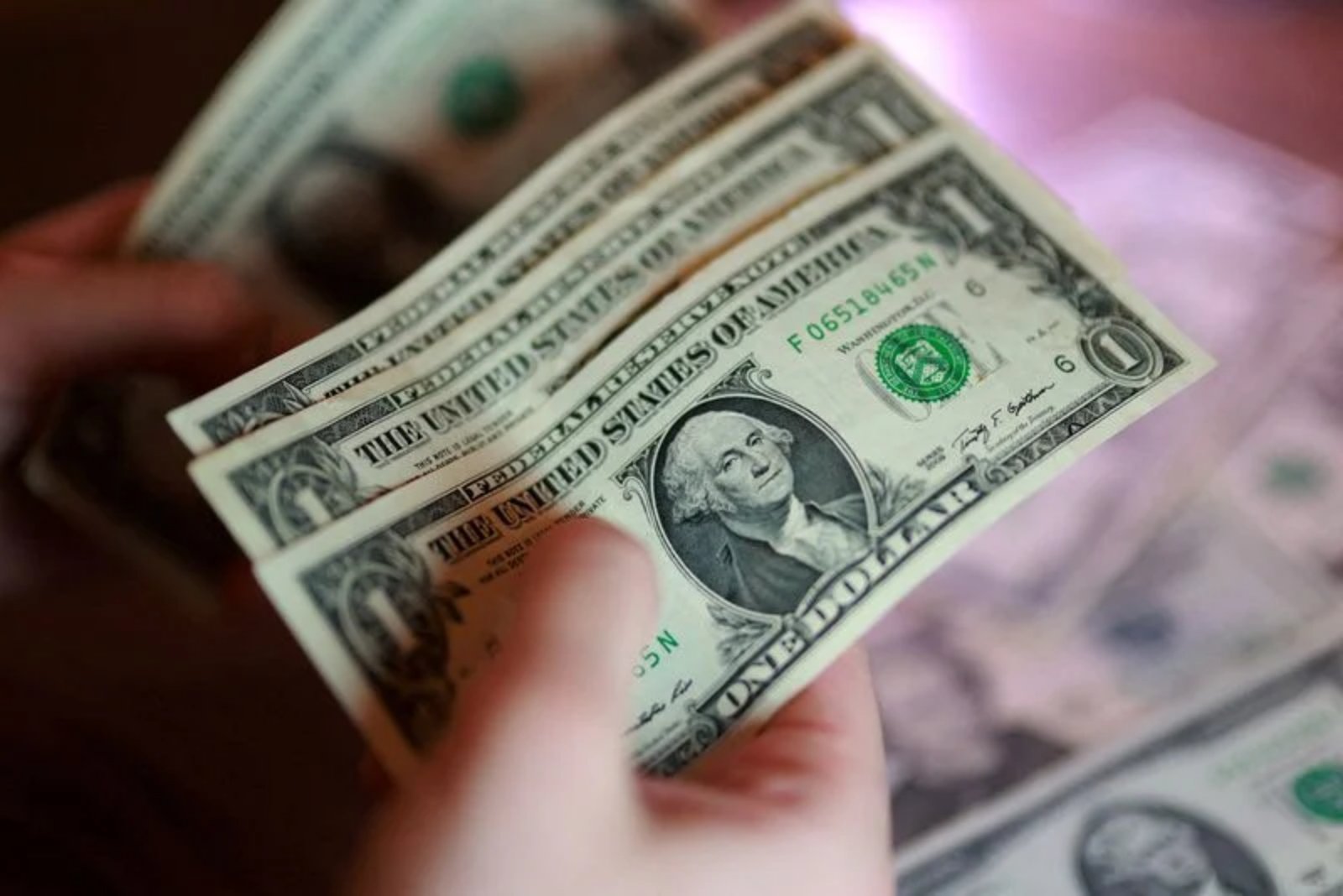
The U.S. dollar is positioning itself for its most significant monthly advance in nearly twelve months. Trading action on Monday showed the dollar holding firm despite initial selling pressure, as investors digest escalating geopolitical friction and await critical economic indicators. The convergence of Middle East tensions and impending employment figures has solidified safe-haven demand for the greenback.
Geopolitical dynamics have intensified following fresh diplomatic exchanges between the U.S. and Iran over the weekend. Although both nations have agreed to halt retaliatory strikes and convene for negotiations in Qatar on Tuesday, the fragile nature of this potential ceasefire continues to weigh on market sentiment. Oil markets reacted swiftly to these developments, with prices climbing after renewed attacks disrupted energy shipping through the strategically vital Strait of Hormuz. This disruption has reinforced the dollar's appeal as a primary refuge for capital seeking stability amid volatility.
Against the euro, the dollar maintained parity near $1.1387, following a recent slide to a thirteen-month low last week. Despite this prior weakness, the dollar is projected to capture a 2.3% monthly increase against its European counterpart. Sterling faced similar downward pressure, trading slightly lower at $1.3198 and tracking a 2% decline for the month. Risk-sensitive currencies experienced more pronounced erosion. The Australian dollar fell 0.1% to $0.6885 in early trading, while also trending toward a 4.1% monthly drop. The New Zealand dollar remained largely static at $0.5635, yet still registered a steep 5.9% monthly decrease. The Japanese yen continued to struggle near a forty-year low, trading at 161.75 per dollar.
The dollar index, which tracks the greenback against a basket of major currencies including the yen and the euro, edged higher to 101.36. This movement places the index on course for a 2.5% gain in June, marking the largest monthly advance since July of the previous year.
Broader macroeconomic factors are further supporting the dollar's ascent. Persistent inflationary pressures linked to the ongoing conflict with Iran are complicating the monetary policy landscape. This environment was compounded earlier this month by a surprisingly hawkish policy stance from Federal Reserve Chair Kevin Warsh during his debut, which shifted market expectations away from anticipated U.S. rate cuts this year. Additionally, a global equity selloff, largely driven by technology sector weakness, is channeling additional investment flows into the dollar as investors prioritize capital preservation.
Market participants are now closely monitoring upcoming U.S. non-farm payroll and unemployment data released this week. These indicators are expected to provide crucial insights into the resilience of the American labor market and inform the Federal Reserve's future policy trajectory.
Joseph Capurso, head of foreign exchange at Commonwealth Bank of Australia, emphasized the structural advantages supporting the dollar. He noted that the prevailing narrative of "US exceptionalism" is likely to drive the currency higher in the coming weeks. Capurso argued that a robust and expanding labor market creates conditions conducive to higher U.S. interest rates, which inherently strengthens the dollar.
Looking ahead, the European Central Bank's annual forum presents another focal point for market analysis. Scheduled events include opening remarks by ECB President Christine Lagarde on Monday, followed by a crucial policy panel on Wednesday featuring Fed Chair Warsh. Investors are scrutinizing these appearances for clearer guidance on central bank strategies amid fluctuating oil prices and equity market turbulence. The outcomes of these engagements will significantly influence currency valuations and capital allocation across global markets.