
Economy June 2, 2026 10:44 AM

Bailey Stresses Need to Restore Faith in 2% Inflation Goal, Rejects Raising Target

Bank of England governor urges clearer path back to 2% and says higher market rates provide time to assess policy response

By Nina Shah
Share
Twitter Reddit Facebook LinkedIn

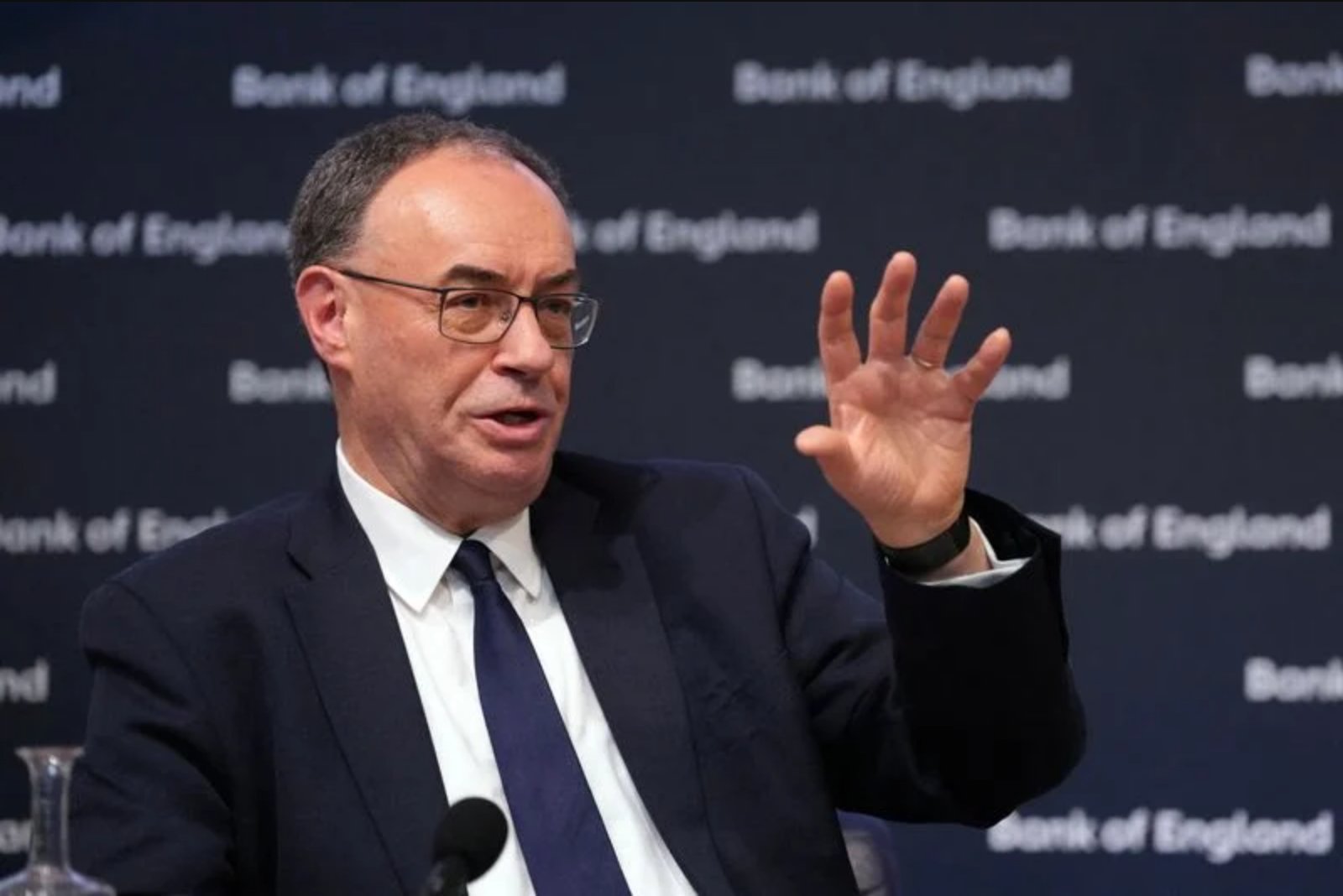
Bank of England Governor Andrew Bailey told lawmakers that restoring inflation to the 2% target and convincing the public of the Bank’s commitment are priorities. Speaking before the House of Lords’ Economic Affairs Committee, he said the focus should be on managing the path back to target, not on increasing the target to 3%. Bailey also noted his April vote to hold Bank Rate at 3.75% and said elevated market interest rates have created time for the Bank to consider whether to raise rates further in response to an inflation shock from the Iran war.

Bailey Stresses Need to Restore Faith in 2% Inflation Goal, Rejects Raising Target
Summarize with
ChatGPT Perplexity Claude Grok Gemini

Key Points

  • Governor Andrew Bailey said restoring inflation to 2% and giving households confidence in that objective are central priorities.
  • Bailey argued the response to missing the 2% target is to manage the path back to it, not to raise the target to 3%.
  • He voted to keep Bank Rate at 3.75% in April (an 8-1 decision) and said higher market interest rates have given the Bank time to assess whether further rate hikes are needed following the inflation shock from the Iran war.

LONDON, June 2 - Bank of England Governor Andrew Bailey told peers on Tuesday that the central bank must re-establish confidence that the 2% inflation target is credible and achievable. Bailey said it was important not only to return inflation to target but to give households assurance that the Bank can deliver on that aim.

Addressing the House of Lords’ Economic Affairs Committee at his annual appearance, Bailey was asked whether a period of inflation above 2% through much of the 2020s required a rethink of the Bank’s price-targeting framework. He replied that the emphasis should be on the process for returning inflation to target.

"We have to focus more on how we manage the path back to target, and ... ultimately get there because we’ve got to give the public confidence that the target is for real."

Bailey made clear that missing the 2% target did not, in his view, justify moving the target point higher. He said explicitly that the answer to persistent target misses was not to raise the inflation target to 3%.

On policy decisions, Bailey noted his April vote to keep Bank Rate unchanged at 3.75%. That decision was part of an 8-1 majority among Monetary Policy Committee members. He also referenced recent comments in which he said higher market interest rates had given the Bank of England breathing space to determine whether further rate rises would be needed in response to what he described as an inflation shock tied to the Iran war.

The governor’s remarks stressed two linked priorities: returning inflation to the 2% objective and ensuring the public believes the target is a binding commitment. He framed the challenge as one of managing the path back to the target rather than altering the target itself.

By highlighting the role of market interest rates in shaping the Bank’s timeline for decisions, Bailey signalled that the prevailing conditions in financial markets will influence the speed and scale of any future policy moves. He did not provide new guidance on the timing of potential rate changes, reiterating only that the Bank had more time to assess its response given recent market developments.


Contextual notes: Bailey was speaking at his annual hearing before the House of Lords’ Economic Affairs Committee. His comments reiterated the Bank’s stated goal to return inflation to 2% and defended the current target amid a period of above-target inflation.

Risks

  • Public confidence in the 2% inflation target could remain weak if the Bank fails to demonstrate a credible path back to target - this affects households and consumer sentiment.
  • Uncertainty over whether the Bank will raise interest rates in response to the Iran war-related inflation shock creates policy risk for financial markets and investors.
  • Reliance on higher market interest rates to buy time may prove temporary, leaving policymakers to act sooner than planned if inflation pressures persist - this impacts market volatility and borrowing costs.

More from Economy

House Republicans Advance $95 Billion Budget Blueprint Centered on Iran War Aid and Voter ID Overhaul Jul 16, 2026 Marex CEO Says Markets May Be Underestimating Risk From Strong El Nino Jul 16, 2026 Kansas City Fed’s Schmid Says Inflation Is Broad-Based and Not Clearly Temporary Jul 16, 2026 Kansas City Fed's Schmid Calls Ongoing Inflation 'Concerning' as Policy Focus Jul 16, 2026 Teleprompter Operator Faces Civil Case After Six-Figure Kalshi Winnings Jul 16, 2026