
European natural gas benchmarks moved lower on Tuesday as weather-driven forecasts and unclear progress in U.S.-Iran talks cooled recent market nerves.
By 08:59 ET (12:59 GMT), the Dutch front-month contract at the TTF hub was down 2.9% at 47.690 euros per megawatt hour. British natural gas futures fell 3.2% to 115.33 pence per therm over the same session.
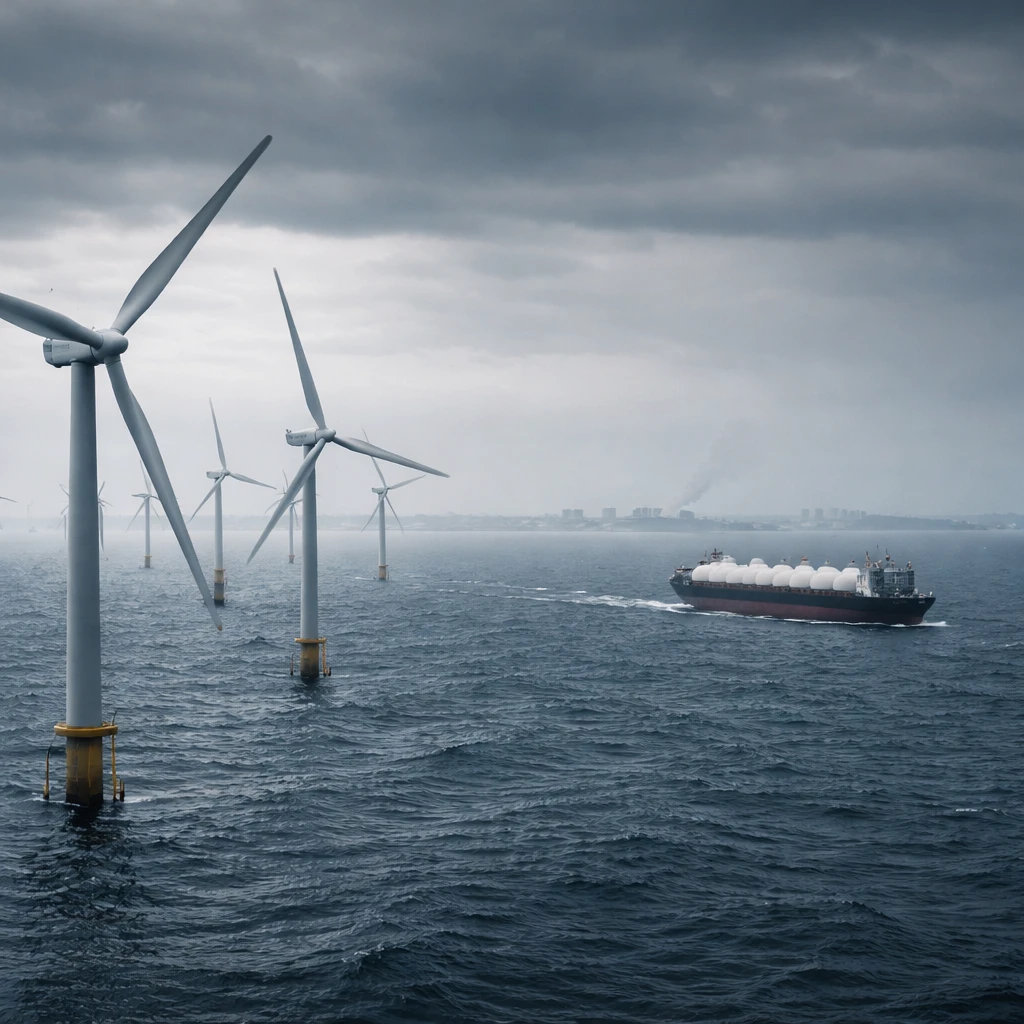
Analysts pointed to updated supply-and-demand metrics as a key driver of the drop. LSEG estimates cited by Reuters showed that non-local distribution zone demand - a measure that captures demand beyond local networks, including the power sector - was expected to be 214 gigawatt hours a day lower for Wednesday. Part of that reduction was attributed to wind power, which is forecast to boost renewable output and displace some gas-fired generation.
Price action followed a sharp move higher in the previous session, when reports surfaced that Iran had stopped sending mediated messages to the United States in response to Israeli strikes in Lebanon. That sequence of reports had prompted a spike in gas prices as market participants reassessed geopolitical risk.
On Tuesday, Israel’s military again struck targets in Lebanon, even as a partial ceasefire between Israel and Iran-backed Hezbollah appeared to prevent a wider escalation. The ceasefire - which Lebanon had earlier announced - remains limited in scope. Israeli authorities said they intercepted two projectiles fired from Lebanon on Tuesday, according to Reuters.
Reuters also cited Lebanon’s embassy in Washington reporting that the ceasefire would not end the fighting in Lebanon, and that this conflict has become a sticking point in the broader peace negotiations between the U.S. and Iran. The embassy called on Israel, a U.S. ally, to refrain from striking Beirut and areas controlled by Hezbollah, the report said.
Previous coverage noted Israel had taken military action in multiple theatres, including sending forces into southern Lebanon. The reporting also indicated that Israel had launched a joint assault with the U.S. on Iran in late February.
U.S. President Donald Trump has emphasized that Hezbollah had promised, through mediators, not to attack Israel. Mr. Trump also said Israeli Prime Minister Benjamin Netanyahu had pledged to pull back from striking Beirut, according to his comments.
Earlier on Monday, the U.S. president told ABC News he thought a peace deal with Iran - one that would extend an existing ceasefire and reopen the Strait of Hormuz - could materialize "over the next week," following the report that Tehran had ceased communications with Washington. Mr. Trump described the situation as "a little glitch," a comment linked in reporting to Iran’s reported objection to Israeli actions in Lebanon that had prompted Tehran to walk away from negotiations.
It remained unclear whether U.S.-Iran negotiations had resumed. The reporting stressed that the Strait of Hormuz - a critical maritime corridor for roughly a fifth of the world's liquefied natural gas supply - continued to be effectively closed to commercial vessel traffic, a factor that compounds market sensitivity to geopolitical developments.
What this means for markets
The immediate price falls were driven by an expected near-term decline in power-sector gas demand due to stronger wind generation outlooks. However, the persistent geopolitical uncertainties tied to Lebanon strikes, stalled mediated communications between Washington and Tehran, and the closure of the Strait of Hormuz leave the market exposed to abrupt price reversals should hostilities escalate or talks break down further.