
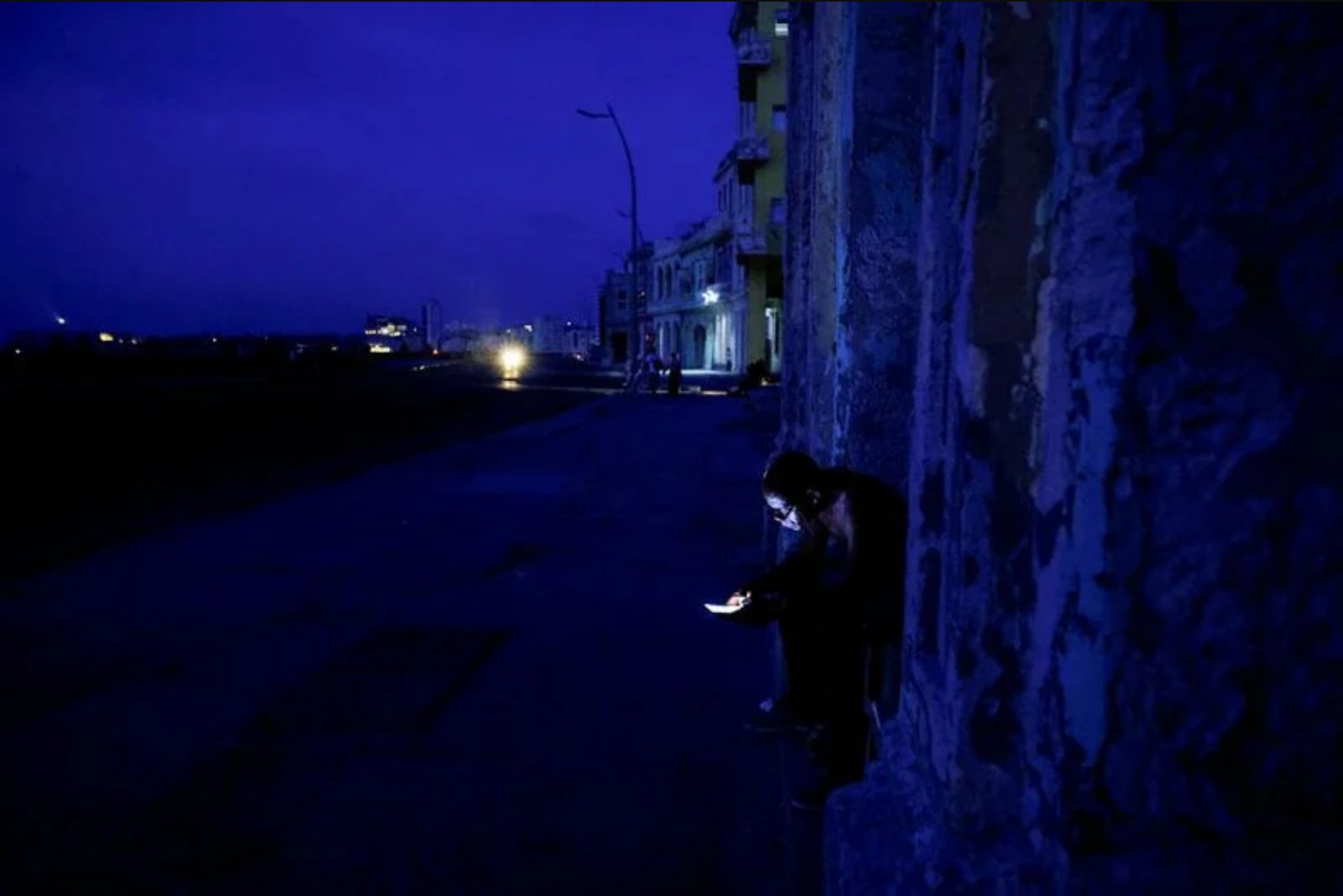
HAVANA, July 7 - Cuba faced a prolonged restoration effort on Tuesday after its national electricity system failed the previous day, leaving large portions of the nearly 10 million-strong population without power. Officials have not yet given a complete account of what triggered the blackout, which is the third national outage reported this year.
Partial reconnection in central provinces
The island's grid operator, UNE, reported early on Tuesday that it had managed to reconnect the central corridor of the country to the national system - extending from the western port of Mariel across to Sancti Spiritus province. Despite that progress, UNE said the extreme eastern and western ends of Cuba were still offline.
In Havana, roughly one-third of the capital had electricity restored by Tuesday morning. Nonetheless, many neighbourhoods remained dark, and in areas where power had returned the supply was described as intermittent and unreliable.
Unclear cause amid broader pressures
Authorities have not provided a full explanation for Monday's collapse. The outage compounded strain on a population already described as exhausted by repeated service interruptions. At the same time, Cuba is facing intensified pressure from the United States, which in recent months has significantly tightened measures against the island - including cutting off fuel supplies and imposing strict sanctions. Those moves, enacted under the Trump administration, aim to prompt political change in Cuba's communist government. The Cuban government and the United Nations have characterized those U.S. measures as illegal and as violations of residents' human rights.
What happened next
Restoration efforts continued across the island with UNE focusing on reconnecting regions sequentially. Officials indicated progress in central provinces but acknowledged that substantial parts of the country remained without electricity as technicians worked to stabilise the system.
Outlook and context
With the cause of the blackout still not fully explained, authorities face the twin tasks of repairing infrastructure and conveying a clear account of failures to the public. Meanwhile, the ongoing U.S. fuel and sanction measures remain part of the wider environment in which these restoration efforts are unfolding.