
Summary
Benchmark aluminium on the London Metal Exchange (LME) climbed 0.8% to $3,115 per metric ton at 0921 GMT as traders continued to price in a potential supply shortfall this year. Earlier in the session the metal slipped to $3,040 - its lowest point since February 19 - after diplomatic talks between the United States and Iran briefly raised prospects for restored Middle East supplies. Despite that, underlying physical indicators and delivery flows suggest the market remains tight.
Price action and market context
The LME contract's rise to $3,115 came after an intraday trough of $3,040, reflecting a tug-of-war between optimism over diplomacy and persistent concerns about available metal. The Middle East region is relevant to this dynamic because it accounts for 9% of global aluminium smelting capacity, a share that underpins why negotiations there can influence expectations for supply.
Market participants continue to position for a supply deficit this year even on the assumption that shipments through the Strait of Hormuz return to normal operation - a sign that current physical tightness is central to price formation.
Physical stock and delivery indicators
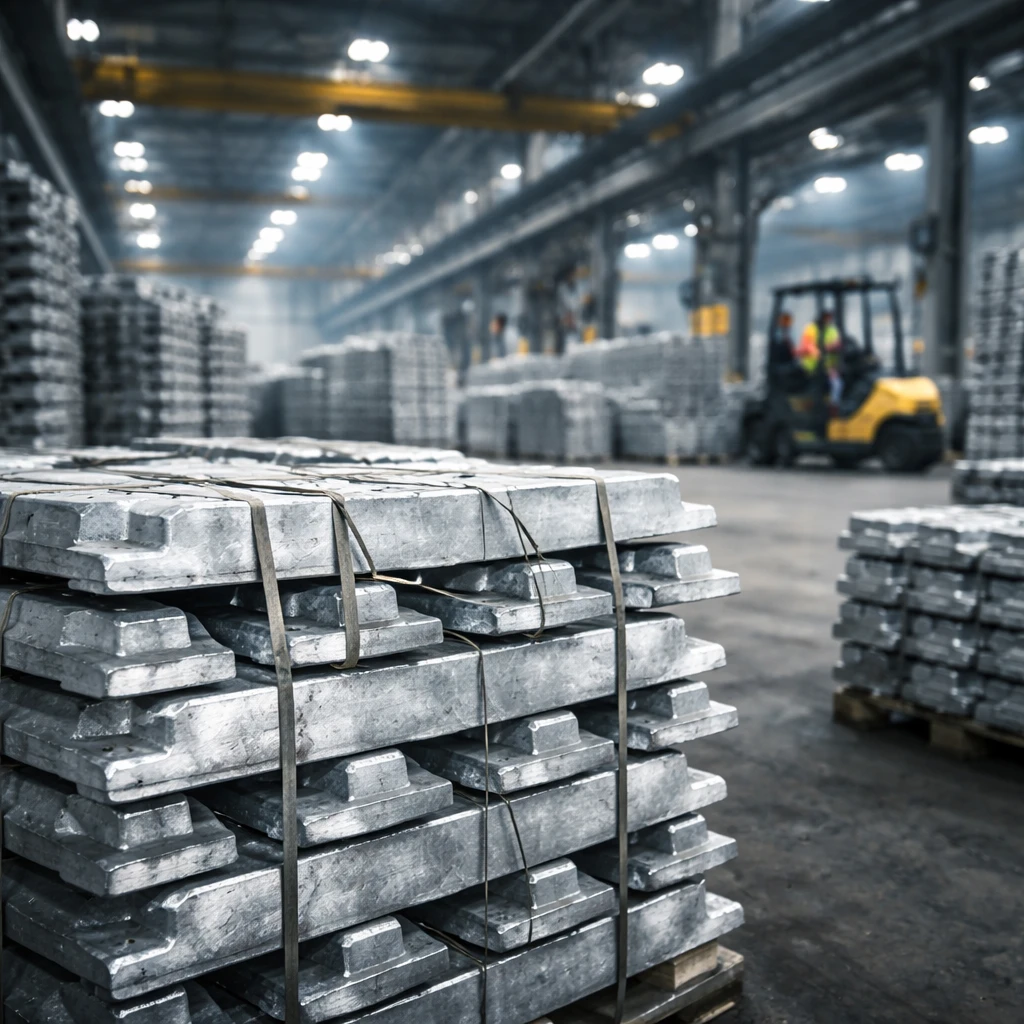
Aluminium held in LME-approved warehouses stood at 295,550 tons, a level that represents a decline of more than 40% since late January and marks the lowest reported inventory since September 2022. At the same time, cancelled warrants - the category that represents metal designated for delivery - reached 16%, implying an additional 48,950 tons will exit the LME system as deliveries are completed.
Outstanding policy and market events to watch
The market is also awaiting the outcome of a review examining potential tariffs on U.S. copper imports. Traders had expected a decision by the end of June, and the pending result remains a near-term source of uncertainty for related base metals markets.
Key points
- Benchmark LME aluminium rose 0.8% to $3,115 per metric ton at 0921 GMT, after earlier touching $3,040 - its lowest since February 19.
- Physical tightness is evident: LME-approved warehouse stocks are 295,550 tons, down more than 40% since late January and at their lowest since September 2022; cancelled warrants stand at 16%, implying 48,950 tons slated to leave the system.
- The Strait of Hormuz/shipping outlook and a pending U.S. copper tariff review are influencing trader positioning across base metals markets.
Risks and uncertainties
- Diplomatic developments in the Middle East could change quickly; while recent talks eased some concerns, the market remains exposed to shifts in regional supply expectations - impacting aluminium and other base metals.
- Low visible inventories and a high share of cancelled warrants increase the risk of delivery-driven tightness in the short term, which could sustain price volatility.
- The pending review of potential tariffs on U.S. copper imports is an unresolved policy event that may affect sentiment and flows across base metals if the decision timing or outcome diverges from trader expectations.
Note: This article presents market facts and indicators as reported at the time and does not include conjecture beyond those details.