
Introduction
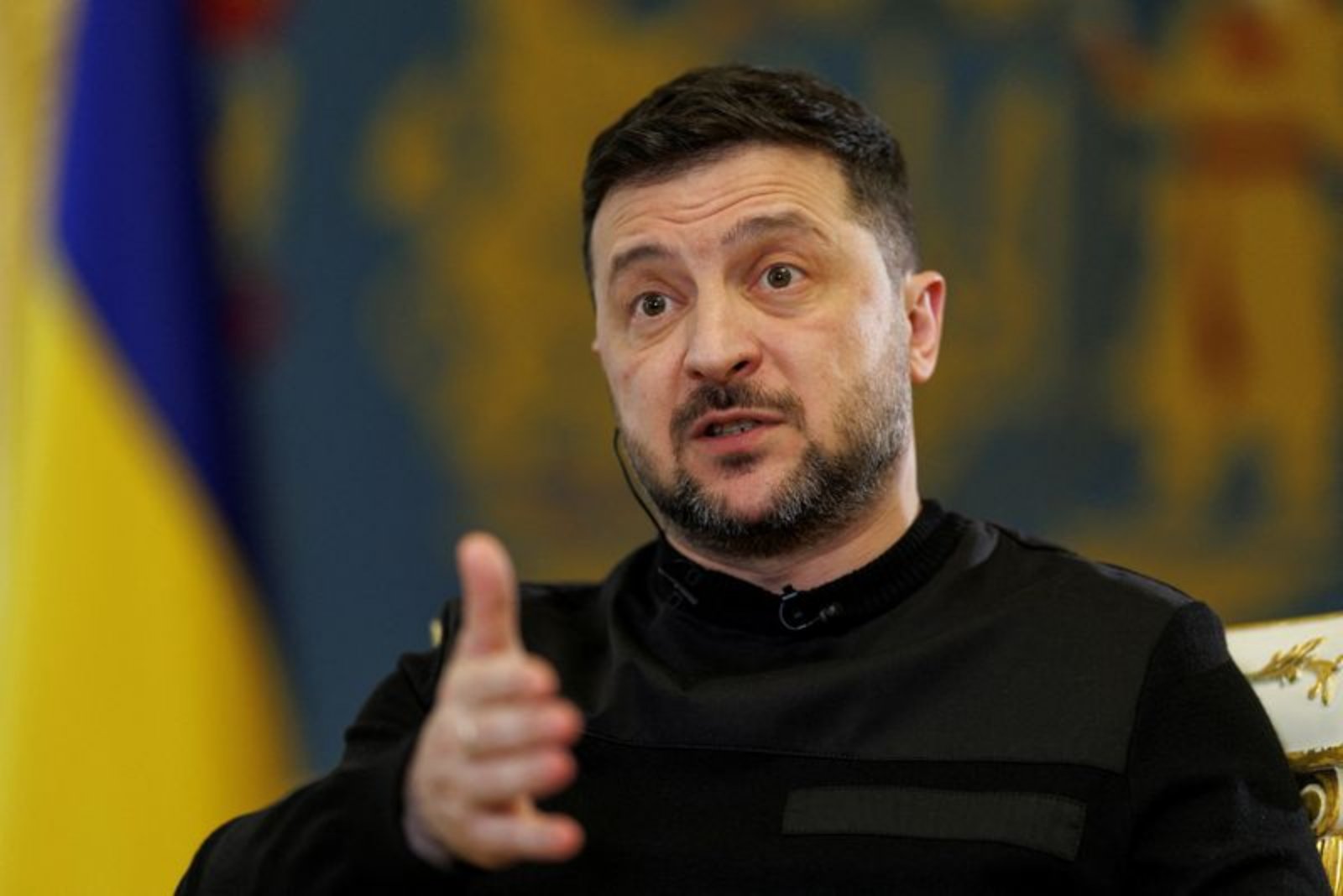
Ukrainian President Volodymyr Zelenskiy said on Tuesday he will request that U.S. mediators pass Kyiv’s offer of an Easter truce regarding strikes on energy infrastructure to Russia. The announcement comes after the Kremlin said it had not seen any detailed proposals related to such a truce.
Planned discussions with U.S. negotiators and NATO figure
Zelenskiy said he is scheduled to meet online on Wednesday with U.S. negotiators Steve Witkoff and Jared Kushner - U.S. President Donald Trump’s son-in-law - and with NATO Secretary-General Mark Rutte to review the status of U.S.-brokered talks with Russia aimed at ending the war in Ukraine. The U.S., Russia and Ukraine conducted three rounds of high-level, trilateral negotiations in Abu Dhabi and Geneva this year in an effort to find a diplomatic resolution to the conflict. A fourth round that was expected this month was postponed, officials say, because of the Iran conflict and amid a continuing impasse over territorial questions in eastern Ukraine.
Kyiv’s rationale and recent military posture
In recent weeks Ukraine has intensified assaults on Russian energy infrastructure, a campaign Kyiv says is intended to prevent Russia from gaining economic advantage from higher oil prices and any relaxation of sanctions following the Iran war. Zelenskiy said on Monday that some allies had sent Kyiv “signals” that suggested a possibility of scaling back long-range strikes on Russia’s oil sector as global energy prices rise.
Zelenskiy framed Kyiv’s proposal as conditional reciprocity: if Russia halted attacks on Ukraine’s energy system, Ukraine would reciprocate by curbing its strikes on Russian energy targets. He told reporters at an event marking the fourth anniversary of the Bucha massacre, a town near Kyiv, that he would press U.S. mediators to relay the offer to Moscow.
"I will definitely convey this proposal to the U.S. tomorrow, and I will definitely ask them to pass it on to the Russian side,"
"If they attack us, we will respond. If they agree to stop the attacks on our energy infrastructure, we will reciprocate."
Kremlin reaction and broader negotiating context
The Kremlin responded to Zelenskiy’s energy truce proposal with skepticism earlier on Tuesday, saying it had not seen any clearly formulated initiative and that it favoured a comprehensive peace agreement rather than a limited ceasefire. Moscow has set demands for a peace deal that include Ukraine ceding parts of the eastern Donbas region that Russia has been unable to fully capture during the four-year conflict. Zelenskiy has rejected such territorial concessions.
The Kremlin already controls around four-fifths of the industrialized Donbas region, according to the account in this report. Moscow has been pressing to conclude talks before the U.S. Congressional mid-term elections later this year, and has told the U.S. it could capture the remainder of Donbas in two months, according to the comments attributed here.
Impact of recent attacks on Russia’s oil exports
Recent Ukrainian drone strikes on Russian energy facilities - notably at Baltic Sea ports - a contested strike on a major pipeline and the seizure of oil tankers at sea have had a substantial effect on Russia’s export capacity. Based on market data calculations cited in this report, those actions have halted at least 40% of Russia’s oil export capacity.
Kremlin spokesman Dmitry Peskov expressed doubt about the energy truce concept, saying reporters had not seen any clearly formulated initiative in Zelenskiy’s statements. He urged Zelenskiy to take responsibility and make decisions that would produce peace rather than merely a ceasefire, and warned that further delay would raise the price of peace for Ukraine.
"In the statements by Zelenskiy that we have read, we have not seen any clearly formulated initiative regarding an Easter truce,"
"Zelenskiy must take responsibility and make the appropriate decision so that we achieve peace, not merely a ceasefire,"
"The longer Zelenskiy delayed the higher the price of peace would be for Ukraine."
Zelenskiy’s broader remarks on Russian intentions and Kyiv’s stance
Later on Tuesday Zelenskiy said Russia’s threats to seize more Ukrainian territory beyond Donbas indicated broader long-term ambitions. He said Russia had communicated to the U.S. that it could conquer the remainder of Donbas in two months, an assertion he described as implausible.
"I’m surprised anyone can believe this,"
Zelenskiy added that Ukraine remains open to a diplomatic solution but would agree to a ceasefire only "where we currently stand." Kyiv believes it can sustain the defense of its remaining defensive line of industrial towns and cities in Donbas for years, pointing to the slow pace of Russian advances since 2023 as evidence that Russian forces have encountered a defensive barrier, including persistent Ukrainian drone operations.
Key takeaways
- Kyiv is proposing a reciprocal Easter ceasefire limited to attacks on energy infrastructure, and Zelenskiy will ask U.S. mediators to pass the offer to Russia.
- Moscow has not acknowledged receiving detailed proposals and prefers negotiation toward a comprehensive peace deal; territorial disputes over Donbas remain a major impasse.
- Recent Ukrainian operations have significantly disrupted Russian oil export capacity, calculated here to have halted at least 40% of exports.