
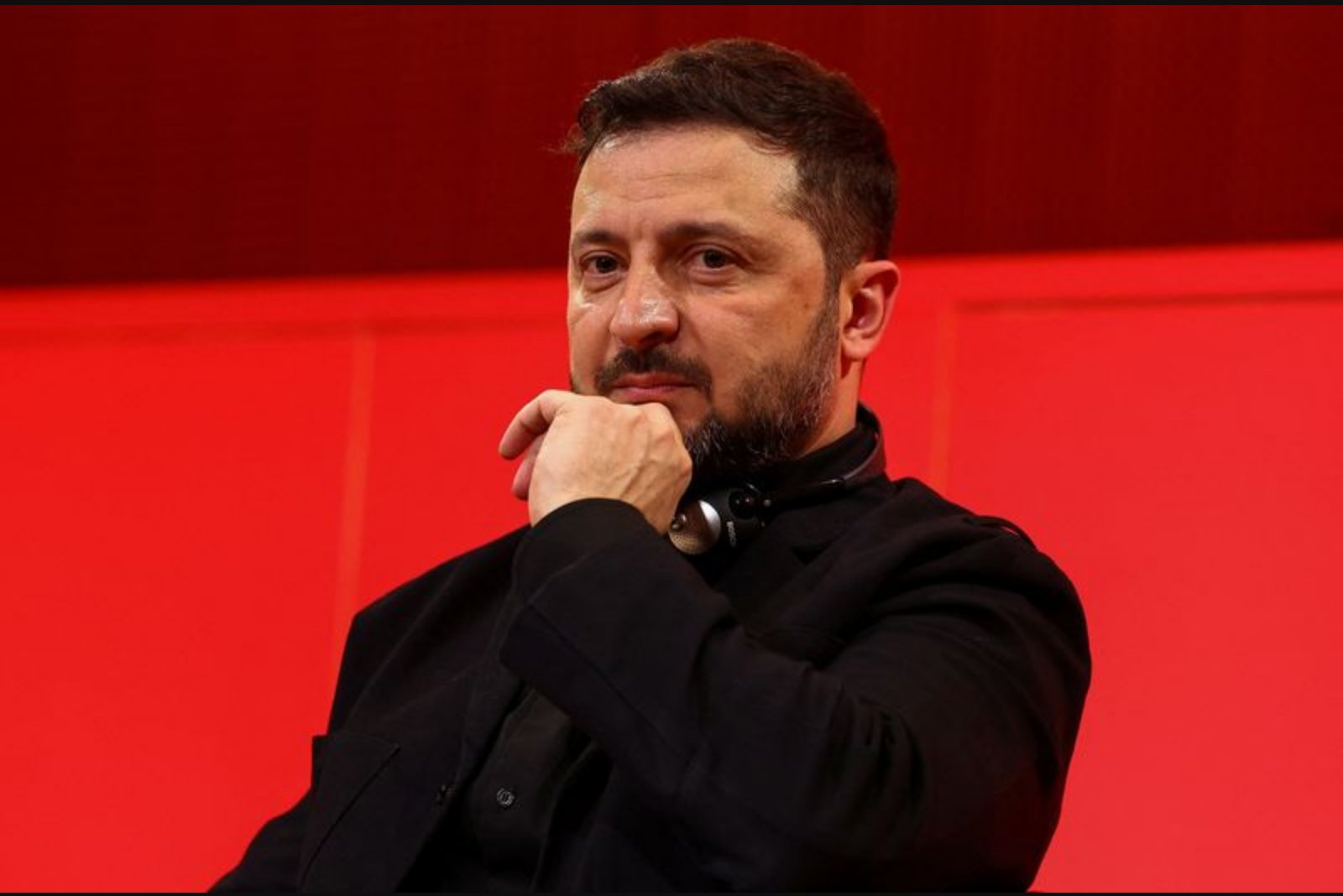
Some of Ukraine’s partners have quietly indicated to Kyiv that they would like Ukraine to scale back long-range strikes on Russian oil and energy facilities, President Volodymyr Zelenskiy said on Monday. The comments came in a WhatsApp briefing with journalists, where he framed the discussion around global energy pressures and reciprocal steps tied to the protection of Ukraine’s own energy system.
"Recently, following such a severe global energy crisis, we have indeed received signals from some of our partners about how to reduce our responses in the oil sector and the energy sector of the Russian Federation," Zelenskiy told reporters via the messaging app.
He added that Kyiv would be willing to reciprocate if Moscow ceased attacks on Ukraine's energy infrastructure, and that Ukraine was open to the idea of an Easter ceasefire.
A source familiar with the matter told Reuters that U.S. officials had relayed this message to their Ukrainian counterparts during ongoing consultations, and that the initial "signals" appeared to have originated from Moscow. Requests for comment to the U.S. State Department and the Russian embassy in Washington were not immediately answered, according to the reporting.
Zelenskiy linked the request from partners to a broader disruption in global energy markets. The conflict between the U.S. and Israel on one side and Iran on the other has tightened supplies of crude oil, gas and refined products, pushing prices sharply higher and producing what he described as the worst disruption to energy supplies in history. At the same time, Russian attacks on Ukrainian energy infrastructure have stressed Ukraine's ability to secure domestic supplies.
Fresh from a four-day diplomatic tour of the Middle East, Zelenskiy said he had secured commitments from some regional countries to provide energy support to Ukraine. Over the weekend during that trip he announced an agreement on diesel deliveries to Ukraine for one year, without providing additional operational details.
The president highlighted diesel's importance for both military operations and for agriculture, which he described as the foundation of Ukraine's economy. While in the region, Kyiv signed framework cooperation agreements with Saudi Arabia and Qatar and said a further framework was being developed with the United Arab Emirates.
During his discussions with Middle Eastern leaders, Zelenskiy raised the need for air-defence missile supplies but did not indicate whether concrete agreements on missile deliveries had been reached. He said that, because of the war with Iran, many international partners were prioritising the transfer of anti-ballistic missile systems to the Middle East at present, and that Ukraine was at times being overlooked as a result.
The statements outline a diplomatic balancing act: partners pressing Kyiv to consider the global energy market impact of continued strikes on Russian energy assets, while Ukraine seeks assurances against further blows to its own energy network and attempts to secure alternate supplies through regional cooperation.