
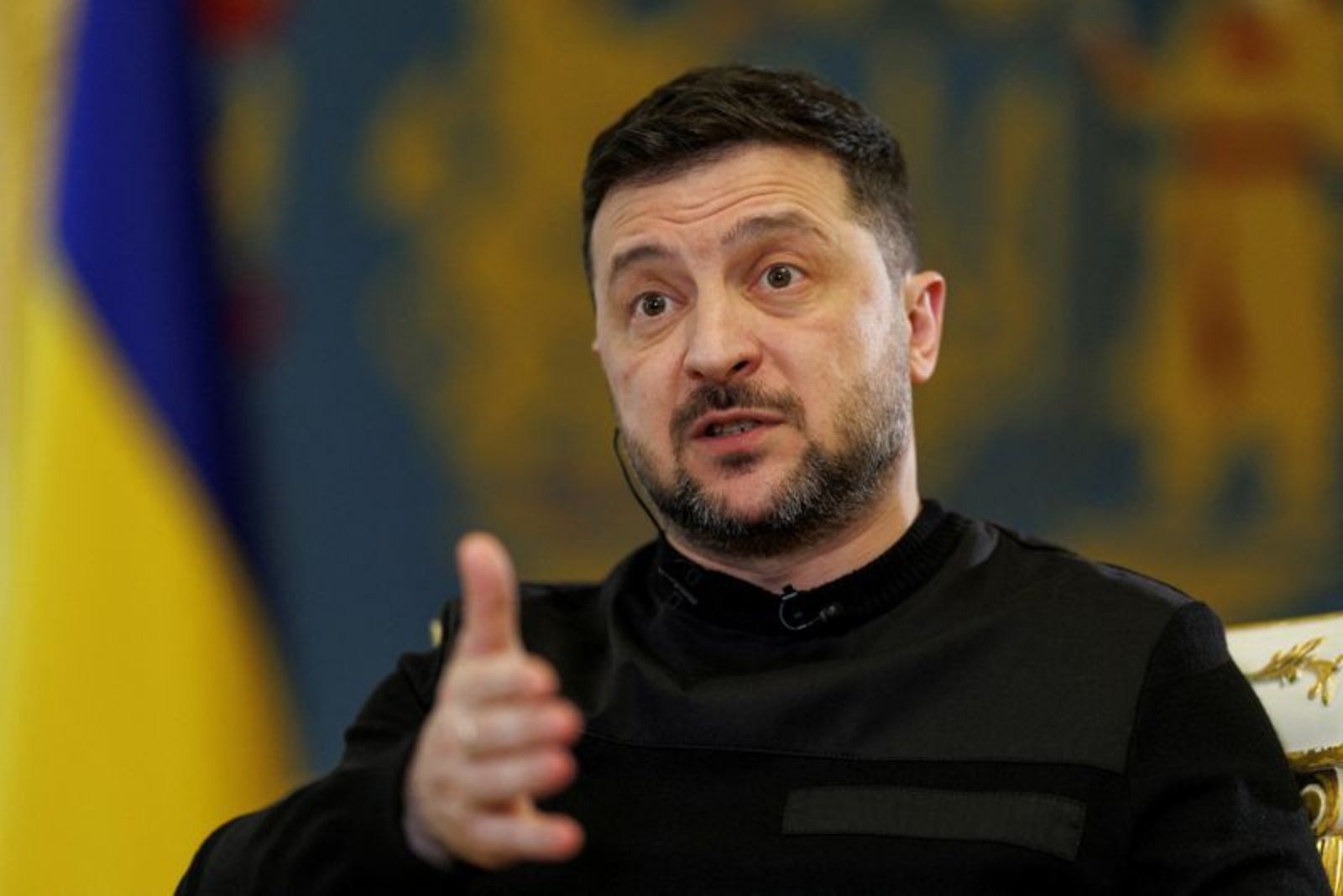
March 30 - Ukrainian President Volodymyr Zelenskiy returned to Kyiv on Monday and characterized his tour of several Middle Eastern nations as successful, saying a set of security cooperation accords have either been finalized or are actively being discussed.
Zelenskiy said the purpose of his trip was to offer Ukrainian expertise on countering drone attacks - technology and tactics developed during Ukraine's four-year conflict with Russia - to countries confronting drone strikes linked to Iran in their conflicts with the United States and Israel. He noted that Russia has used Iranian-designed drones against Ukraine since Moscow's February 2022 invasion.
In his nightly video address after arriving back in Kyiv, Zelenskiy said he had secured "historic" security agreements with Saudi Arabia, the United Arab Emirates and Qatar. He added that Ukraine was also working with Jordan and Kuwait, while Bahrain and Oman had expressed interest in cooperation.
"For Ukraine, this is not only about prestige and respect for our people," Zelenskiy said. "This is a very concrete and practical matter. We are exporting our defence system, the skills of our warriors and the knowledge our state possesses."
The Ukrainian president said the expected scope of "corresponding security cooperation" discussed with the regional partners included air defence, development of defence production and energy cooperation. He also emphasized that arms sales should be handled at the government level, cautioning private businesses against making direct deals with clients.
During the visits, Zelenskiy said he had raised the issue of diesel supplies from the region - a resource he described as vital both for Ukraine's defence needs and for the agriculture sector.
Reflecting on the reception he received in the region, Zelenskiy said he encountered "great respect" for Ukraine and sensed a "shared vision among the countries of the region" to work with Ukrainian experts. He reiterated that "Security and restoring stability are the top priorities for everyone."
The president's remarks linked Ukraine's battlefield experience in countering drone threats - developed over several years of conflict - to potential assistance to Middle Eastern states facing similar threats, while noting that formal decisions on arms transfers rest with governments rather than private companies.