
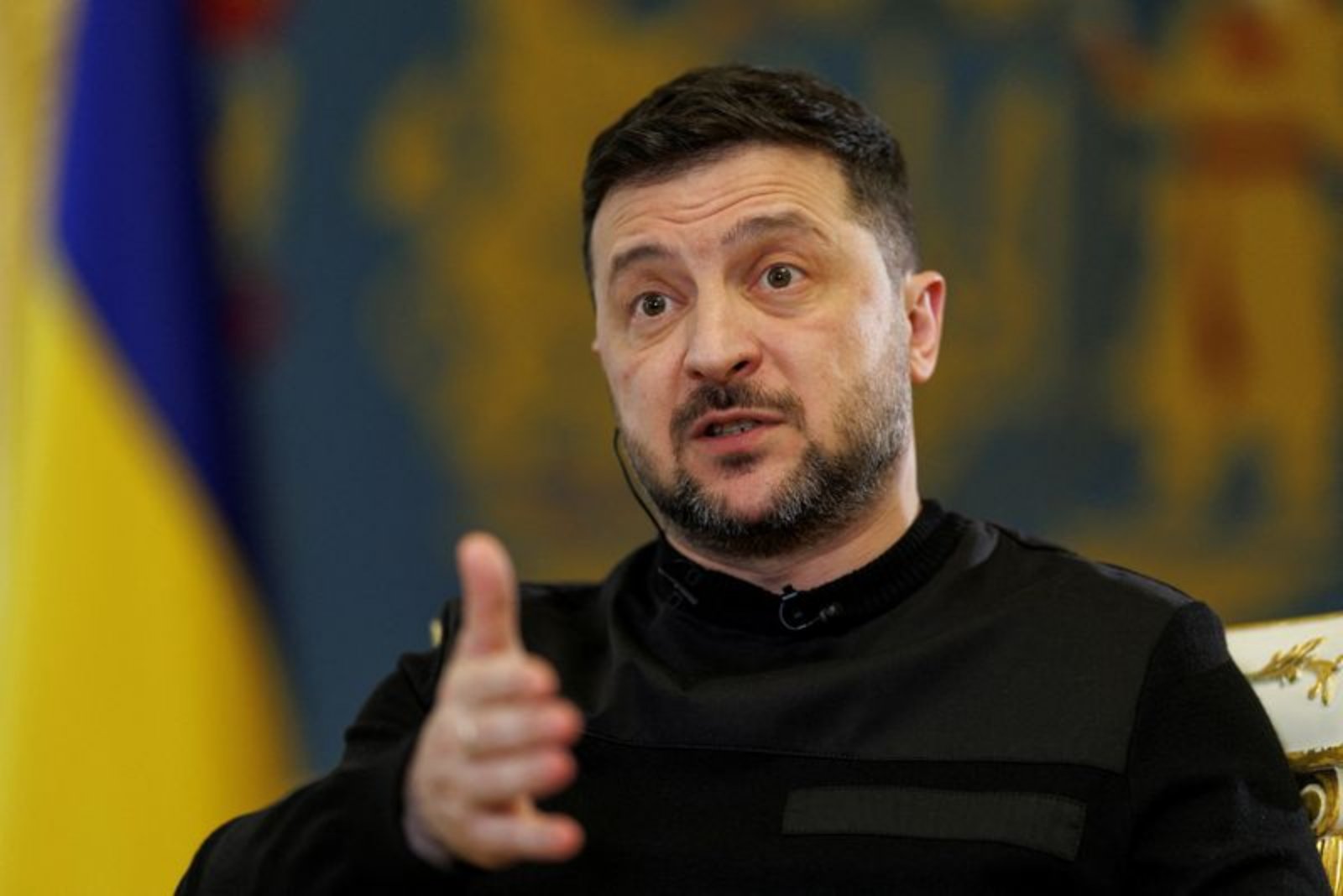
KYIV, April 1 - Ukrainian President Volodymyr Zelenskiy engaged in online talks on Wednesday with U.S. negotiators, according to a person familiar with the matter, as Kyiv works to maintain the attention of President Donald Trump’s administration on combating Russian forces amid the concurrent Iran war.
The virtual meeting included participation from NATO Secretary General Mark Rutte and U.S. figures identified by the source as special envoy Steve Witkoff, Jared Kushner - President Trump’s son-in-law - and U.S. Senator Lindsey Graham. Kyiv plans to press the negotiators to carry an offer for an Easter ceasefire to the Russian side, Zelenskiy told reporters on Tuesday.
In a Telegram post, the Ukrainian president said he also spoke on Wednesday with British Prime Minister Keir Starmer and briefed him on the ceasefire proposal. "I informed Keir about the situation on the frontline: our positions are now much stronger," Zelenskiy wrote.
Kyiv has intensified strikes against Russian oil infrastructure in recent weeks. A calculation made last week estimated that roughly 40 percent of Russia’s oil export capacity has been halted. Zelenskiy has stated that Ukraine would be prepared to suspend such strikes if Russia agrees to stop attacking Ukraine’s energy infrastructure.
Despite the outreach, the Russian foreign ministry rejected the ceasefire idea on Wednesday, labeling it a "PR stunt." The Kremlin reiterated its position that Ukraine should have withdrawn troops from the Donbas area "yesterday," a demand that Ukraine rejects. The Russian statement referenced land in the Donetsk region that Russia says should be vacated.
Ukrainian officials characterize a cessation of hostilities at the current front lines as a compromise. They oppose Moscow’s demands that Kyiv pull back from territory it continues to hold in Donetsk, which is part of the Donbas region. The dispute over territorial control remains central to the proposals and counter-demands discussed in the virtual talks.
Zelenskiy has repeatedly sought a summit including President Trump and Russian President Vladimir Putin, arguing that issues of territory must be negotiated at the leaders’ level. That call for direct leader-to-leader engagement was reiterated in statements surrounding the recent round of discussions.
Following tense exchanges in recent days between U.S. and European officials, Finnish President Alexander Stubb posted on X on Wednesday that he had spoken with President Trump, describing the conversation as a "Constructive discussion and exchange of ideas on NATO, Ukraine and Iran." The post suggests continued diplomatic engagement between Western capitals and the U.S. administration on the overlapping security challenges.
Key points
- Zelenskiy led online talks with U.S. negotiators and several senior figures to press an Easter ceasefire offer and to keep U.S. focus on the fight against Russia amid the Iran war - sectors impacted include defense and energy markets.
- Ukraine has escalated strikes on Russian oil infrastructure, with about 40 percent of Russian oil export capacity reportedly halted - this has direct implications for global oil supply and energy sector dynamics.
- Russia quickly dismissed the ceasefire proposal and reiterated territorial demands in Donbas, maintaining military and diplomatic tensions that affect defense procurement and regional stability.
Risks and uncertainties
- Diplomatic deadlock - The Russian rejection of the ceasefire keeps the prospect of immediate de-escalation uncertain, prolonging risks to the energy sector and markets sensitive to supply disruptions.
- Escalation of attacks - Continued strikes on oil infrastructure risk further retaliation or escalation, which could exacerbate volatility in global oil prices and affect energy-dependent industries.
- Political focus and attention - Keeping the U.S. administration focused amid the Iran war presents uncertainty for sustained policy support, with potential consequences for defense aid and geopolitical alignment.