
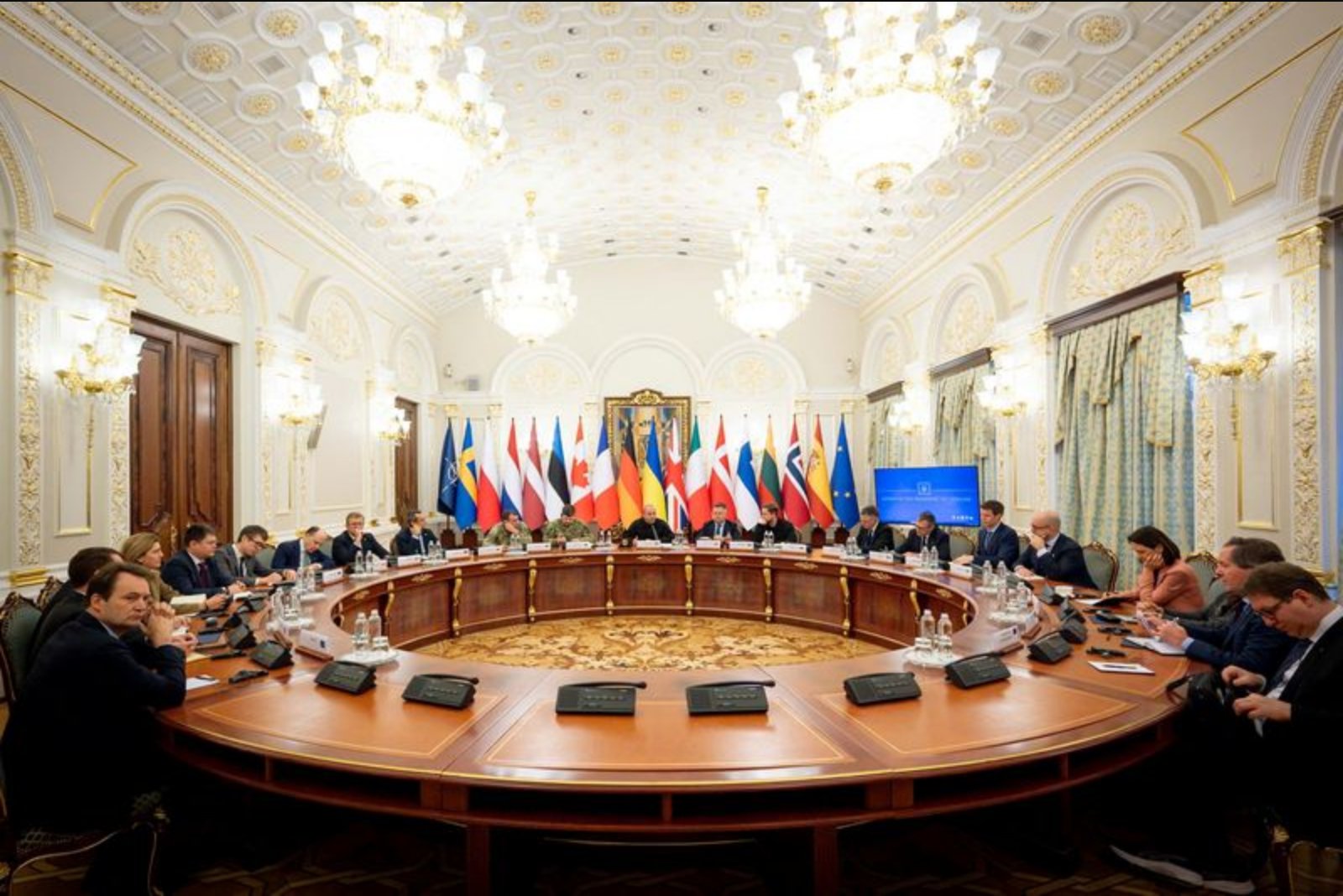
On March 22 in Kyiv, President Volodymyr Zelenskiy publicly pressed allies to sustain and intensify sanctions aimed at curbing Moscow's ability to finance its military operations, ahead of a second day of negotiations between Ukrainian and U.S. delegations that opened in Florida on Saturday. Russian representatives did not take part in the discussions; they had been expected to attend talks originally scheduled for Abu Dhabi.
The United States delegation is led by special envoy Steve Witkoff together with Jared Kushner, identified in public reporting as a senior U.S. participant. The talks represent an effort to explore avenues to end the conflict that began with Russia's full-scale invasion of Ukraine four years ago.
Speaking on the social platform X, Zelenskiy said sanctions must remain in force and be more effective at preventing Russia from using oil revenues to continue the war. He specifically singled out what is commonly described as Russia's "shadow fleet" - a network of vessels that has expanded as Western sanctions have constrained standard export routes - and called for stronger measures against tankers that he said serve Russia's war budget.
"Revenues give Russia a sense of impunity and the ability to continue the war. That is why pressure must continue and sanctions must work," Zelenskiy wrote on X. "Russia’s shadow fleet must not feel safe in European waters or anywhere else. Tankers that serve the war budget can and must be stopped and blocked, not just let go."
Recent enforcement actions have included the French Navy seizing an oil tanker in the Western Mediterranean last week. French President Emmanuel Macron described that vessel as part of the shadow fleet. Analysts and officials have noted that the shadow fleet has helped Russian oil continue flowing despite Western restrictions on Moscow's energy revenues.
Elements of the U.S.-promoted peace plan that surfaced in discussions include holding a presidential election in Ukraine alongside territorial concessions. That proposal places new emphasis on a vote that Ukrainian law currently bars during wartime. President Zelenskiy, whose term has expired, has faced renewed pressure from U.S. officials to proceed with an election as part of a negotiated settlement.
Zelenskiy has said Ukraine could be prepared to hold democratic elections if Washington can secure a two-month ceasefire to provide time for infrastructure preparations and to establish security guarantees. The ceasefire proposal is presented as a precondition to allow logistical and administrative measures necessary for an election amid conflict.
But not all Ukrainian voices support that approach. Valeriy Zaluzhnyi, the country's former top general who now serves as ambassador to Britain and is viewed as a potential presidential contender, argued in an article published by the Ukrainian outlet NV that the country needs "a peace won through war," rather than time to prepare for elections. Zaluzhnyi wrote that a victory achieved through military means would secure a future for Ukraine's children.
The dialogue in Florida continues without Russian delegation members, and Kyiv emphasized this weekend that maintaining economic pressure on Moscow - including measures aimed at maritime shipping and oil revenues - remains central to Ukraine's strategy as talks proceed.
An embedded promotional note within the original report highlighted investment research tools and data services as resources for identifying investment opportunities in 2026, emphasizing institutional-grade data and AI-powered analysis for investors. That promotional content positioned such tools as aids for decision-making rather than guarantees of returns.