
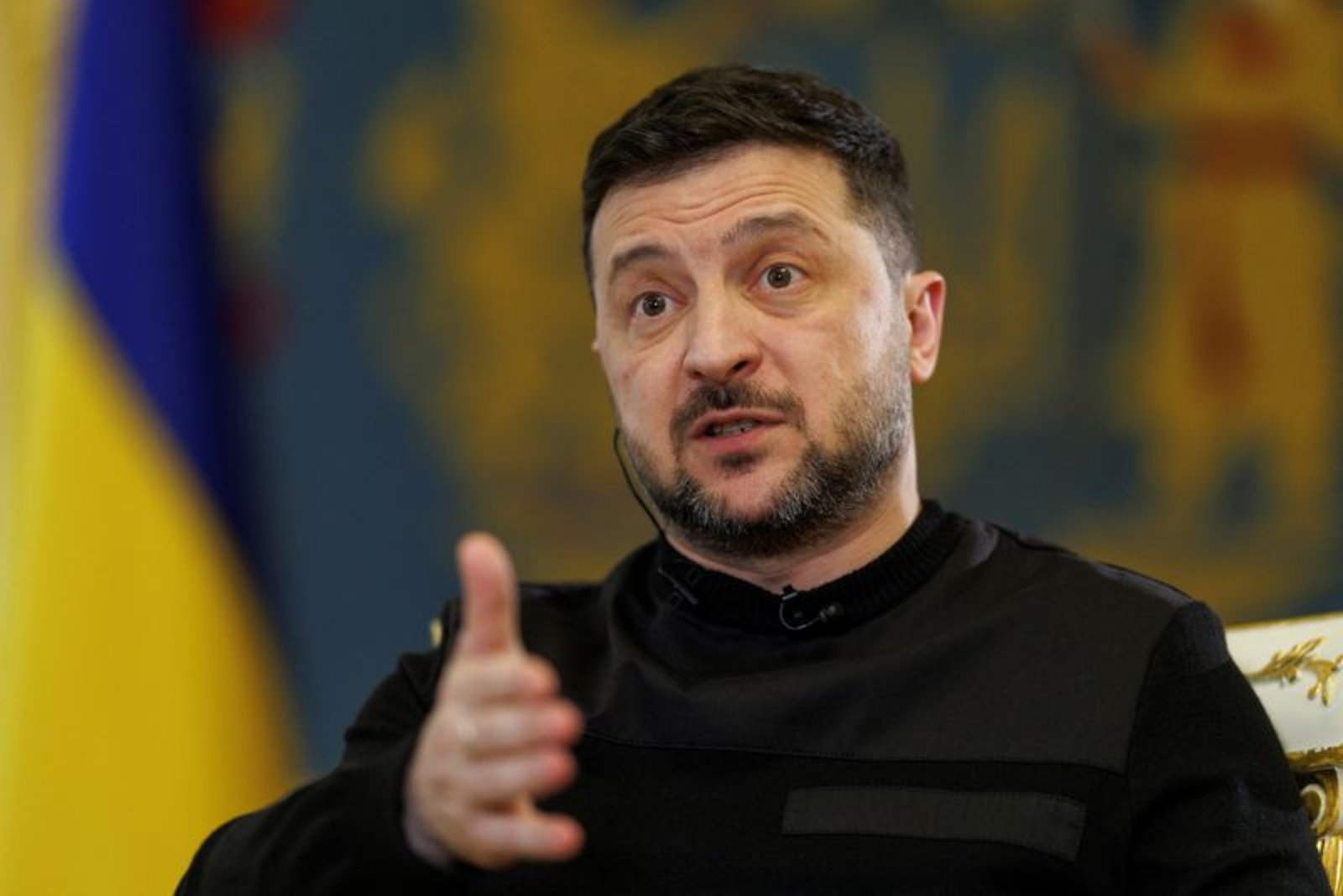
President Volodymyr Zelenskiy said on Wednesday that Russia tried to pressure the United States by proposing a quid pro quo: Moscow would stop providing military intelligence to Iran if Washington stopped delivering intelligence to Ukraine. Zelenskiy, speaking from his presidential compound in Kyiv, said he had seen the material his services have compiled but declined to give further particulars.
Zelenskiy repeated an assertion he made on Monday that Ukraine’s military intelligence possesses "irrefutable" evidence that Russia remains a source of intelligence for Iran. He said those reports indicate Moscow offered to withhold intelligence from Tehran in exchange for the United States halting intelligence flows to Kyiv - a move the president characterized as blackmail.
"I have reports from our intelligence services showing that Russia is doing this and saying: 'I will not pass on intelligence to Iran if America stops passing intelligence to Ukraine.' Isn’t that blackmail? Absolutely," Zelenskiy said.
The president did not specify, according to the reports he cited, the intended recipient of those Russian comments. He also noted that some Iranian drones - which have been used against U.S. military assets and allied forces during the war in the Middle East - contained components of Russian origin, as indicated by Ukrainian intelligence.
Russia has denied assisting Iran in what the article describes as its month-old conflict with the United States and Israel. Zelenskiy said Washington told him it had also received a denial from Moscow earlier this month when the matter was raised directly with Russian officials.
Ukraine has itself been repeatedly targeted by Iranian-designed Shahed drones since the beginning of the Russian invasion in 2022. Zelenskiy said Kyiv is now supporting a number of Gulf states - including Saudi Arabia, the United Arab Emirates, and Qatar - in efforts to counter drone attacks on their territories.
Looking ahead, Zelenskiy said he hopes Ukraine can conclude longer-term agreements with some Gulf countries that would generate funds to produce Ukrainian drone interceptors or secure deliveries of urgently needed air-defence missiles.
The allegations raise questions about the integrity of intelligence-sharing relationships and the potential for coercive diplomacy to affect security cooperation. Zelenskiy stressed that Ukraine has concrete intelligence material, but offered no additional details about the content or the channels through which the reported Russian offer was made.