
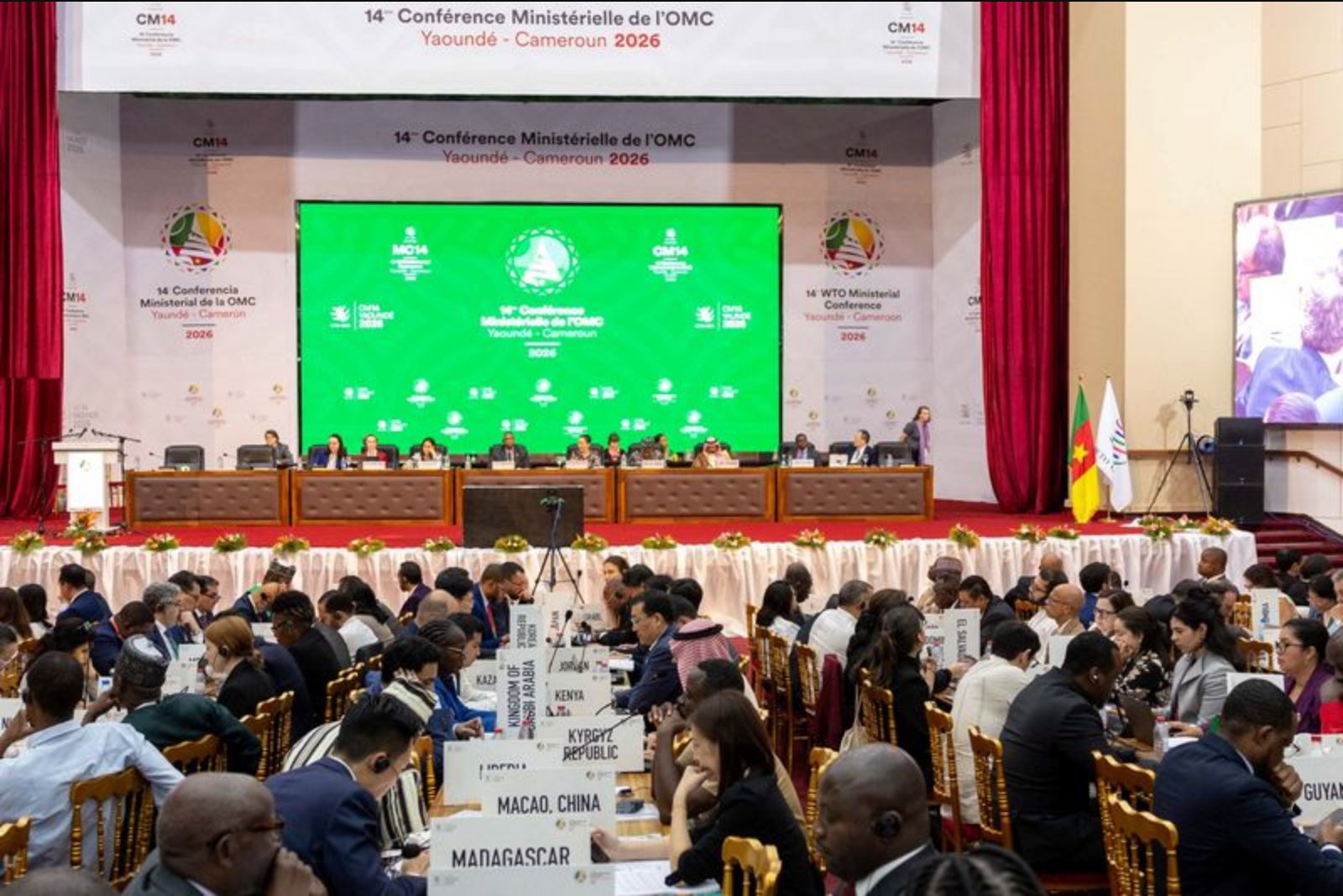
YAOUNDE, March 30 - World Trade Organization negotiations in Cameroon ended in the early hours of Monday with ministers unable to reach a joint decision on a reform package or to secure a long-term extension of the moratorium on customs duties for electronic transmissions, such as digital downloads and streaming.
The four-day talks in Yaounde concluded after Brazil blocked a U.S.-backed push to prolong the moratorium. Delegates had entered the meeting with modest expectations for sweeping progress, but many observers had hoped at least for renewal of the moratorium. That did not materialize when ministers failed to agree on an extension longer than two years, a length that diplomats said fell short of the United States' needs.
U.S. officials and business groups voiced frustration with the impasse. Britain’s Business and Trade Secretary Peter Kyle described the absence of a joint decision as a "major setback for global trade." The outcome underlined concerns about the WTO’s standing after a period of significant commerce disruption and heightened geopolitical tensions, including the recent U.S.-Israeli war on Iran, which contributed to a test of the institution's continued relevance.
Diplomats worked late into Sunday attempting to bridge the divide between positions. The United States pushed for a permanent extension of the moratorium, while Brazil initially tabled a two-year proposal. Negotiators drafted a compromise that would have set a four-year extension with a one-year sunset buffer, ending in 2031. Brazil later offered a four-year extension with a midterm review clause, but that too failed to attract sufficient support.
Some developing countries opposed a lengthy extension on the grounds that the moratorium denies them potential tax revenue, and that concern factored into resistance to longer-term arrangements. A U.S. official said Brazil had opposed what Washington described as a "near-consensus document," adding that the dynamic was not simply bilateral: "it’s not U.S. vs Brazil. It’s Brazil and Turkey v 164 members."
Delegates quoted a Brazilian diplomat as saying the United States had wanted "the sky" and that pursuing a longer extension was inadvisable in view of fast-changing patterns in digital trade. Another diplomat present at the meeting said U.S. Trade Representative Jamieson Greer had made some delegates "uncomfortable" by suggesting there "would be consequences" if the United States did not secure a long-term moratorium extension.
Despite the lack of agreement on the moratorium, WTO officials said a degree of progress had been achieved on a roadmap for reform before time expired. Areas flagged for continued negotiation in Geneva in May include revising rules to improve transparency around subsidies and altering decision-making procedures to ease consensus processes. The United States and the European Union have argued that the current rules have been exploited to their detriment, a point that remains part of the reform discussions.
With ministers departing Yaounde without a unified outcome on the moratorium or a completed reform package, the institution faces mounting pressure to demonstrate relevance and to find ways to reconcile divergent member priorities. Talks on the outlined reform items are expected to resume in Geneva next month.
Contextual note - The negotiations reflected tensions between calls for stable, long-term rules to support digital trade and concerns among some developing countries about lost tax revenue and the pace of change in digital commerce.