
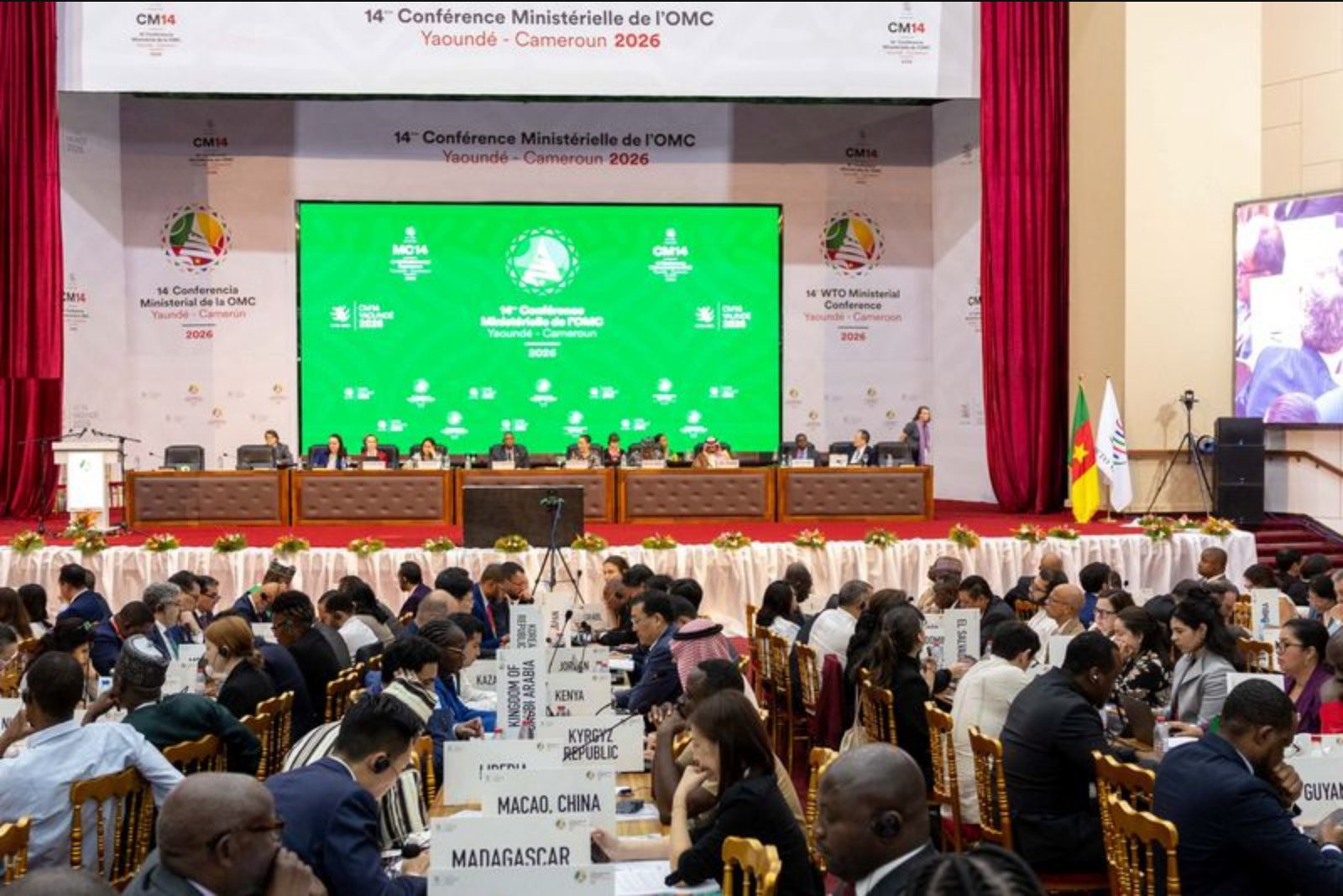
Negotiations aimed at updating World Trade Organization rules and prolonging a moratorium on customs duties for electronic transmissions reached their closing day with no clear resolution, diplomats said. Trade ministers gathered in Cameroon have been trying to bridge a fundamental divide between the United States and India over whether to extend the moratorium that is due to lapse this month.
According to several diplomats, India has indicated it would accept a two-year extension of the moratorium. Washington, however, has taken a different position. U.S. Trade Representative Jamieson Greer has said the United States is not interested in a temporary prolongation and would only support a permanent extension of the ban on duties for digital downloads and other electronic transmissions.
Business leaders attending the discussions have emphasized the importance of an extension to provide predictability for cross-border digital trade, warning that without it individual countries could move to impose duties. That concern has put additional pressure on negotiators to find an acceptable compromise.
Diplomats described a range of potential compromises being explored. One Western diplomat said the United States might accept a "pathway to permanence" that would effectively lock in the moratorium via a long-term extension, and suggested a 10-year term as a possible option. Other diplomats reported that extensions in the five- to 10-year range were under consideration. Yet a third diplomat cautioned that it appeared unlikely most WTO members would agree to extend beyond two years.
Negotiators circulated a new draft document on Saturday evening that included language supporting developing country members and incorporating a review clause. The draft aims to balance the need for predictability for businesses with flexibility for countries at different stages of development.
"Extending the moratorium permanently would give the U.S. confidence to remain 'fully engaged' in the trade body," U.S. Ambassador to the WTO Joseph Barloon said ahead of the talks.
Not all diplomats were optimistic about the atmosphere at the meeting. One senior diplomat said bluntly that failure to extend the moratorium could be used by the United States as justification to press harder against the WTO. "If the moratorium does not get extended, the U.S. will use it as an excuse to beat the WTO on the head," the diplomat said.
Beyond the e-commerce moratorium, ministers must also confront a set of proposed reforms to WTO rules. These proposals include steps to make the use of subsidies more transparent, to streamline decision-making procedures that are frequently blocked under the consensus-based system, and to revisit the Most-Favoured-Nation principle that requires members to extend trade benefits equally.
The United States and the European Union contend that certain members, China in particular, have exploited existing rules to their detriment. At the same time, the consensus approach to decision-making has repeatedly been hampered by the ability of single members to block measures, slowing reform efforts.
Most WTO members have signalled support for a detailed work plan on reforms, but a small number of countries are opposing it, creating another obstacle to progress, two senior diplomats said. Discussions on allowing a subset of members to adopt an agreement to spur investment in developing countries - a plurilateral approach - remain stalled due to India's objection that such accords could erode the multilateral body's founding principles.
Diplomats expressed frustration that substantial time continues to be spent on procedural matters rather than substantive reform. "We are frustrated that we are spending a lot of time talking about process, when we want to get on with the real work, reforming the WTO," one western diplomat said.
As ministers enter the final hours of the meeting, the outcome remains uncertain. Negotiators must reconcile competing national priorities on the e-commerce moratorium while also finding common ground on broader institutional reforms that members hope will restore the WTO's ability to manage global trade disputes and rule-making.