
World March 30, 2026

White House: Trump Open to Asking Arab States to Help Cover Costs of Potential Iran War

Press secretary says president has raised the idea and that negotiations with Tehran continue privately despite public rhetoric

By Priya Menon
White House: Trump Open to Asking Arab States to Help Cover Costs of Potential Iran War

The White House indicated that President Donald Trump has considered requesting financial support from Arab states to offset the cost of a potential conflict with Iran. Press Secretary Karoline Leavitt told reporters the proposal is one the president has raised and that she expects him to speak further on the matter. Leavitt also characterized U.S. diplomatic engagement with Iran as ongoing and reportedly productive in private, while warning that Tehran's private assurances would be tested and enforced. Separately, the president warned Iran that its energy infrastructure could be destroyed if it failed to reopen the Strait of Hormuz after Tehran criticized U.S. proposals and launched missile strikes at Israel.

Key Points

  • White House says President Trump is open to asking Arab states to contribute financially to the costs of a potential war with Iran - impacts defense spending and international burden-sharing.
  • Press Secretary Karoline Leavitt states that U.S. talks with Iran are continuing and are progressing privately, even as Tehran's public statements differ from private communications - relevant for diplomatic and defense planning.
  • The president warned of potential destruction of Iran's energy infrastructure if the Strait of Hormuz is not reopened, a threat that bears on global energy markets and regional stability.

WASHINGTON, March 30 - The White House said on Monday that President Donald Trump would be receptive to urging Arab nations to contribute financially to the costs of any future conflict with Iran.

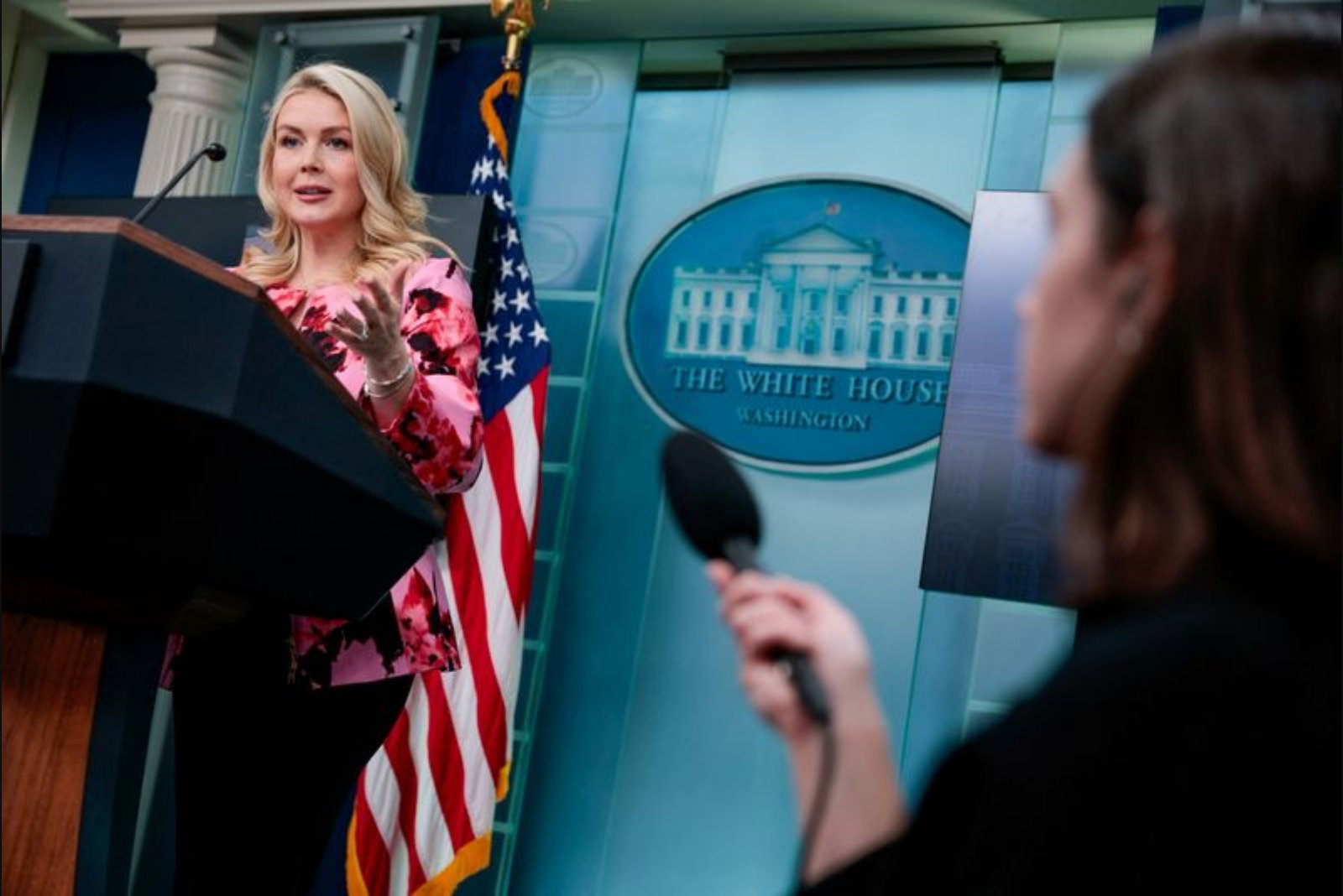
At a briefing, White House Press Secretary Karoline Leavitt confirmed that the notion of asking Arab states to help pay for an Iran war is an idea the president has considered. When asked whether regional partners would step forward to fund such an effort, Leavitt declined to pre-empt any announcement but emphasized the proposal is one Mr. Trump is interested in pursuing.

"I think it’s something the President would be quite interested in calling them to do," Leavitt said. "It’s an idea that I know that he has and something that I think you’ll hear more from him on."

Leavitt also addressed the status of diplomatic contacts with Tehran, saying talks with Iran are ongoing and are progressing well. She drew a contrast between Iran's public statements and the positions it has taken privately with U.S. officials, asserting that Tehran had privately accepted some of Washington's points.

"Despite all of the public posturing you hear from the regime and false reporting, talks are continuing and going well. What is said publicly is, of course, much different than what’s being communicated to us privately," she said.

The press secretary cautioned that any private commitments Iran has made to Washington will be verified. "Anything Iran says to Washington privately will be tested and the U.S. would ensure that Tehran is held accountable to its word," Leavitt said.

Earlier on Monday, President Trump warned that Iran's energy infrastructure - including energy plants and oil wells - would be obliterated if Tehran did not re-open the Strait of Hormuz. The warning followed Tehran's dismissal of U.S. peace proposals as "unrealistic" and came amid reports that Iran had launched waves of missiles at Israel.


This reporting reflects statements made by the White House press secretary and the president on the record during the March 30 media briefing and subsequent remarks. It presents the administration's position that regional partners might be asked to share the financial burden of military action, while also describing the administration's account of its private diplomatic exchanges with Tehran and its stated approach to verifying any Iranian commitments.

Risks

  • Uncertainty over whether Arab states will agree to provide financial support for military operations - risk to defense budgets and allied burden-sharing arrangements.
  • Disparity between Iran's public rhetoric and private commitments introduces verification challenges - risk to diplomatic trust and to defense planning reliant on negotiated assurances.
  • Threats to Iran's energy facilities and the security of the Strait of Hormuz could disrupt oil production and shipping, posing risks to energy markets and sectors dependent on seaborne oil flows.

More from World

Zelenskiy Returns From Middle East Trip, Announces Security Accord Progress Mar 30, 2026 Iran Intensifies Internal Controls as War Raises Prospect of Post-Conflict Economic Turmoil Mar 30, 2026 Thousands of 82nd Airborne Soldiers Deploy to Middle East as U.S. Buildup Accelerates Mar 30, 2026 Mexican Detainee Dies in U.S. Immigration Custody as ICE Records Mount in 2026 Mar 30, 2026 Fourteen Immigrants Have Died in ICE Custody This Year, Agency Reports Mar 30, 2026