
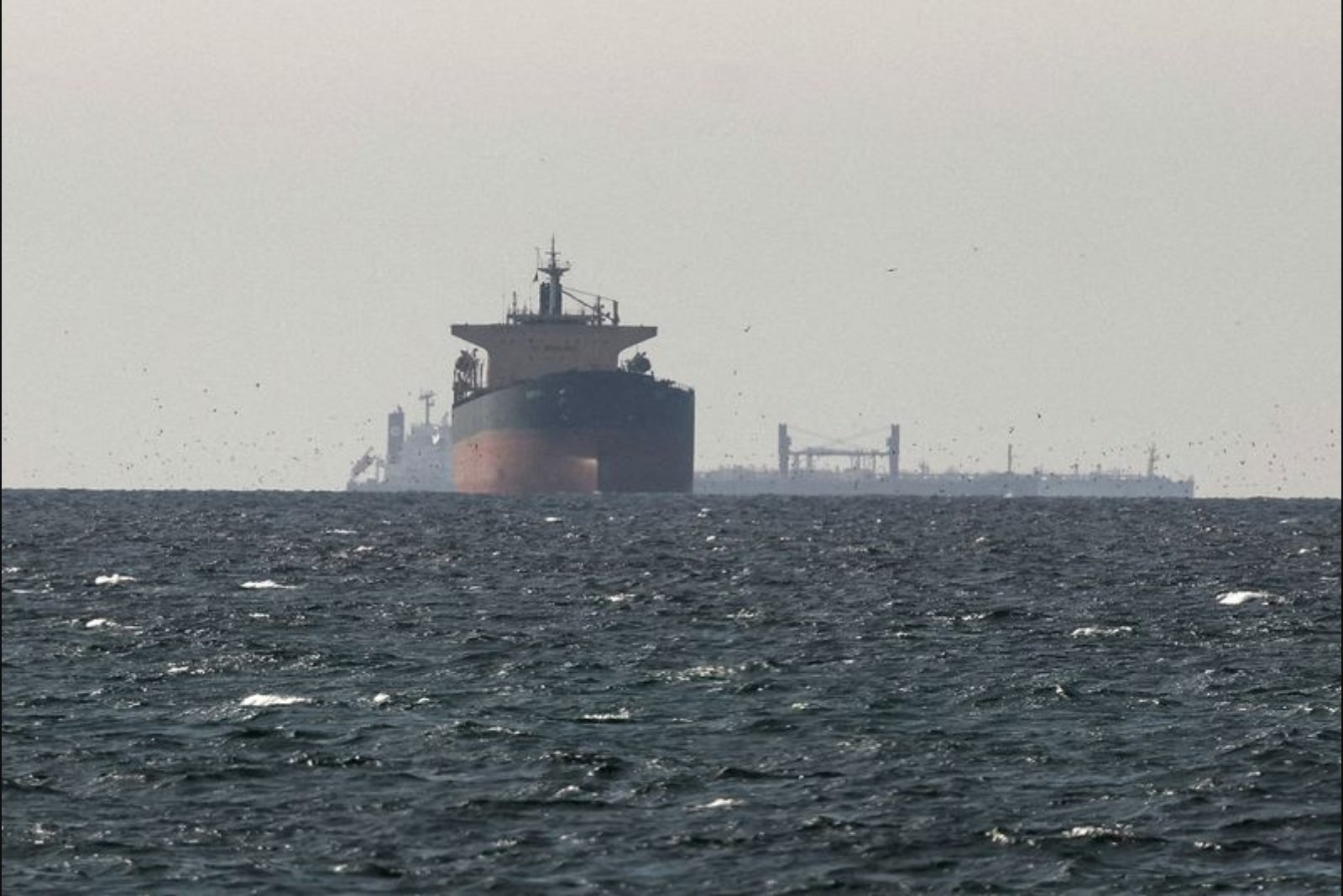
Oil tankers have begun to transit the Strait of Hormuz again, and U.S. officials say Iran's efforts to impede traffic through the strategic waterway have not inflicted harm on the American economy, White House economic adviser Kevin Hassett told CNBC on Tuesday.
Speaking about the situation and the administration's outlook for the conflict, Hassett reiterated the Trump administration view that the fighting should be concluded within weeks, not months. He pointed to fresh movement of vessels as a signal of diminishing Iranian leverage.
"Already you’re seeing tankers are starting to dribble through the straits, and I think it’s a sign of how little Iran has left,"
Hassett said officials are "very optimistic" that the situation will be resolved in the short term, but he cautioned that markets could see transitory price effects once the immediate disruption ends as shipments make their way to refineries.
"We’re very optimistic that this is going to be over in the short run, and then there will be price repercussions when it is over for a few weeks, as the ships make it to the refineries."
Beyond near-term price movements, Hassett raised a supply-chain concern tied to refined product flows. He said there are signs that some Asian suppliers could scale back exports of refined oil to the United States to secure more fuel for domestic needs amid reduced supplies from the Middle East.
"We’re seeing some signs that they might be pulling that back to make sure that they have enough energy for themselves. And we’ve got a plan for that," he said.
In a related diplomatic development, President Trump postponed a planned meeting with Chinese President Xi Jinping to focus on the conflict. Hassett argued that the U.S. response in Iran aligns with Chinese interests around energy-market stability and suggested that the two countries share a common objective on that front.
"This is one case where the objectives of both countries are aligned, that we want, you know, a stable world oil market," he said. "When this war is over, which will be sometime soon, I’m sure they’ll get together and have a lot to talk about, and hopefully when the Chinese will express some gratitude."
The comments blend assessments of current maritime activity with outlooks for market reactions and international coordination. Officials describe both tanker movements and the potential for temporary price impacts as events to watch while plans to address shifting export patterns are implemented.
Context and implications
The administration frames resumed tanker traffic through the Strait of Hormuz as an early indicator of easing pressure on supply routes. It also signals continued attention to cross-border refined product flows, refinery delivery timing, and alignment with international partners concerned about oil-market stability.