
A federal grand jury in Washington, D.C. unsealed a new indictment on Wednesday that adds four terrorism-related counts against a man accused of killing two Israeli diplomats last year. The revised indictment now lists nine charges in total, including hate crime counts that prosecutors had filed earlier.
The U.S. Attorney’s Office for the District of Columbia said several of the allegations carry the maximum penalties of death or life imprisonment. "These additional terrorism-related charges carry a mandatory life sentence under D.C. Code, while also reflecting the reality that this act was in fact an act of terror," U.S. Attorney Jeanine Ferris Pirro said in a statement.
Prosecutors identify the accused as Elias Rodriguez, 31. They say he opened fire on people leaving an event hosted by the American Jewish Committee, an advocacy group for fighting antisemitism and supporting Israel. The event was described as a gathering for young professionals and diplomats.
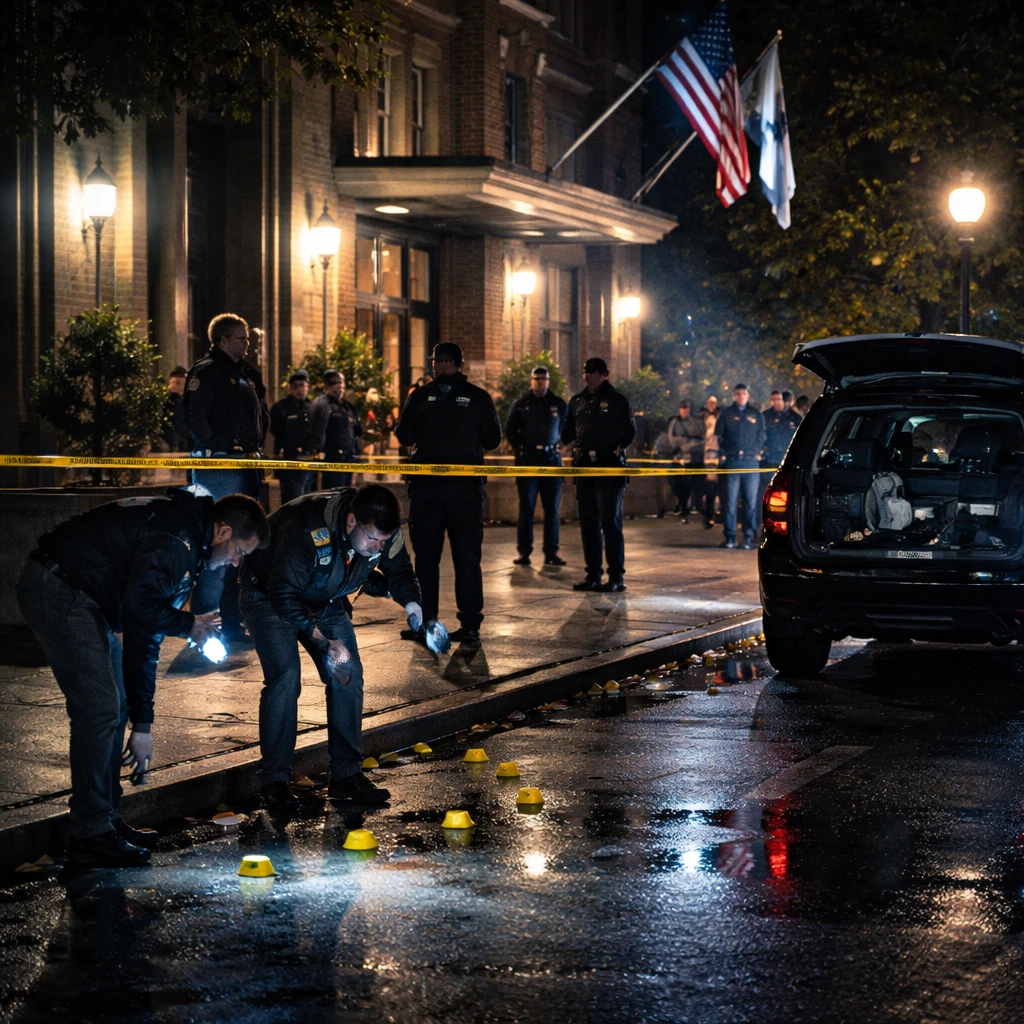
According to charging documents and statements from law enforcement, Rodriguez fired about 20 shots from a semi-automatic handgun and called out the phrase "Free Palestine" during the attack. The shooting resulted in the deaths of two embassy staff members: Yaron Lischinsky, 30, and Sarah Lynn Milgrim, 26. Both worked for Israel’s Embassy in Washington.
FBI officials described additional elements of the case in public statements. Darren B. Cox, assistant director in charge of the FBI’s Washington Field Office, said Rodriguez authored and published a manifesto that prosecutors view as an attempt to "morally justify his actions" and to inspire others to carry out political violence.
Lawyers for Rodriguez did not immediately respond to requests for comment, according to prosecutors.
Context noted by authorities places the shooting amid heightened polarization in the United States related to the war in Gaza. The incident prompted widespread condemnation from leaders around the world and came during a period that also featured student protests. Prosecutors and law enforcement have linked the accused's statements and the published manifesto to the alleged motive behind the attack.
The indictment and statements from federal prosecutors and the FBI outline the charges and the alleged intent, but they do not determine guilt. The legal process will proceed through court filings and hearings as required by law.
The indictment’s expansion to include terrorism-specific counts elevates the statutory penalties the defendant faces and frames the alleged offense within the scope of terrorism statutes in D.C. code, according to the U.S. Attorney’s Office. The case remains under active investigation and will move through the federal criminal justice system.