
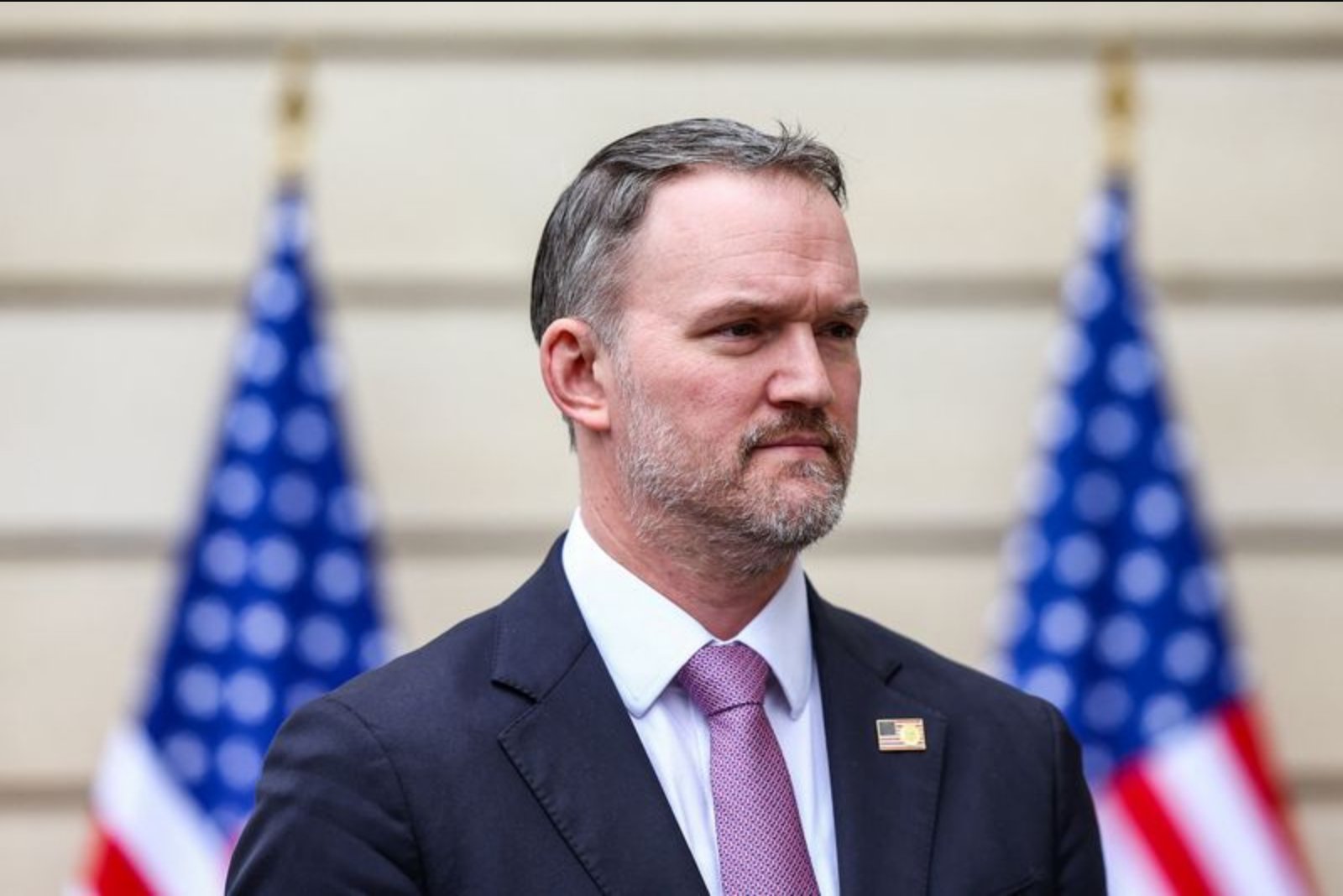
WASHINGTON, March 30 - U.S. Trade Representative Jamieson Greer said on Monday that the World Trade Organization will play only a limited role in future global trade policy after a ministerial meeting in Cameroon ended without agreement.
Greer issued a statement nearly 24 hours after the conference failed to reach a consensus when an extension of the e-commerce moratorium was blocked by Brazil and Turkey. He said he was "disappointed at the lack of seriousness" displayed by numerous WTO member countries toward adopting a broadly acceptable reform agenda.
In his remarks, Greer reiterated a longstanding skepticism about the WTO's value, saying that "I have always been skeptical of the value of the WTO, and this week’s conference confirmed that this organization will play only a limited role in future global trade policy efforts."
Greer also addressed the collapse of a long-standing pause on tariffs for digital transmissions, noting his disappointment that the moratorium, which had been routinely extended for 28 years, had to lapse. He said the United States has nonetheless secured commitments from multiple countries - described as dozens - and "nearly all of our major trading partners" not to impose tariffs on U.S. digital transmissions.
Greer added that if the WTO cannot deliver on what he called this commonsense objective, "the United States will work outside of the WTO with all interested partners to get it done."
The statement noted Greer’s role in shaping U.S. trade policy, describing him as the architect of President Donald Trump’s multi-front tariff assault on global trading partners.
Context and next steps
- Greer announced plans to seek alternative arrangements with like-minded countries to pursue trade goals beyond the WTO framework.
- The immediate focus cited in his statement is preventing tariffs on digital transmissions, relying on bilateral or plurilateral commitments where possible.
The comments close a chapter on the Cameroon meeting without a negotiated extension of the e-commerce moratorium, and signal a U.S. intention to move forward with partners outside the formal WTO process when consensus cannot be reached.