
Dozens of United States-based international law experts have publicly signaled that recent U.S. military actions and statements regarding Iran may amount to violations of international humanitarian and human rights law, potentially rising to the level of war crimes. The experts - more than 100 in total and affiliated with prominent academic institutions - released an open letter raising those concerns.
The letter, posted on the Just Security policy journal website, points to a cluster of remarks and actions by senior U.S. officials. It highlights a mid-March comment by President Trump that the U.S. might carry out strikes on Iran "just for fun," and cites an early-March statement by Pentagon chief Pete Hegseth saying the U.S. does not fight with "stupid rules of engagement." The signatories argue that such language, alongside the conduct of U.S. forces, "raise serious concerns about violations of international human rights law and international humanitarian law, including potential war crimes."
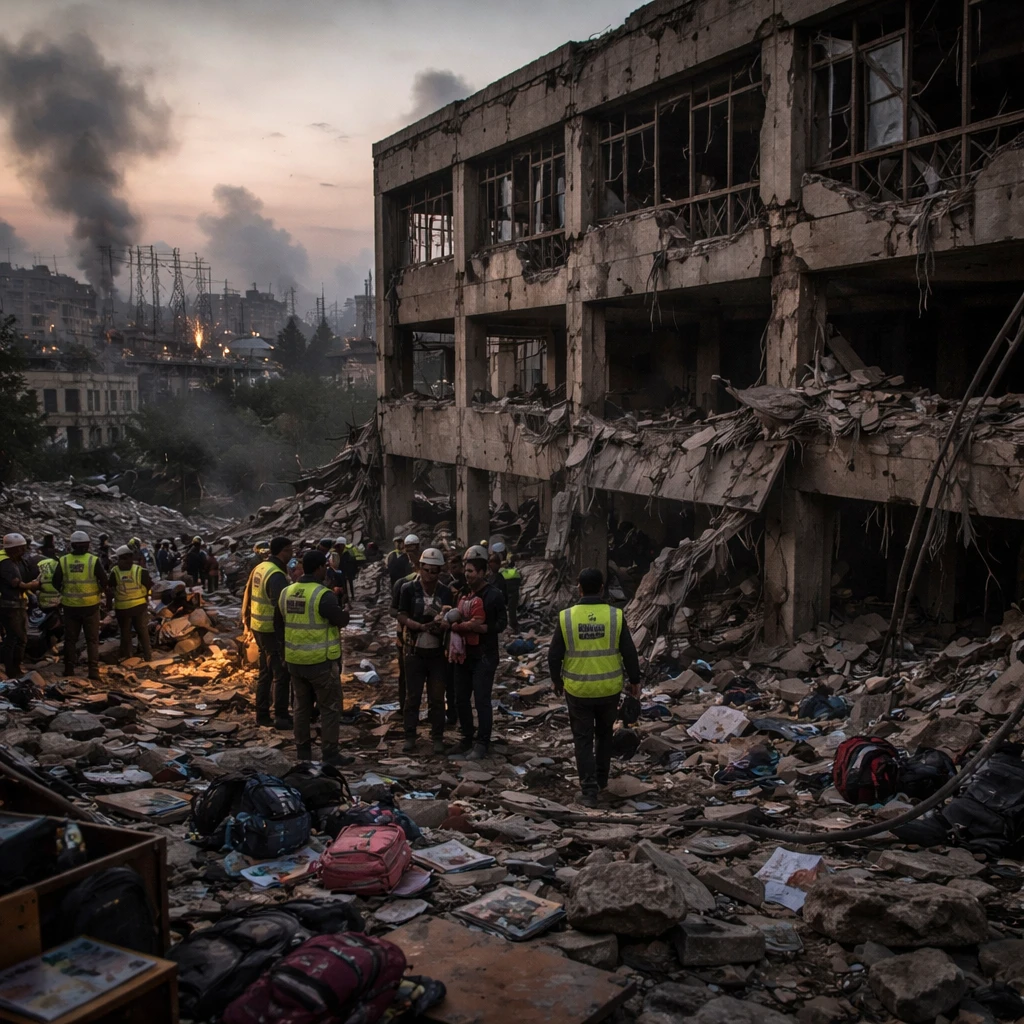
Those concerns are tied to specific strikes that have struck civilian infrastructure. The experts said they were "seriously concerned about strikes that have hit schools, health facilities, and homes," and they singled out a strike on a school in Iran that occurred on the conflict's first day.
U.S. military officials said in March they had elevated the inquiry into the Feb. 28 strike on an Iranian girls' school after media reports indicated the investigation showed U.S. forces were likely responsible. The Iranian Red Crescent reported that 175 people were killed in that strike.
President Trump reiterated aggressive threats in a televised address this week, warning that the United States could press strikes against Iranian energy, power and desalination plants if Iran did not comply with U.S. demands. He said the war could escalate and that the U.S. might "hit them extremely hard over the next two to three weeks," adding the intention to "bring them back to the Stone Ages, where they belong."
Advocacy groups have reacted to that rhetoric. A leading U.S. Muslim advocacy organization characterized the president's comments during the conflict, including the "bring them back to the Stone Ages" remark, as "dehumanizing."
The conflict began on Feb. 28 when U.S. and Israeli forces attacked Iran. Tehran responded with its own strikes on Israel and on Gulf states hosting U.S. bases. The ensuing campaign, which has included joint U.S.-Israeli strikes in Iran as well as Israeli operations in Lebanon, has resulted in thousands of deaths and displaced millions.
For logistics and infrastructure observers, the targeted and threatened strikes on energy and oil facilities, as well as critical public services such as power and desalination plants, carry direct implications for utilities and supply chains in the region. Damage to such systems can rapidly affect civilian populations and regional commerce, while legal scrutiny and allegations of unlawful conduct introduce additional operational and reputational risk for military and civilian actors involved.
Key points
- Over 100 U.S.-based international law experts have signed a public letter warning that U.S. actions and statements concerning Iran raise concerns of international law violations and potential war crimes.
- Officials' comments cited in the letter include a mid-March remark by President Trump about strikes "just for fun" and a Pentagon chief's comment rejecting "stupid rules of engagement."
- Strikes that hit civilian targets - including a Feb. 28 strike on an Iranian girls' school that the Iranian Red Crescent says killed 175 people - have prompted an elevated U.S. investigation and heightened scrutiny of wartime conduct. Sectors affected include energy, utilities, and humanitarian services.
Risks and uncertainties
- Legal exposure and accountability: Allegations of war crimes and potential findings from ongoing investigations could lead to legal and diplomatic consequences for actors involved.
- Escalation of conflict: Threats to strike energy and water infrastructure create uncertainty for regional stability and can disrupt utility-dependent supply chains and markets in the energy sector.
- Civilian harm and displacement: Continued strikes on schools, health facilities, and homes increase humanitarian needs and strain relief operations and regional logistics networks.